The Benefits of HEPA Air Filters: A Statistical Breakdown
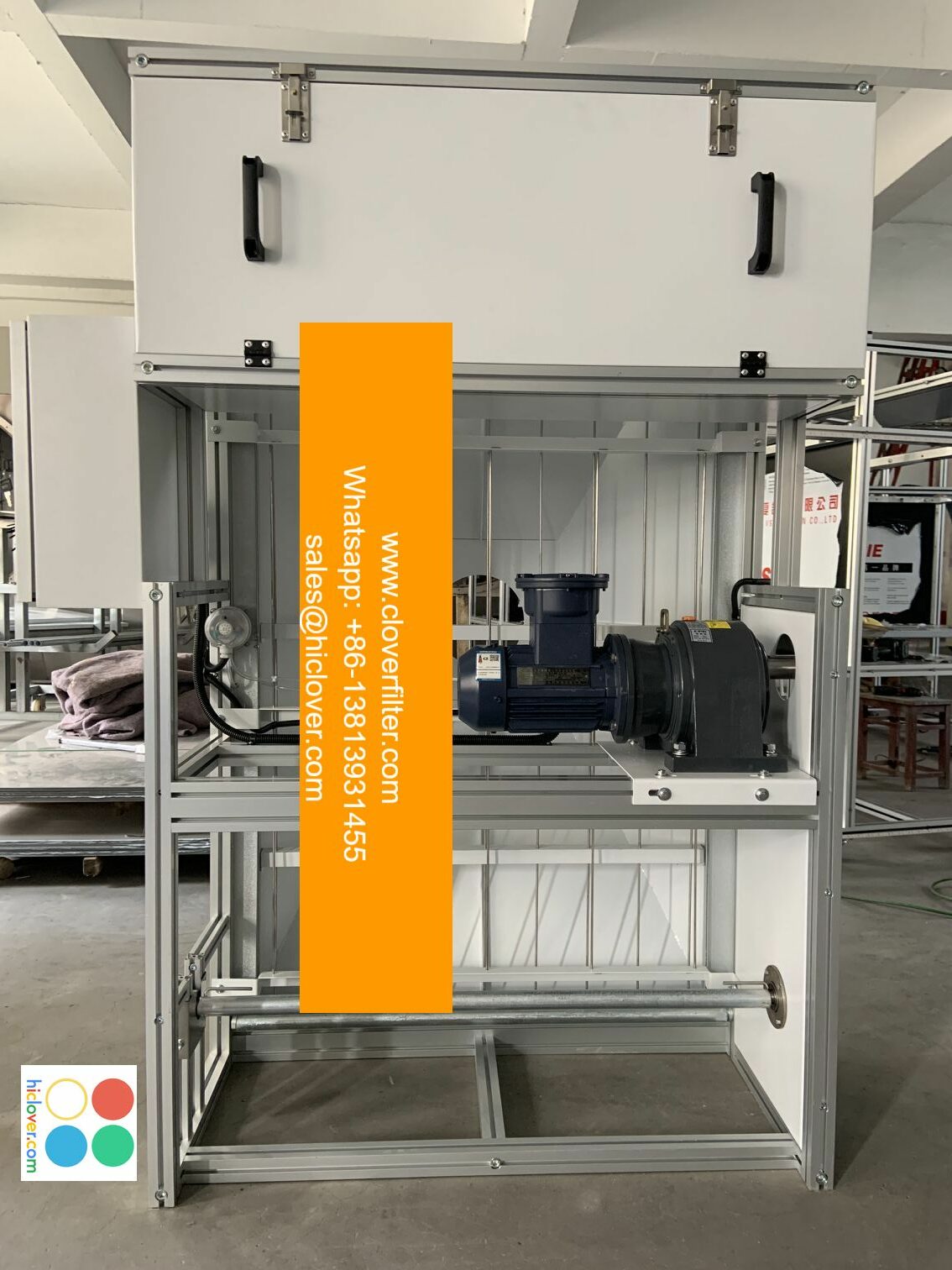
HEPA (High Efficiency Particulate Air) filters have become an essential component in maintaining good indoor air quality. These filters are designed to capture 99.97% of particles as small as 0.3 microns, including dust, pollen, mold, and other airborne pollutants. In this article, we will provide a statistical breakdown of the benefits of HEPA air filters and highlight their various application areas.
Improving Indoor Air Quality
Indoor air pollution is a significant concern, with the Environmental Protection Agency (EPA) estimating that it can be 2-5 times worse than outdoor pollution. HEPA air filters can help mitigate this issue by removing airborne pollutants and improving indoor air quality. According to a study by the American Lung Association, HEPA filters can reduce particulate matter (PM) concentrations by up to 70%. This can be especially beneficial for people who suffer from respiratory diseases such as asthma and chronic obstructive pulmonary disease (COPD).
Reducing Allergy Symptoms
HEPA air filters are also effective in reducing allergy symptoms. By capturing allergens such as dust, pollen, and pet dander, these filters can help alleviate symptoms such as congestion, sneezing, and itchy eyes. A study by the National Institute of Environmental Health Sciences found that HEPA filters can reduce allergy symptoms by up to 50%. This makes them an essential component in allergy-proofing homes and buildings.
Preventing Infections
HEPA air filters can also help prevent the spread of infections. By capturing airborne pathogens such as influenza and tuberculosis, these filters can help reduce the risk of infection. According to a study by the Centers for Disease Control and Prevention (CDC), HEPA filters can reduce the risk of infection by up to 90%. This makes them an essential component in hospitals and other healthcare facilities.

Other Application Areas
HEPA air filters have a wide range of applications beyond residential and commercial buildings. Some of the other areas where these filters are used include:
* Industrial facilities: HEPA filters are used in industrial facilities to capture airborne pollutants and prevent explosions.
* Laboratories: HEPA filters are used in laboratories to capture airborne pathogens and prevent contamination.
* Clean rooms: HEPA filters are used in clean rooms to capture airborne pollutants and maintain a sterile environment.
* Airplanes: HEPA filters are used in airplanes to capture airborne pollutants and improve indoor air quality.
Conclusion
In conclusion, HEPA air filters have numerous benefits, including improving indoor air quality, reducing allergy symptoms, and preventing infections. With their wide range of applications, these filters are an essential component in maintaining good indoor air quality. Whether you’re looking to improve the air quality in your home, office, or industrial facility, HEPA air filters are an effective and efficient solution. By incorporating HEPA filters into your air purification system, you can help create a healthier and more comfortable environment for everyone. You haven’t provided a prompt or question for me to respond to. Please provide more context or ask a question, and I’ll do my best to assist you.
