The Benefits of High-Efficiency Air Filters for Cleanrooms
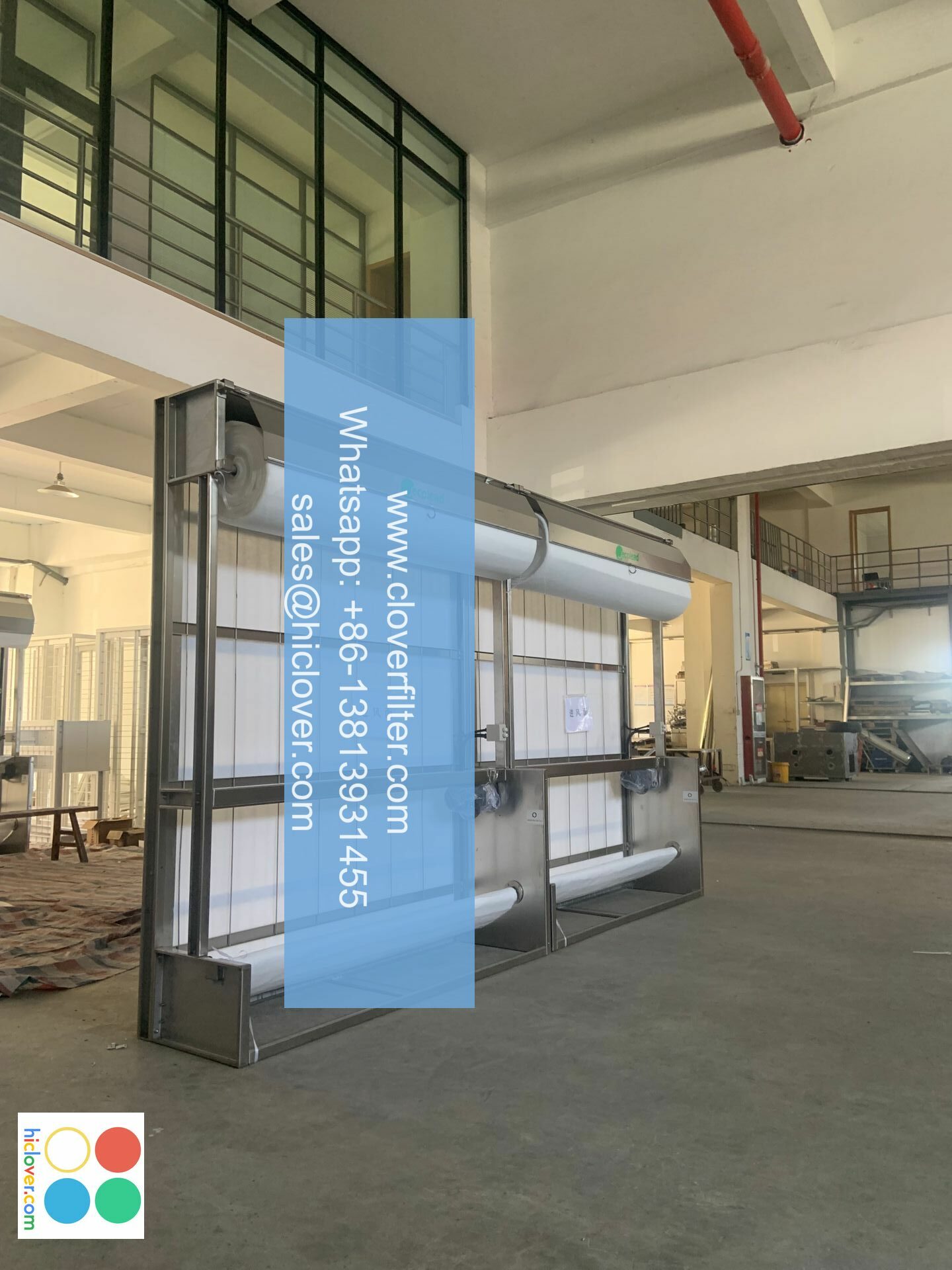
Cleanrooms are controlled environments that require precise temperature, humidity, and air quality conditions to minimize contamination and ensure the quality of products manufactured or researched within them. One of the critical components in maintaining the integrity of cleanrooms is the use of high-efficiency air filters. These filters play a vital role in removing airborne particles, including dust, bacteria, and other contaminants, thereby preserving the clean environment necessary for sensitive applications.
What are High-Efficiency Air Filters?
High-efficiency air filters, often referred to as HEPA (High Efficiency Particulate Air) filters, are designed to capture 99.97% of particles as small as 0.3 microns. This high level of efficiency is crucial for cleanrooms, where even the smallest particles can contaminate products or compromise research. The use of HEPA filters in conjunction with other filtration technologies, such as ULPA (Ultra Low Penetration Air) filters, which can capture particles as small as 0.12 microns, provides an even higher level of air cleanliness.
Benefits for Cleanrooms
The incorporation of high-efficiency air filtration systems in cleanrooms offers several benefits, including:
– Reduced Contamination Risk: By removing nearly all airborne particles, these filters significantly reduce the risk of contamination, which is critical in environments where products or research are highly sensitive to airborne contaminants.
– Improved Product Quality: In manufacturing cleanrooms, high-quality air is essential for producing defect-free products. The use of high-efficiency filters ensures that the air quality remains consistent, thereby improving product quality.
– Enhanced Research Integrity: In research cleanrooms, maintaining a contamination-free environment is vital for the integrity of experiments and data. High-efficiency air filters help in achieving and maintaining this level of cleanliness.
– Compliance with Regulations: Many industries, including pharmaceutical, aerospace, and semiconductor manufacturing, are subject to strict regulations regarding cleanroom conditions. High-efficiency air filters help facilities comply with these regulations by ensuring that their cleanrooms meet the required standards for air quality.
Application Areas
High-efficiency air filters are beneficial in a variety of cleanroom applications, including:
– Pharmaceutical Manufacturing: To prevent contamination of drugs and ensure compliance with stringent regulatory requirements.
– Semiconductor Manufacturing: Where even the smallest particle can damage sensitive electronics, high-efficiency filters are crucial.
– Biological Research: To maintain the integrity of biological samples and experiments.
– Aerospace and Defense: For the manufacture and assembly of sensitive components and weaponry.
– Medical Device Manufacturing: To ensure the sterility and quality of medical devices.

Conclusion
The use of high-efficiency air filters is a cornerstone of cleanroom technology, providing the high level of air cleanliness required for a variety of sensitive applications. By understanding the benefits and applications of these filters, facilities can ensure that their cleanrooms operate at the highest levels of efficiency and quality, ultimately leading to better product integrity, research outcomes, and compliance with regulatory standards. As technology continues to evolve, the importance of high-efficiency air filtration systems in cleanrooms will only continue to grow, highlighting the need for ongoing innovation and investment in this critical area of cleanroom design and operation. It seems like you’re ready to start a conversation or ask a question, but you haven’t provided a specific prompt yet. Could you please provide more details or clarify what you’re looking for? I’m here to help with any questions or topics you’d like to discuss!
