The Benefits of High-Efficiency Air Filters for Pharmaceutical Facilities
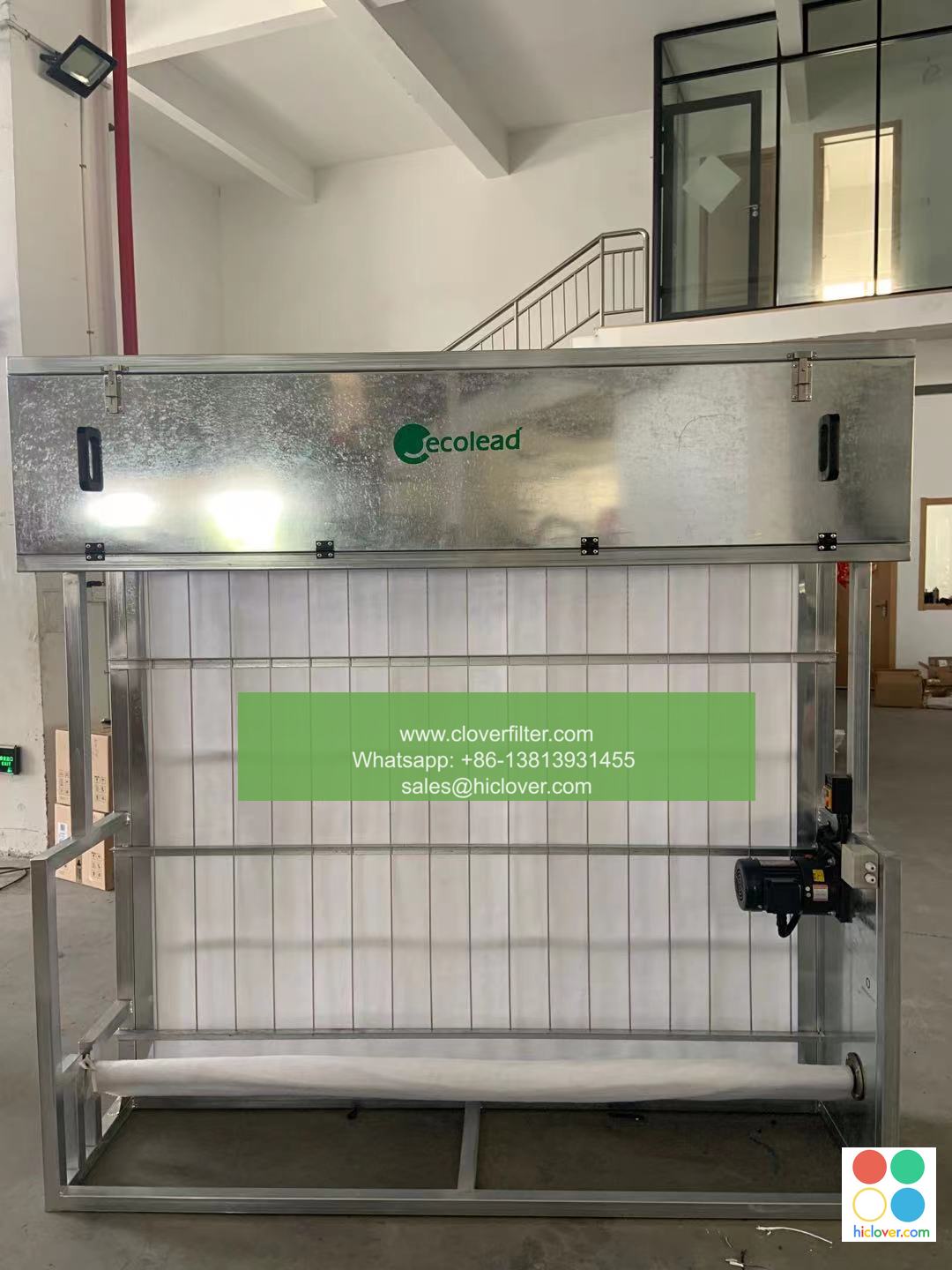
Pharmaceutical facilities are highly regulated environments that demand the highest standards of cleanliness and purity to ensure the quality of medicinal products. One crucial aspect of maintaining a contamination-free environment is the use of high-efficiency air filters. These filters play a vital role in removing airborne contaminants, such as particles, bacteria, and viruses, that can compromise the integrity of pharmaceutical products. In this article, we will explore the benefits of high-efficiency air filters for pharmaceutical facilities, highlighting various application areas and cleanroom technology.
##
Improved Indoor Air Quality (IAQ) and Reduced Contamination Risk
High-efficiency air filters are designed to capture sub-micron particles, including dust, pollen, and other airborne contaminants that can contaminate pharmaceutical products. By removing these particles, high-efficiency air filters help maintain a sterile environment and reduce the risk of contamination. This is particularly important in pharmaceutical facilities where the production of parenteral products, such as vaccines and injectables, requires a highly controlled environment.
##
Compliance with Regulatory Standards and Guidelines
Pharmaceutical facilities are subject to strict regulatory standards, including those set by the US FDA, EU GMP, and ISO 14644. High-efficiency air filters can help facilities comply with these standards by providing a validated and qualified filtration system. By installing high-efficiency air filters, pharmaceutical facilities can demonstrate their commitment to maintaining a controlled environment and ensuring the quality of their products.
##
Increased Energy Efficiency and Cost Savings
High-efficiency air filters are designed to be energy-efficient and can help reduce the energy consumption of pharmaceutical facilities. By minimizing the amount of energy required to heat, cool, and ventilate the facility, high-efficiency air filters can lead to significant cost savings. Additionally, the longer lifespan of high-efficiency air filters reduces the need for frequent replacements, resulting in lower maintenance costs and minimizing downtime.
##
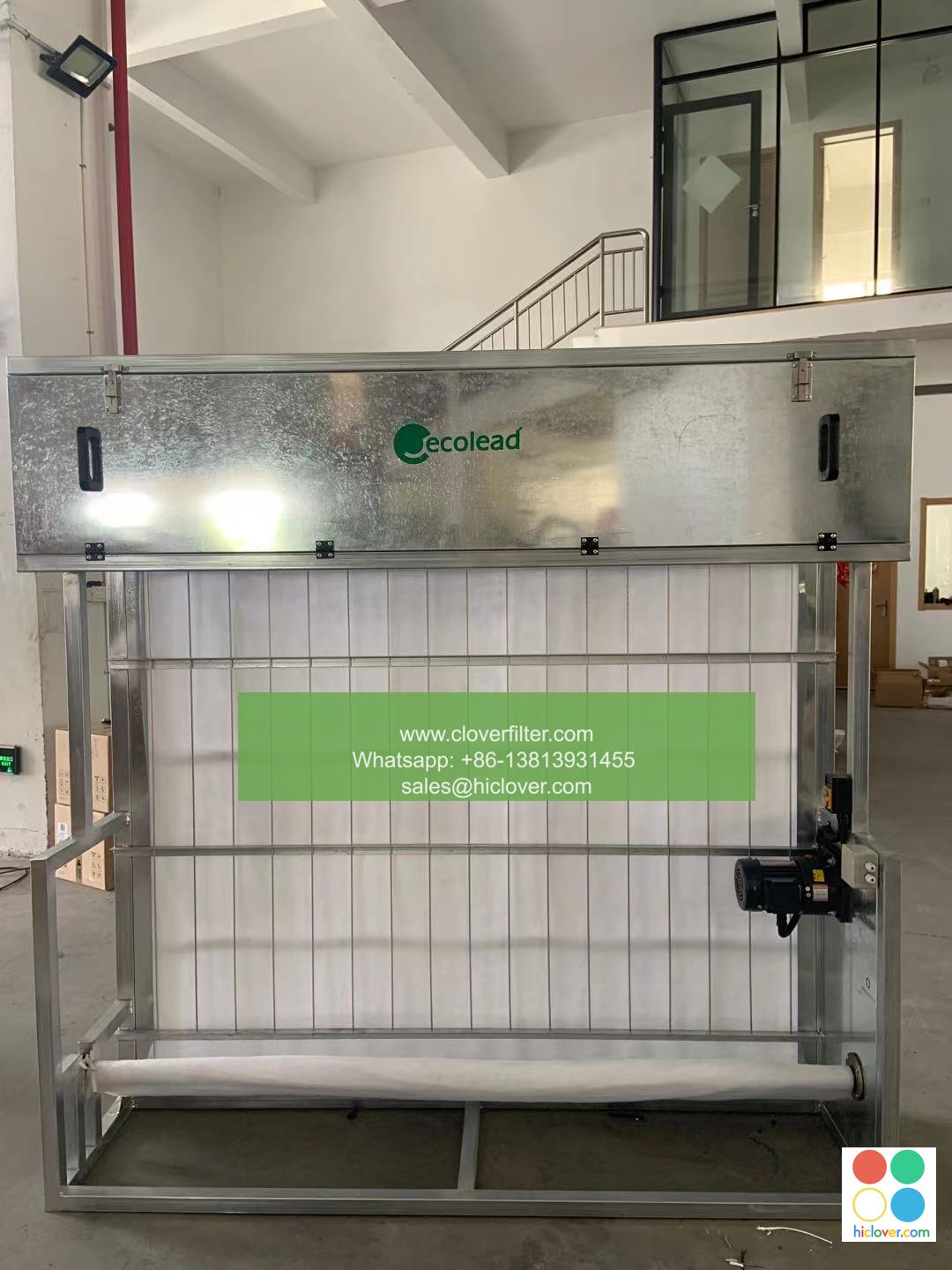
Application Areas and Industries
High-efficiency air filters have a wide range of applications in various industries, including:
* Pharmaceutical manufacturing: High-efficiency air filters are used to maintain a sterile environment and prevent contamination in facilities that produce parenteral products, such as vaccines and injectables.
* Biotechnology: High-efficiency air filters are used to control the environment in biotechnology facilities, including those involved in the production of biologics and cell therapy products.
* Hospital and healthcare: High-efficiency air filters are used to maintain a healthy indoor environment and prevent the spread of hospital-acquired infections (HAIs) in healthcare facilities.
* Medical device manufacturing: High-efficiency air filters are used to control the environment in facilities that produce medical devices, such as implants and surgical instruments.
##
Conclusion
In conclusion, high-efficiency air filters are a crucial component of pharmaceutical facilities, providing a clean and controlled environment that is essential for maintaining the quality of medicinal products. By improving indoor air quality, reducing contamination risk, and increasing energy efficiency, high-efficiency air filters can help pharmaceutical facilities comply with regulatory standards and guidelines, while also reducing costs and minimizing downtime. As the pharmaceutical industry continues to evolve, the importance of high-efficiency air filters will only continue to grow, highlighting the need for advanced cleanroom technology and efficient filtration systems. It looks like you didn’t include a prompt! Please go ahead and ask me a question, provide a topic you’d like to discuss, or give me a prompt to respond to. I’m here to help!
