The Benefits of Implementing Roll Filtration in Cement Manufacturing
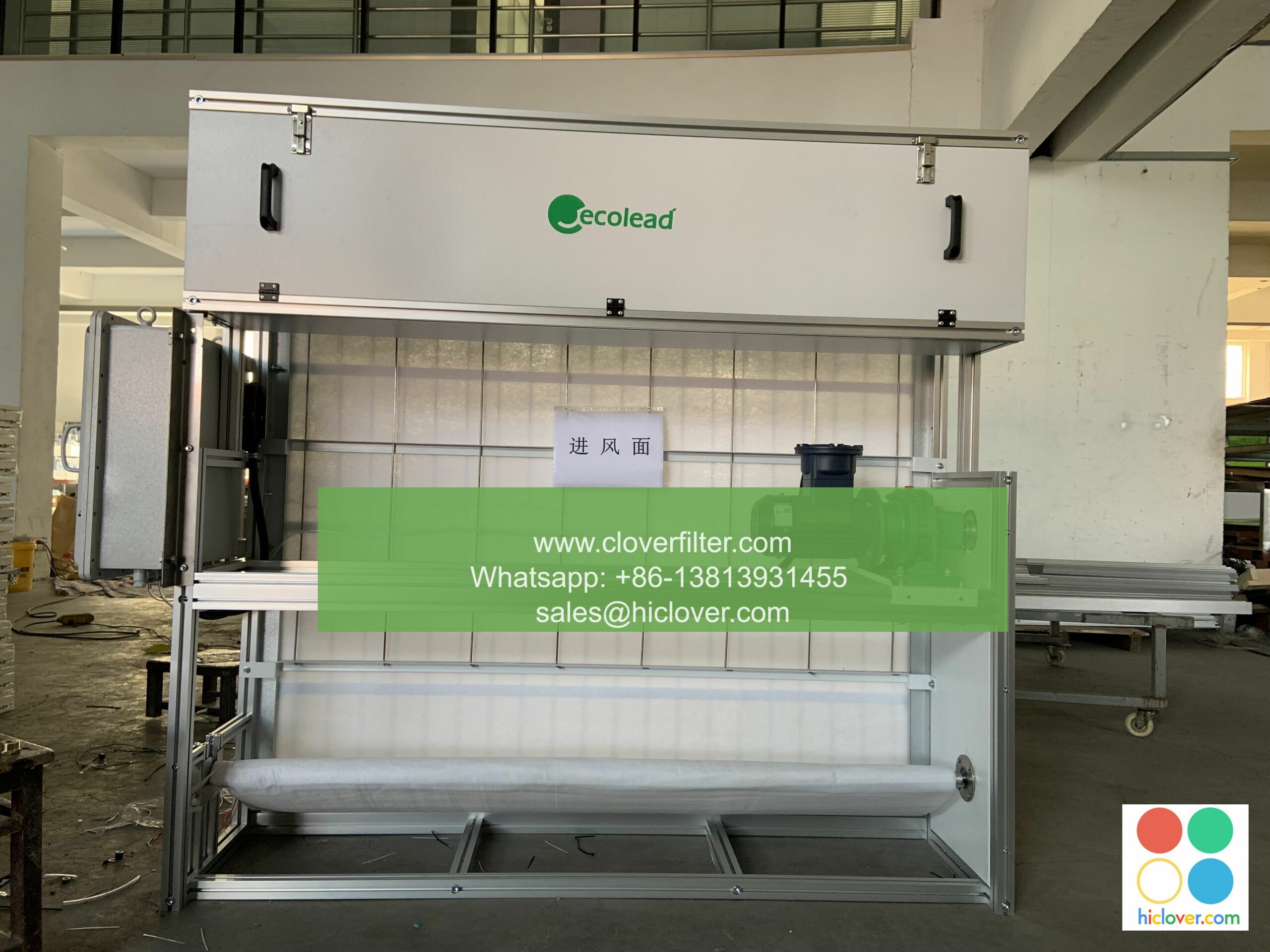
Cement manufacturing is a complex and energy-intensive process that requires high-quality inputs and efficient management of resources. One crucial aspect of this process is the filtration of materials, where roll filtration technology has emerged as a significant improvement. In this article, we will explore the benefits of implementing roll filtration in cement manufacturing, highlighting its various application areas and how it can enhance operational efficiency.
What is Roll Filtration?
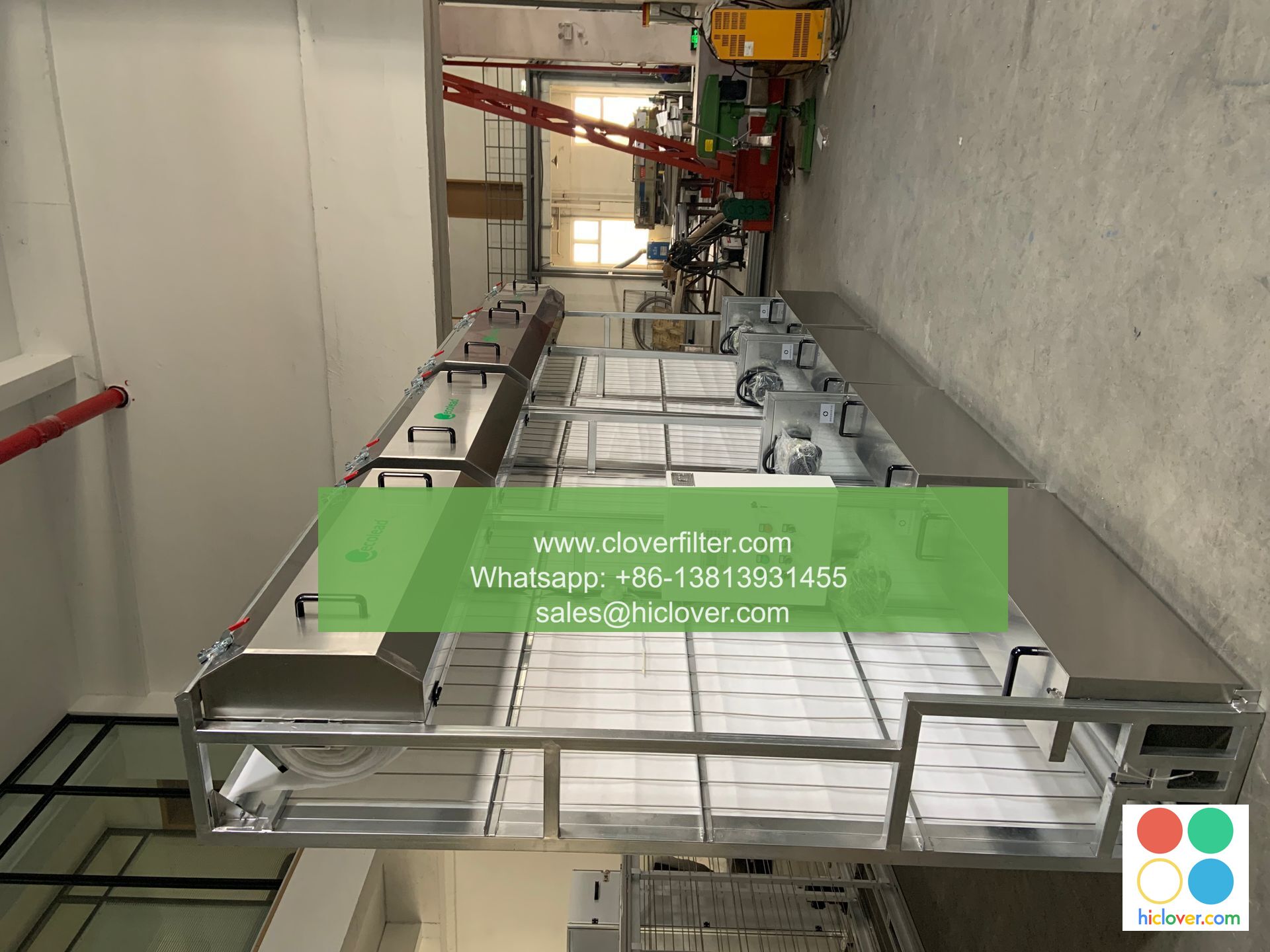
Roll filtration is a process that uses a series of rollers to achieve finer separation of particles from liquids or slurries. This technology is particularly useful in the cement industry for filtering raw materials like limestone, clay, or waste products that can influence the quality of the final product. Roll filter systems are designed to maximize throughput while reducing energy consumption, thereby enhancing sustainability.
Key Benefits of Roll Filtration in Cement Manufacturing
1. Improved Product Quality
One of the primary benefits of roll filtration is the improvement in the quality of cement produced. By effectively removing impurities and large particles from raw materials, manufacturers can ensure a uniform and consistent mixture. This results in higher strength and durability in the final cement product, leading to better performance in construction applications.
2. Enhanced Operational Efficiency
Roll filtration systems can significantly increase operational efficiency in cement manufacturing. These systems are designed for continuous operation and can handle varying flow rates without compromising performance. As a result, manufacturers experience reduced downtime and lower maintenance costs, translating into increased overall productivity.

3. Waste Reduction and Recycling
Implementing roll filtration technology helps in efficient waste management by filtering out non-useful materials. In the cement industry, this means that manufacturers can recycle materials that would otherwise be discarded. Raw materials like fly ash or slag can be reused, reducing the environmental footprint of cement production and contributing to a more sustainable process.
4. Energy Savings
Energy costs are a significant component of cement production. Roll filtration systems are known for their low energy consumption compared to traditional filtration methods. This not only reduces operational costs but also aligns with the industry’s growing emphasis on sustainability. Lower energy use means reduced greenhouse gas emissions, contributing to a cleaner environment.
5. Versatility in Applications
Roll filtration technology can be utilized in various stages of the cement manufacturing process. Here are a few application areas where roll filtration can make a significant impact:
-
Raw Material Processing: In the initial stages, roll filtration is beneficial in separating unwanted materials from raw inputs, ensuring only the best quality materials are used.
-
Waste Management: During the production process, roll filtration can be used to filter out waste materials from liquid slurry, allowing for better recovery and reuse.
-
Water Management: Roll filtration systems can also play a role in treating process water, making it suitable for reuse within the plant.
Conclusion
The implementation of roll filtration in cement manufacturing carries a multitude of benefits that can transform operations for the better. From improving product quality to enhancing operational efficiency and promoting sustainability, roll filtration technology offers a comprehensive solution to many challenges faced in the cement industry today. By focusing on innovation and efficiency, cement manufacturers can meet the growing demands for quality, sustainability, and cost-effectiveness in a competitive market.
Keywords to Explore Further
- Cement manufacturing processes
- Roll filtration technology
- Waste management in cement
- Energy-efficient cement production
- Product quality in construction materials
The adoption of roll filtration represents a forward-thinking approach to cement manufacturing, ensuring both profitability and environmental responsibility. As the industry evolves, technologies like these will be essential to meeting the challenges of modern construction needs.
It seems like you might be looking to start a conversation or explore a specific topic. Could you please provide more context or clarify what you’re interested in discussing or learning about?
