The Benefits of Low Air Filter Pressure Drop in Residential Buildings
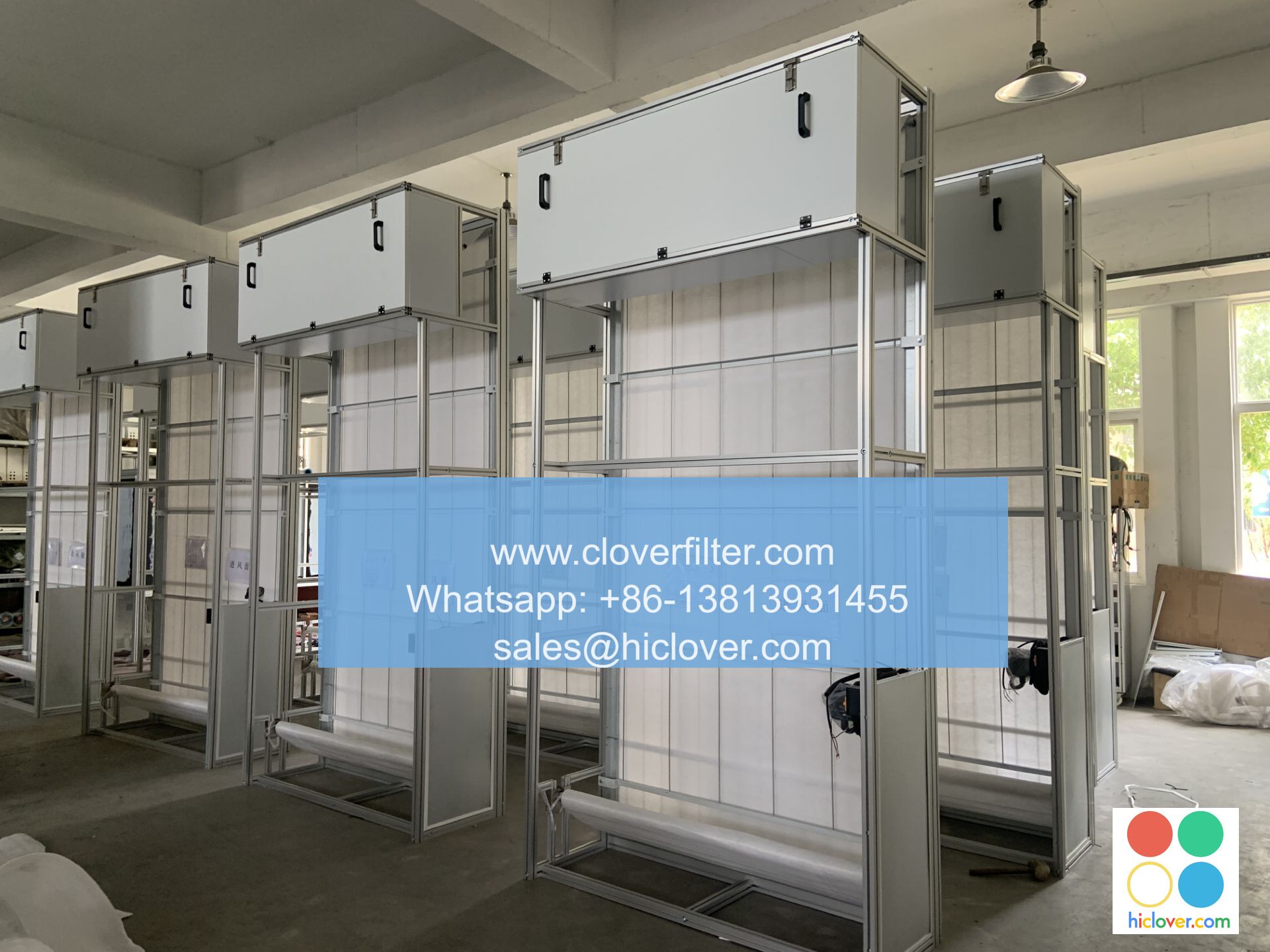
Residential buildings are where people spend a significant amount of their time, and maintaining good indoor air quality (IAQ) is crucial for the health and well-being of occupants. One key aspect of achieving good IAQ is the use of air filters with low air filter pressure drop. In this article, we will explore the benefits of low air filter pressure drop in residential buildings, highlighting various application areas, such as heating, ventilation, and air conditioning (HVAC) systems, indoor air quality (IAQ) improvement, and energy efficiency optimization.
What is Air Filter Pressure Drop?
Air filter pressure drop refers to the difference in pressure between the upstream and downstream sides of an air filter. It is an important factor in the design and operation of air filtration systems, as it affects the overall performance and efficiency of the system. A low air filter pressure drop is desirable, as it reduces the energy required to move air through the filter, resulting in lower energy costs and increased system lifespan.
Benefits of Low Air Filter Pressure Drop
The benefits of low air filter pressure drop in residential buildings are numerous and varied. Some of the key advantages include:
* Improved Indoor Air Quality (IAQ): Low air filter pressure drop allows for more efficient removal of airborne pollutants, such as particulate matter (PM), nitrogen dioxide (NO2), and volatile organic compounds (VOCs), resulting in better IAQ and a healthier indoor environment.
* Increased Energy Efficiency: By reducing the energy required to move air through the filter, low air filter pressure drop can help to lower energy consumption and reduce greenhouse gas emissions.
* Extended Filter Life: Low air filter pressure drop can help to reduce filter maintenance costs and extend filter lifespan, as the filter is subject to less stress and wear.
* Improved HVAC System Performance: Low air filter pressure drop can help to optimize HVAC system performance, reducing the risk of system downtime and increasing overall system reliability.
Application Areas
Low air filter pressure drop has various application areas in residential buildings, including:
* Residential HVAC Systems: Low air filter pressure drop is essential for efficient HVAC system operation, as it reduces the energy required to heat, cool, and ventilate the building.
* Indoor Air Quality Improvement: Low air filter pressure drop is critical for effective removal of airborne pollutants, resulting in better IAQ and a healthier indoor environment.
* Energy Efficiency Optimization: Low air filter pressure drop can help to reduce energy consumption and lower energy costs, making it an essential consideration for energy-efficient building design.

Conclusion
In conclusion, low air filter pressure drop is a critical factor in maintaining good indoor air quality and optimizing energy efficiency in residential buildings. By understanding the benefits of low air filter pressure drop and its various application areas, building owners and operators can make informed decisions about air filtration system design and operation, resulting in a healthier, more comfortable, and more sustainable indoor environment. As we continue to prioritize indoor air quality improvement and energy efficiency optimization, the importance of low air filter pressure drop will only continue to grow. It seems like you forgot to include a prompt for me to respond to. Could you please provide more details or specify what you would like to talk about or ask? I’m here to help with any questions or topics you’re interested in!
