The Benefits of Smart Air Filter Systems for Your Home

In today’s world, where indoor air quality and home air purification have become major concerns, smart air filter systems have emerged as a game-changer. These innovative systems not only improve the air quality inside your home but also provide a range of benefits that can enhance your overall health and wellbeing. In this article, we will delve into the advantages of smart air filter systems and explore their various application areas.
Improved Indoor Air Quality
One of the primary benefits of smart air filter systems is their ability to significantly improve indoor air quality. These systems use advanced air filtration technologies, such as HEPA filters and activated carbon filters, to remove air pollutants, allergens, and volatile organic compounds (VOCs) from the air. By doing so, they create a healthier indoor environment that is free from airborne contaminants.
Enhanced Health Benefits
Smart air filter systems can have a positive impact on your physical and mental health. By removing air pollutants and allergens from the air, these systems can help alleviate respiratory issues, such as asthma and allergies. Additionally, they can also help reduce stress and anxiety by creating a clean and comfortable indoor environment.
Increased Energy Efficiency
Smart air filter systems are designed to be energy-efficient and can help reduce your energy consumption. These systems use advanced sensors and algorithms to monitor and adjust the air filtration process in real-time, ensuring that the system is only working as hard as it needs to. This can lead to significant energy savings and a reduction in your carbon footprint.
Various Application Areas
Smart air filter systems have a range of application areas, including:
* Residential buildings: Smart air filter systems are perfect for homes, apartments, and condos, where they can help improve indoor air quality and create a healthier living environment.
* Commercial buildings: These systems are also ideal for offices, schools, and hospitals, where they can help improve indoor air quality and reduce the risk of airborne illnesses.
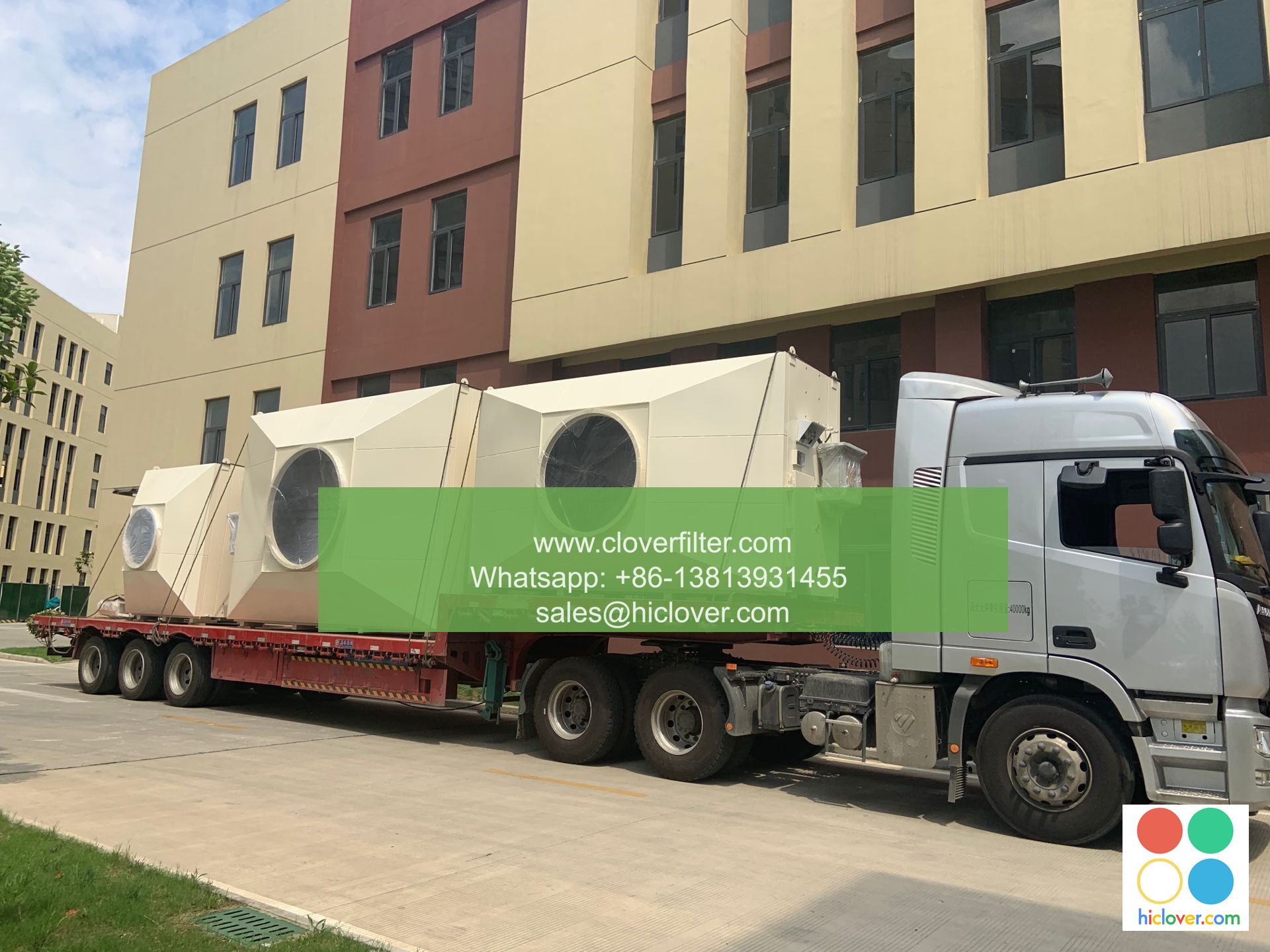
* Industrial settings: Smart air filter systems can be used in industrial settings, such as factories and warehouses, to remove air pollutants and hazardous materials from the air.
Smart Features and Technologies
Smart air filter systems come with a range of smart features and technologies, including:
* Wi-Fi connectivity: Allows you to monitor and control the system remotely using your smartphone or tablet.
* Real-time monitoring: Provides real-time updates on indoor air quality and system performance.
* Automated maintenance alerts: Sends alerts when the system needs maintenance or replacement.
* Integration with smart home systems: Allows you to integrate the system with your existing smart home devices.
In conclusion, smart air filter systems offer a range of benefits that can enhance your health and wellbeing, improve indoor air quality, and increase energy efficiency. With their various application areas and smart features and technologies, these systems are a valuable addition to any home or building. By investing in a smart air filter system, you can create a healthier and more comfortable indoor environment that benefits you and your loved ones. It looks like you’re ready to get started, but I don’t see a specific prompt or question. Could you please provide more context or clarify what you’d like to talk about? I’m here to help with any questions or topics you’d like to discuss!
