The Benefits of Smart Air Filters for Energy Efficiency

Introduction
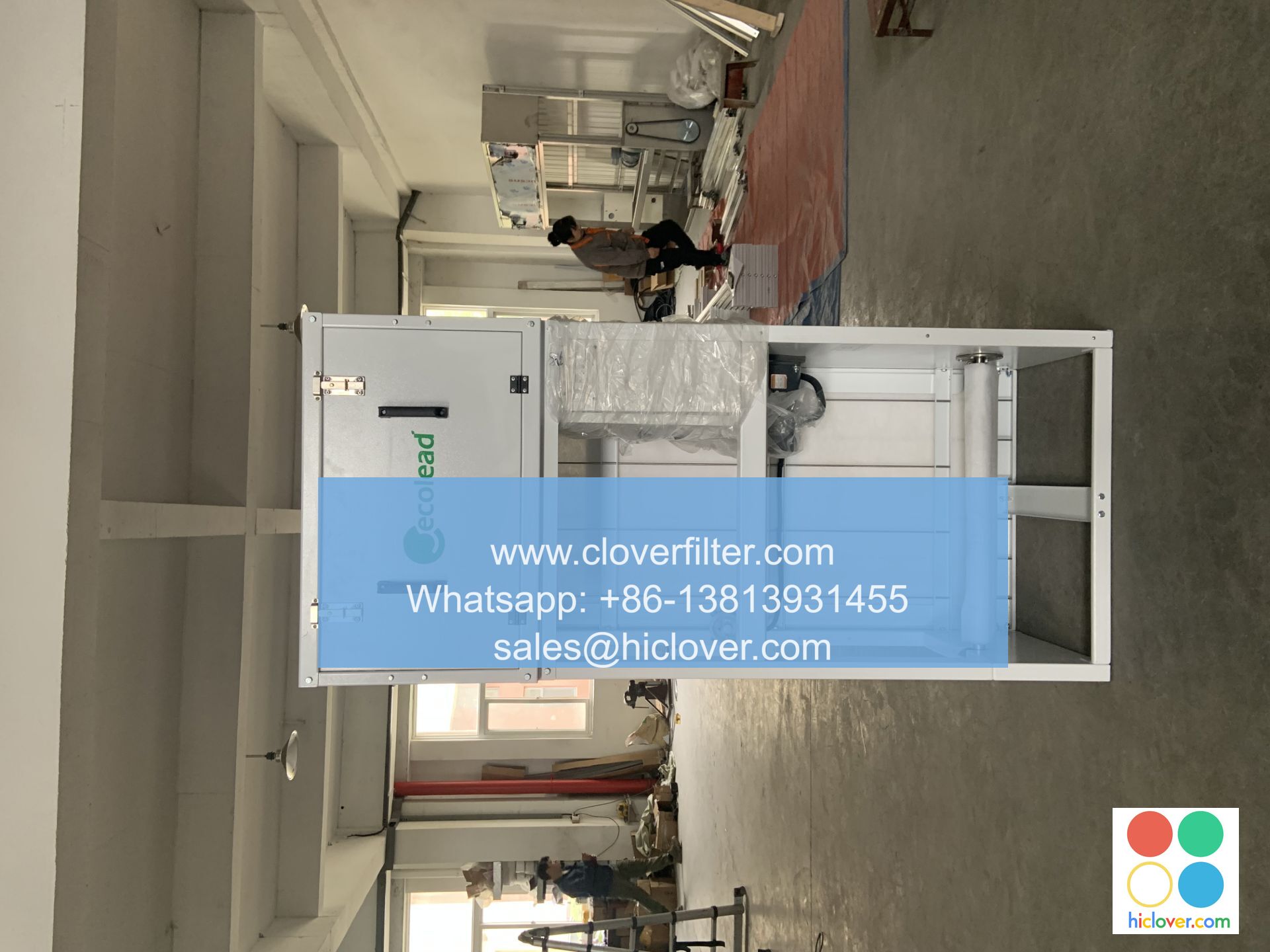
As the world grapples with the challenges of climate change and energy conservation, the importance of energy efficiency cannot be overstated. One often-overlooked aspect of energy efficiency is the humble air filter. Traditional air filters can waste energy and resources, but smart air filters are changing the game. In this article, we’ll explore the benefits of smart air filters for energy efficiency and highlight their applications.
What are Smart Air Filters?
Smart air filters are advanced air purification systems that use cutting-edge technology to optimize airflow, reduce energy consumption, and minimize waste. These filters use a combination of sensors, algorithms, and machine learning to detect and adapt to changing air conditions, ensuring optimal performance while minimizing energy usage. They can be installed in various settings, including residential, commercial, and industrial spaces.

Benefits of Smart Air Filters for Energy Efficiency
- Energy Savings: Smart air filters can reduce energy consumption by up to 50% by optimizing airflow and minimizing the need for excessive energy to power air circulation systems.
- Improved Indoor Air Quality: Smart air filters can detect and remove pollutants, allergens, and particulate matter, improving the air quality and creating a healthier indoor environment.
- Enhanced Performance: Smart air filters can adapt to changing air conditions, ensuring optimal airflow and performance, even in the most demanding environments.
- Reduced Maintenance: Smart air filters can detect when they need to be replaced, minimizing downtime and the need for costly maintenance.
- Integration with IoT Systems: Smart air filters can integrate with Internet of Things (IoT) systems, providing real-time data and analytics to optimize energy usage and air quality.
Applications of Smart Air Filters
- Residential Homes: Smart air filters can be installed in residential homes to improve indoor air quality, reduce energy consumption, and create a healthier living space.
- Commercial Spaces: Offices, schools, and other commercial buildings can benefit from smart air filters, which can help improve air quality, reduce energy costs, and increase productivity.
- Industrial Settings: Smart air filters can be used in industrial settings, such as manufacturing plants, warehouses, and data centers, to improve air quality, reduce energy consumption, and minimize downtime.
- Transportation: Smart air filters can be integrated into vehicles, improving air quality for passengers and reducing energy consumption.
- Agriculture: Smart air filters can be used in greenhouses and agricultural settings to improve air quality, reduce emissions, and increase crop yields.
Conclusion
Smart air filters offer a sustainable solution for energy efficiency, improving indoor air quality, and reducing energy consumption. By adopting smart air filters, individuals, businesses, and industries can contribute to a greener future and create a healthier environment for all. As technology continues to evolve, the benefits of smart air filters will only continue to grow, making them an essential component of any smart building or facility.
I’m excited to help! Please provide a prompt, and I’ll do my best to assist you.
If you’re feeling stuck, here are some ideas to get you started:
* Ask a question on a topic that interests you
* Provide a creative writing prompt (e.g., character, setting, or theme)
* Share a personal experience or problem you’d like to discuss
* Request information on a specific topic or subject area
* Play a game or engage in a fun activity (e.g., 20 Questions, Would You Rather, or Hangman)
What’s on your mind?
