The Benefits of Upgrading to a Smart Air Filter Configurator

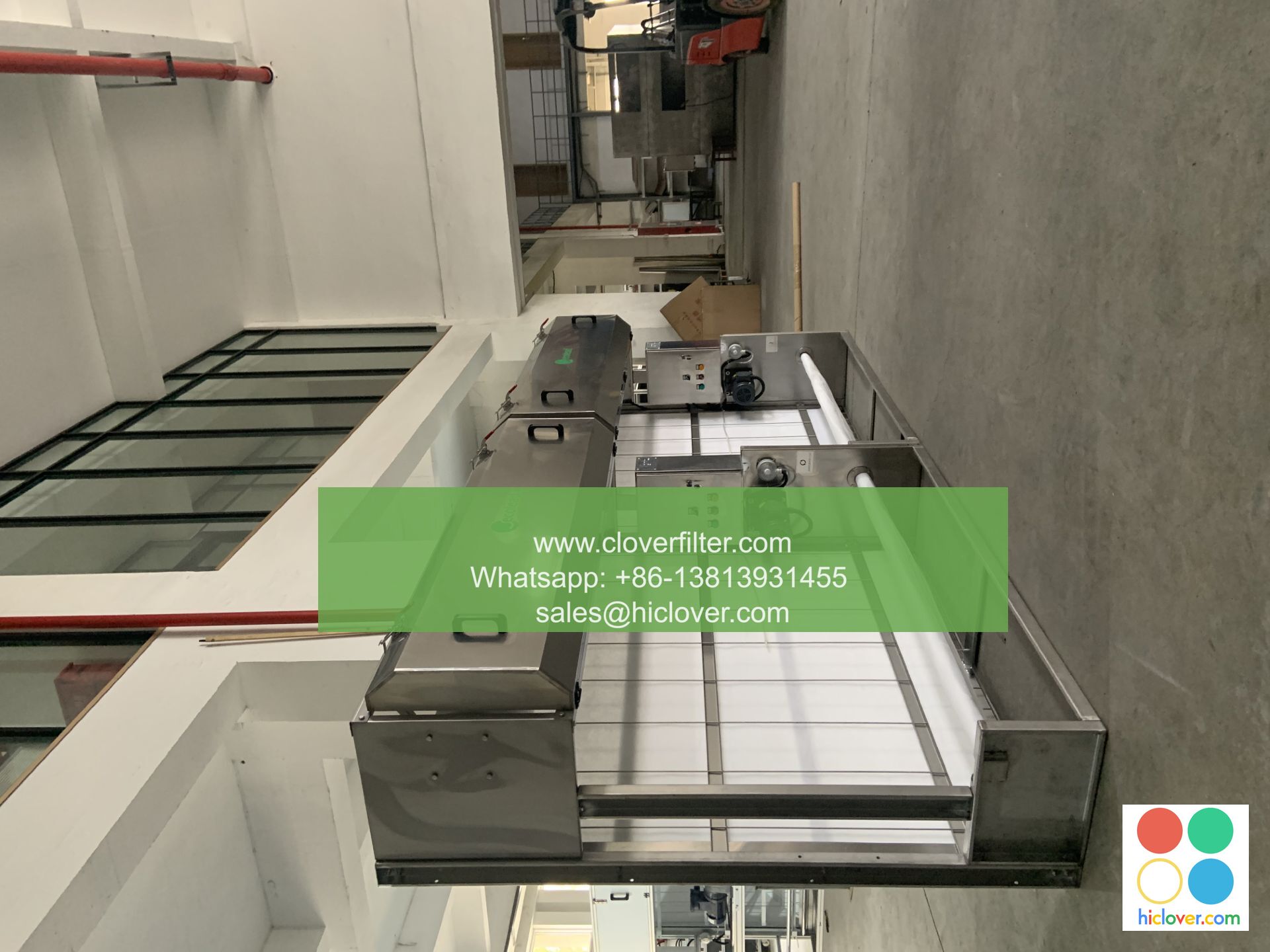
In today’s world, where air pollution and indoor air quality are major concerns, smart air filter configurators have emerged as a game-changer. These innovative devices use advanced Internet of Things (IoT) technology and artificial intelligence (AI) to optimize air filtration, providing a healthier and more comfortable living and working environment. In this article, we will explore the benefits of upgrading to a smart air filter configurator and highlight its various application areas.
Improved Indoor Air Quality
Traditional air filters can be inefficient and ineffective in removing pollutants and allergens from the air. Smart air filter configurators, on the other hand, use machine learning algorithms to analyze the air quality and adjust the filtration settings accordingly. This results in a significant reduction in particulate matter (PM), volatile organic compounds (VOCs), and other airborne pollutants, creating a healthier indoor environment.
Energy Efficiency and Cost Savings
Smart air filter configurators are designed to optimize energy consumption, reducing the overall cost of operation. By using advanced sensors and real-time data analytics, these devices can detect changes in air quality and adjust the fan speed and filtration settings to minimize energy wastage. This leads to significant cost savings and a reduced carbon footprint.
Enhanced Maintenance and Monitoring
Smart air filter configurators come equipped with remote monitoring and notification systems, allowing users to track the air quality and receive alerts when the filter needs to be replaced or cleaned. This proactive maintenance approach ensures that the air filter operates at peak performance, reducing downtime and extending its lifespan.
Application Areas
Smart air filter configurators have a wide range of applications across various industries, including:
* Residential buildings: Improve indoor air quality and create a healthier living environment for families.
* Commercial offices: Enhance productivity and employee well-being by providing a comfortable and healthy work environment.
* Industrial settings: Optimize air filtration and reduce the risk of airborne pollutants in manufacturing and production facilities.
* Healthcare facilities: Provide a sterile and healthy environment for patients, reducing the risk of airborne infections.
* Agricultural settings: Improve air quality and reduce the risk of airborne pollutants in greenhouses and livestock facilities.
Conclusion
Upgrading to a smart air filter configurator is a smart decision for anyone looking to improve indoor air quality, reduce energy consumption, and enhance maintenance and monitoring. With its advanced IoT technology and AI-powered features, this innovative device is poised to revolutionize the air filtration industry. Whether you’re a homeowner, business owner, or facility manager, a smart air filter configurator is an investment worth considering. By highlighting the various application areas and benefits of this technology, we hope to have demonstrated the importance of embracing smart air filtration solutions for a healthier and more sustainable future. It seems like you forgot to include the prompt. Could you please provide more details or clarify what you would like to talk about? I’m here to help with any questions or topics you have in mind!
