The Benefits of Upgrading to an Automatic Roll Air Filter System at Thunder Bay Medical Research Facility
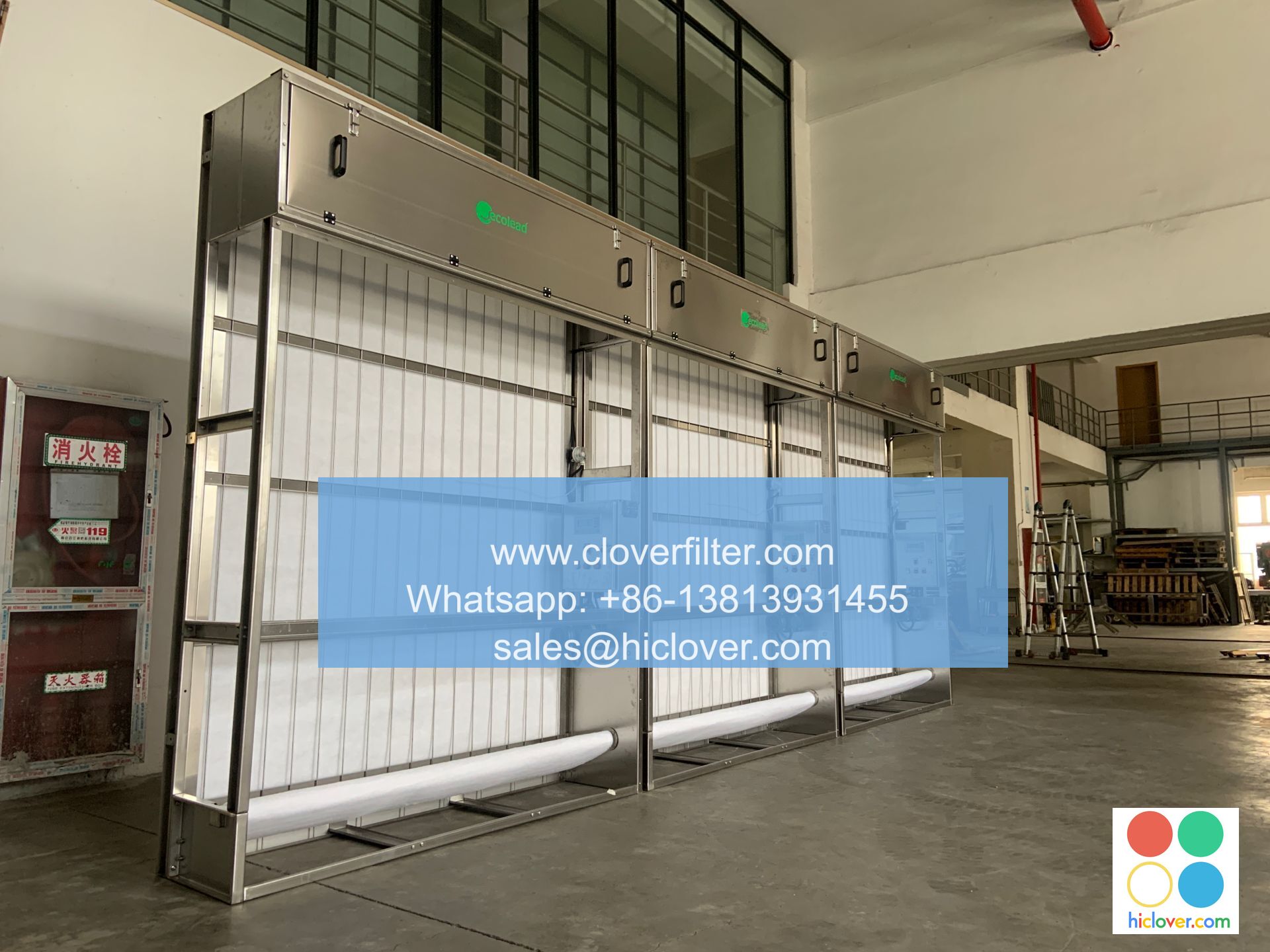
Air quality is of paramount importance in medical research facilities like the Thunder Bay Medical Research Facility, where even the slightest contamination can compromise research outcomes and patient safety. With advancements in technology, one of the most notable improvements has been the shift to automatic roll air filter systems. This article explores the benefits of upgrading to such systems in a medical research setting.

Improved Air Quality
Upgrading to an automatic roll air filter system significantly enhances the air quality within the facility. These systems utilize advanced filtration technologies that can capture a higher percentage of airborne particles, including pathogens, dust, and allergens. By maintaining optimal air quality, the automatic filters help create a safer and more conducive environment for both researchers and study participants.
Cost-Effectiveness
While the initial investment in an automatic roll air filter system might seem high, the long-term savings are undeniable. Traditional filter systems often require frequent manual replacements, leading to increased labor costs and downtime. In contrast, automatic roll systems typically optimize filter usage, reducing the need for replacements and maintenance. Additionally, these systems often operate more efficiently, leading to lower energy consumption costs.
Ease of Operation and Maintenance

One of the most significant advantages of automatic roll air filter systems is their ease of operation. These systems are designed to automate the filter change process, thereby minimizing downtime. Staff members are no longer required to manually check and replace filters regularly, freeing up valuable time and resources. This allows researchers to focus on their work rather than on maintenance tasks.
Consistency and Reliability
In a research facility, consistency in air quality is crucial. Automatic roll systems provide a reliable airflow and filtration performance without the variability that manual systems can introduce. The automation reduces the risk of human error and ensures consistent operational standards that comply with health and safety regulations.
Environmental Benefits
As organizations worldwide strive to reduce their ecological footprint, upgrading to an automatic roll air filter system also contributes to sustainability efforts. These systems are often designed with energy efficiency in mind, meaning they can minimize electricity consumption. Furthermore, the ability to roll out new filters reduces waste generation compared to traditional static filters.
Conclusion
Upgrading to an automatic roll air filter system at the Thunder Bay Medical Research Facility provides numerous benefits, including improved air quality, cost-effectiveness, ease of maintenance, reliability, and environmental sustainability. Considering the critical nature of research conducted in such settings, investing in these modern systems not only enhances operational efficiency but also elevates the safety and efficacy of research outcomes.
FAQs
1. How often do the filters need to be replaced in an automatic roll air filter system?
The frequency of filter replacement can vary based on usage and environmental conditions, but automatic roll systems usually operate on schedules that optimize filter life while ensuring quality performance.
2. Are automatic roll air filter systems very costly to install?
While the upfront costs can be higher than traditional systems, the long-term savings in maintenance, operation, and energy consumption often justify the investment.
3. Can the system be used in other facilities?
Yes, automatic roll air filter systems can be beneficial in any environment where air quality is a priority, including hospitals, laboratories, and even commercial spaces.
