The Benefits of Using Air Filter Converters in Museums and Historical Preservation
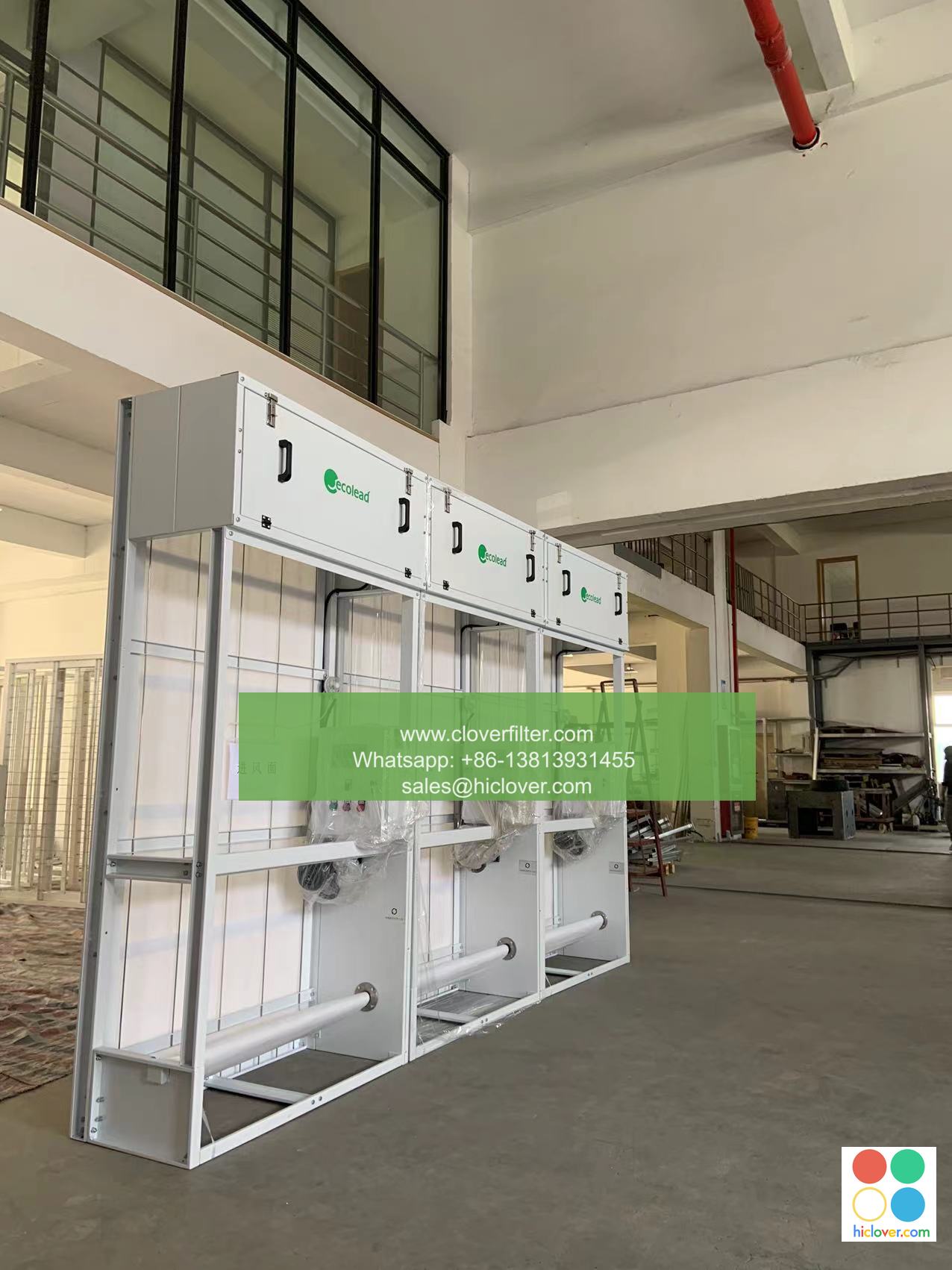
The preservation of artifacts, artworks, and historical documents is crucial for maintaining cultural heritage. Museums and historical sites are responsible for safeguarding these treasures against various environmental threats. One innovative solution that has gained traction is the use of air filter converters. These systems help ensure that the air quality in exhibition spaces is pristine, thereby prolonging the lifespan of invaluable collections.
Understanding Air Filter Converters

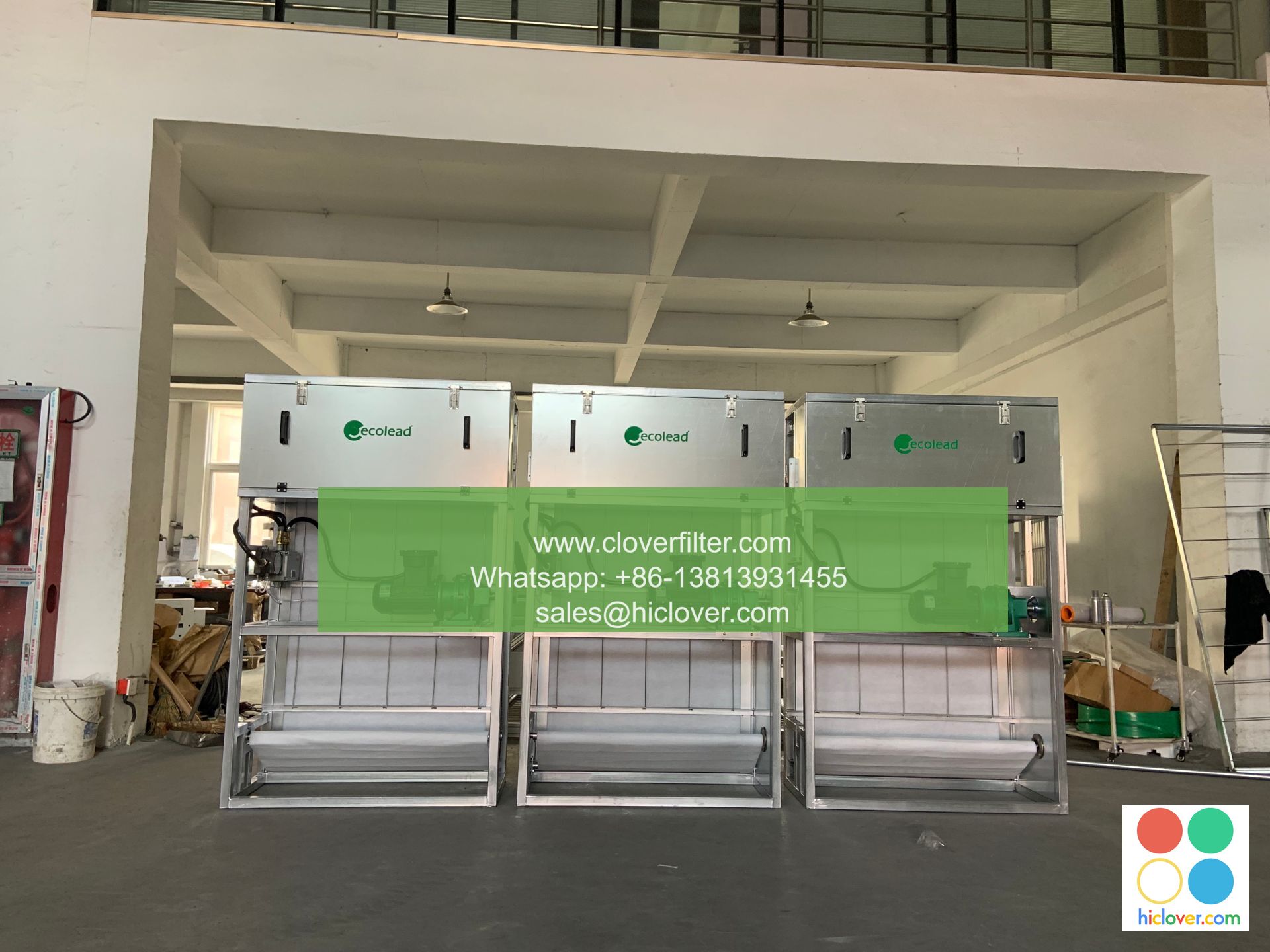
Air filter converters are advanced systems designed to enhance indoor air quality by removing pollutants, allergens, and particulate matter. They effectively filter dust, mold spores, volatile organic compounds (VOCs), and other harmful substances that can damage sensitive materials over time.
Applications in Museums
Protection from Pollutants
In museums, air filter converters serve to protect delicate items from air pollutants that can accelerate degradation. For example, paintings and textiles are especially vulnerable to smoke, dust, and humidity. The installation of air filter converters helps maintain a stable and clean environment, preventing the deterioration of these priceless artifacts.
Improved Visitor Experience
Air quality is not only a concern for the artifacts but also for visitors. Museums that utilize air filter converters create a more comfortable atmosphere for guests. Improved air quality can lead to better visitor satisfaction, encouraging longer visits and increased engagement with exhibits.
Application in Historical Preservation
Maintaining Stable Environments
Historical sites often struggle with fluctuating environmental conditions that threaten their integrity. Air filter converters play a vital role by stabilizing humidity and temperature levels within preserved structures. This stabilization is essential for maintaining the physical conditions necessary for preserving artifacts and architecture.
Reducing Restoration Costs
By preventing damage through effective air filtration, museums can reduce the need for costly restorations. Implementing air filter converters as part of an ongoing preservation strategy can save institutions significant resources in the long run.
Environmental Benefits
In addition to protecting cultural heritage, air filter converters contribute positively to the environment. Many modern units utilize energy-efficient technologies, which reduce the overall carbon footprint of the institution. By investing in sustainable practices through air filtration, museums can set an example for environmental responsibility.
Conclusion
Integrating air filter converters into museums and historical preservation efforts offers numerous benefits, from protecting delicate artifacts to enhancing visitor experiences and reducing costs. As custodians of cultural heritage, museums must embrace such technologies to ensure the longevity of their collections. By prioritizing air quality, they not only safeguard history but also commit to a sustainable future.
It looks like you might want help with a specific topic or task, but your request is a bit vague. Could you clarify what kind of prompt or assistance you’re looking for? Are you interested in writing prompts, discussion topics, creative ideas, or something else? Let me know how I can help!
