The Benefits of Using Air Filters with Anti-Microbial Treatments
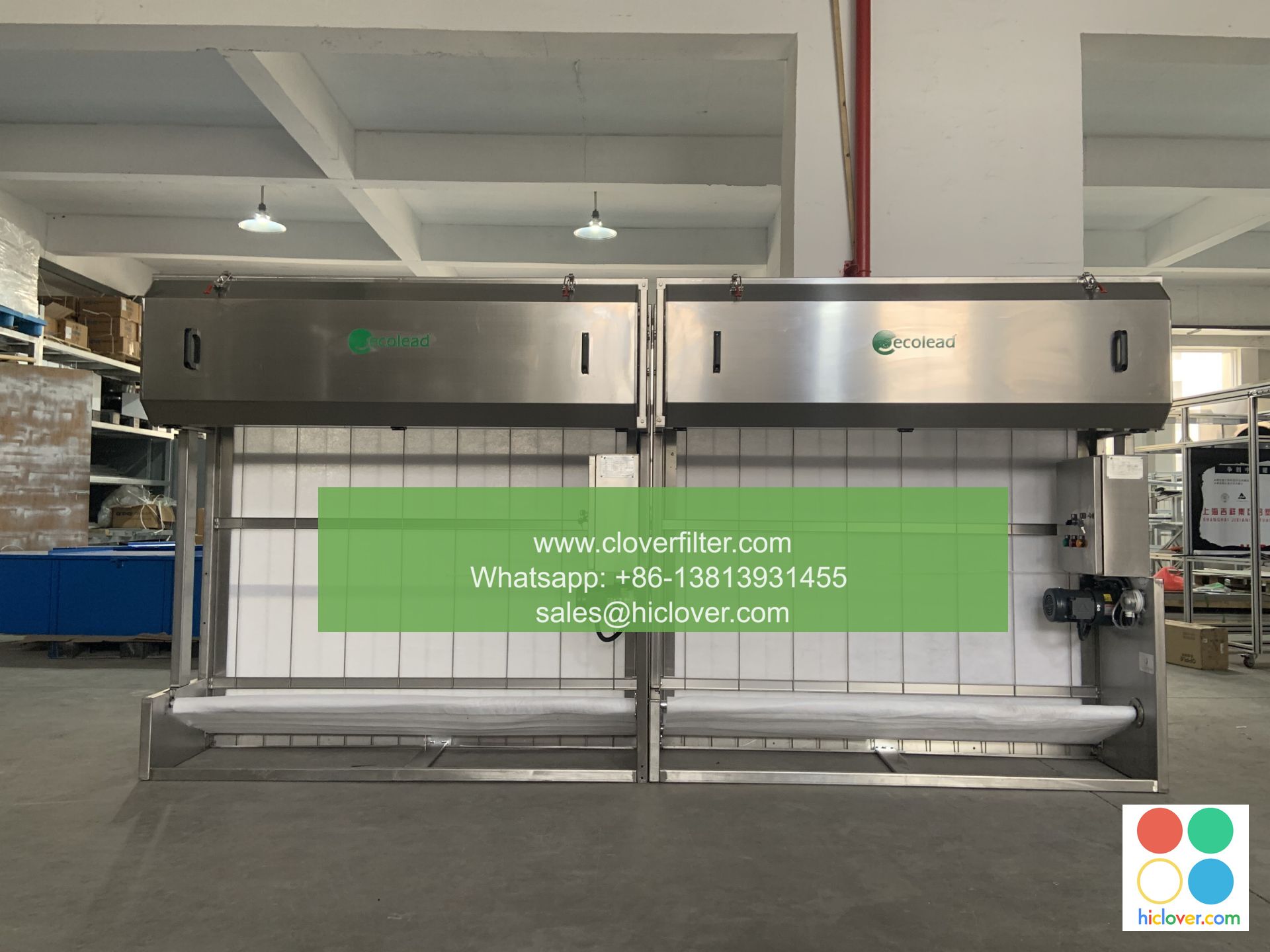
The quality of the air we breathe indoors has become a significant concern in recent years. With the rise of indoor air pollution, it’s essential to take measures to minimize the risks associated with airborne pathogens and allergens. One effective way to achieve this is by using air filters with anti-microbial treatments. In this article, we’ll explore the benefits of these filters and their various application areas.
What are Anti-Microbial Air Filters?
Anti-microbial air filters are designed to capture 99.97% of particles as small as 0.3 microns, including bacteria, viruses, and fungi. These filters are treated with anti-microbial agents that inhibit the growth of microorganisms on the filter surface, preventing the spread of infections and allergies. This technology is particularly useful in high-risk environments such as hospitals, clinics, and labs.
Benefits of Anti-Microbial Air Filters
The benefits of using anti-microbial air filters are numerous:
* Improved indoor air quality: By capturing airborne pathogens and allergens, these filters help reduce the risk of respiratory problems and infections.
* Reduced maintenance: Anti-microbial treatments prevent the growth of microorganisms on the filter surface, reducing the need for frequent filter replacements and cleaning.
* Increased energy efficiency: By minimizing the growth of microorganisms, these filters help maintain airflow and system performance, resulting in lower energy consumption and cost savings.
* Enhanced protection: Anti-microbial air filters provide an additional layer of protection against airborne diseases and infections, making them an essential component of infection control strategies.
Application Areas
Anti-microbial air filters have a wide range of applications in various industries, including:
* Healthcare: Hospitals, clinics, and labs require high-level filtration to prevent the spread of infections and diseases.
* Food processing: Food manufacturers need to maintain strict hygiene standards to prevent contamination and spoilage.
* Pharmaceuticals: Pharmaceutical companies require clean rooms with controlled environments to ensure product quality and integrity.
* Commercial buildings: Office buildings, schools, and shopping centers can benefit from anti-microbial air filters to improve indoor air quality and reduce absenteeism.

Conclusion
In conclusion, anti-microbial air filters are a vital component of indoor air quality management. By capturing airborne pathogens and allergens, these filters help reduce the risk of respiratory problems and infections. With their broad application areas and numerous benefits, anti-microbial air filters are an essential investment for any facility or industry seeking to improve indoor air quality and protect public health. It looks like you didn’t include a prompt. What would you like to talk about or ask? I can summarize a topic, answer a question, or engage in a conversation on a wide range of subjects. Please feel free to provide a prompt, and I’ll do my best to assist you!
