The Benefits of Using Air Filters with UV Technology: A Documentation Analysis
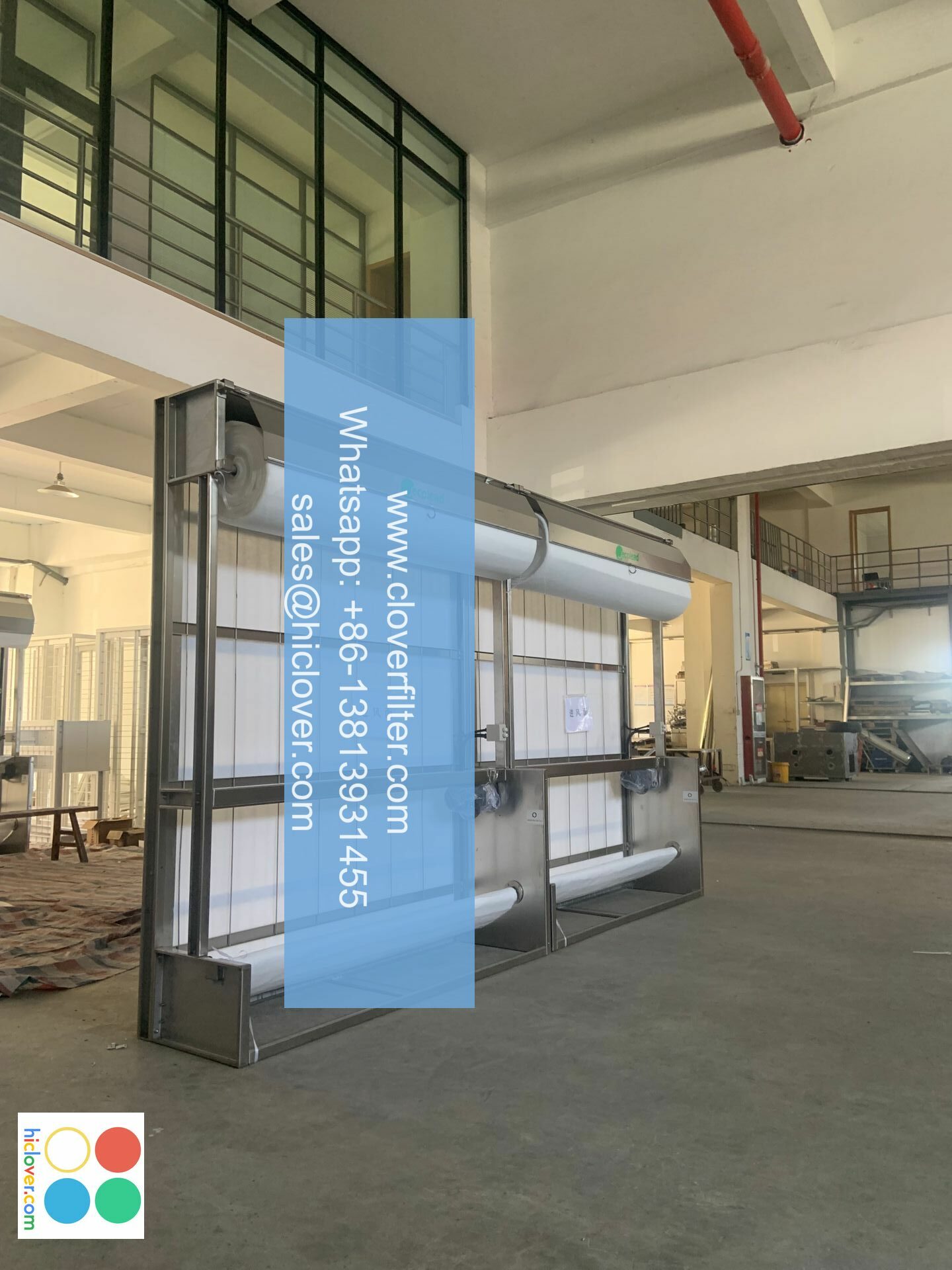
In recent years, the importance of indoor air quality (IAQ) has gained significant attention due to its direct impact on health and well-being. Air filters with UV technology are becoming increasingly popular as a solution for enhancing air purity. This article explores the numerous benefits of utilizing these advanced air filtration systems based on a thorough documentation analysis.
Understanding UV Technology in Air Filters

Ultraviolet (UV) technology serves as an essential component in several air filtration systems. UV light effectively neutralizes bacteria, viruses, mold, and other pathogens present in the air, enhancing the overall efficiency of traditional filtration methods. By integrating UV light into air filters, users can create a healthier environment in various settings.
Key Benefits of Air Filters with UV Technology
1. Enhanced Disinfection Capabilities
One of the most significant benefits of air filters combined with UV technology is their exceptional disinfection capabilities. The UV light works by disrupting the DNA of microorganisms, rendering them incapable of reproduction. This process effectively eliminates harmful pathogens, making the air significantly cleaner and safer.
2. Reduction of Allergens
These advanced air filters are also efficient in combating common allergens such as pollen, dust mites, and pet dander. By integrating UV technology, these systems are not only capturing these particles but also neutralizing allergens that could trigger asthma or allergic reactions.
3. Odor Elimination
Air filters with UV features are adept at removing odors caused by bacteria and organic materials. For instance, in commercial kitchens or healthcare facilities, the combination of air filtration and UV technology effectively reduces foul smells, contributing to a more pleasant environment.
Application Areas of UV Air Filters
1. Residential Use
In residential settings, air filters equipped with UV technology can offer families protection from airborne diseases, reduce allergy symptoms, and ensure a healthier indoor environment for children and elderly individuals.
2. Commercial Buildings
For commercial spaces, including offices and retail environments, maintaining high indoor air quality is crucial for employee productivity and customer satisfaction. Implementing UV air filters helps create a safe space, fostering a healthy atmosphere.
3. Healthcare Facilities
In healthcare settings, the stakes are even higher. Hospitals and clinics utilize air filters with UV technology to minimize infection rates and protect patients from harmful airborne pathogens, making these systems essential in any healthcare environment.
4. Industrial Applications
Industry facilities, particularly those dealing with chemicals and other harmful substances, can benefit significantly from UV air filters. By improving purification processes, these systems protect workers while ensuring compliance with safety regulations.
Conclusion
Air filters with UV technology are an innovative solution for improving indoor air quality. Their enhanced disinfection capabilities, allergen reduction, and odor elimination make them suitable for a variety of applications, including residential, commercial, healthcare, and industrial environments. As the demand for cleaner air continues to grow, the utilization of these advanced filtration systems will undoubtedly play a pivotal role in safeguarding public health and enhancing quality of life.
It looks like your message might be incomplete. Could you please provide more details or specify the prompt you’re looking for? I’m here to help!
