The Benefits of Using Air Filters with UV Technology for Residential Applications: A Documentation Analysis
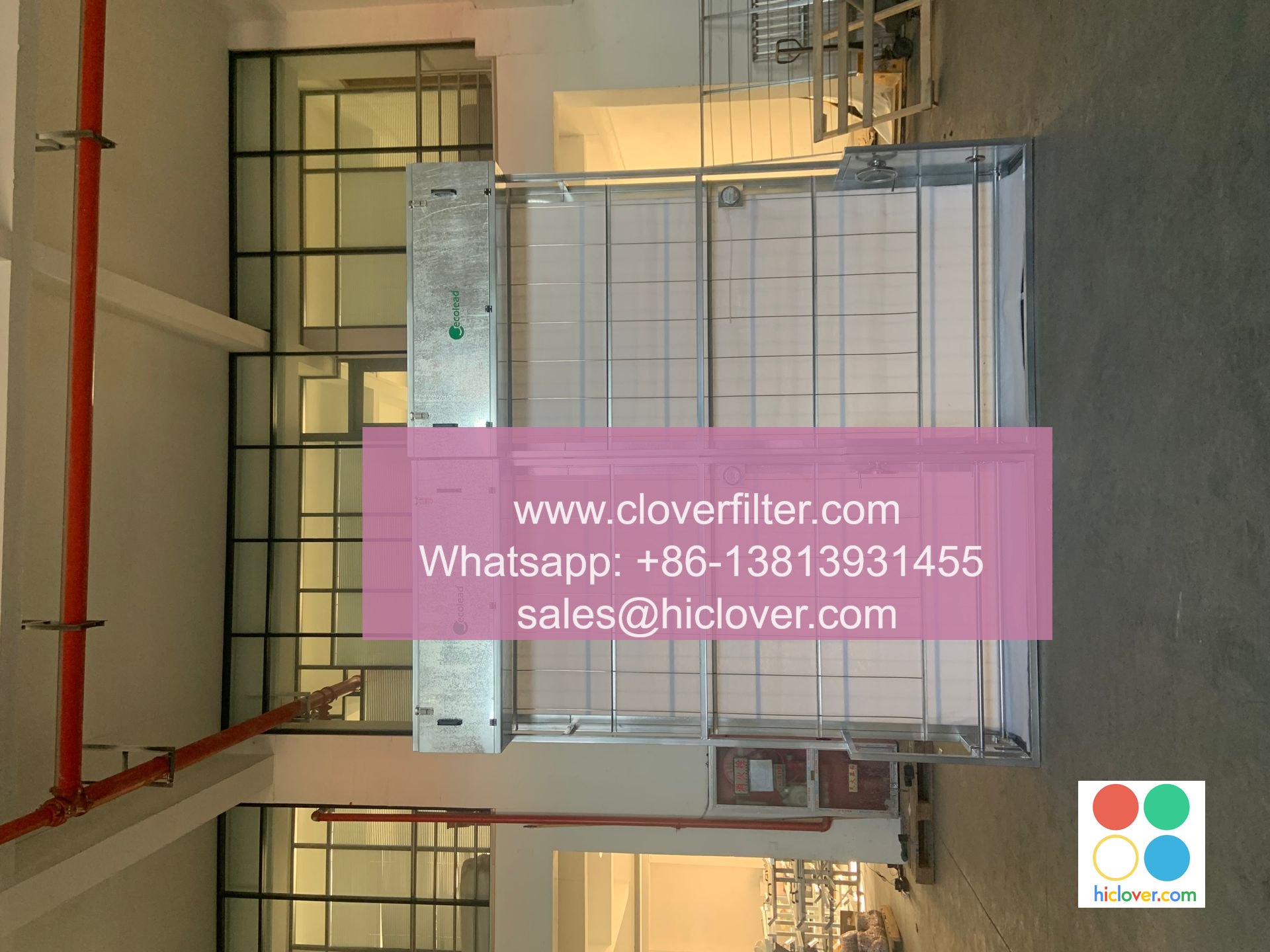
In recent years, there has been a growing concern about indoor air quality, especially considering the amount of time people spend in their homes. To address this issue, air filters with UV technology have emerged as a compelling solution for residential applications. This article will delve into the various benefits these advanced air filtration systems offer, highlighting their effectiveness, health advantages, and cost-efficiency.
Understanding UV Technology in Air Filters

Air filters with UV technology integrate ultraviolet light as a key component in the air purification process. The UV light targets pathogens such as bacteria, viruses, and mold spores, rendering them inactive and preventing their reproduction. When combined with traditional air filtration methods, these systems provide a more comprehensive approach to maintaining a healthy indoor environment.
Enhanced Air Quality
Improved Filtration Efficiency
One of the most significant advantages of air filters with UV technology is their enhanced filtration efficiency. Standard air filters capture larger particles such as dust and pollen, but they may fall short when it comes to filtering out microscopic pathogens. The introduction of UV light enables these systems to kill or deactivate a higher percentage of airborne contaminants.
Reduction of Allergens and Irritants
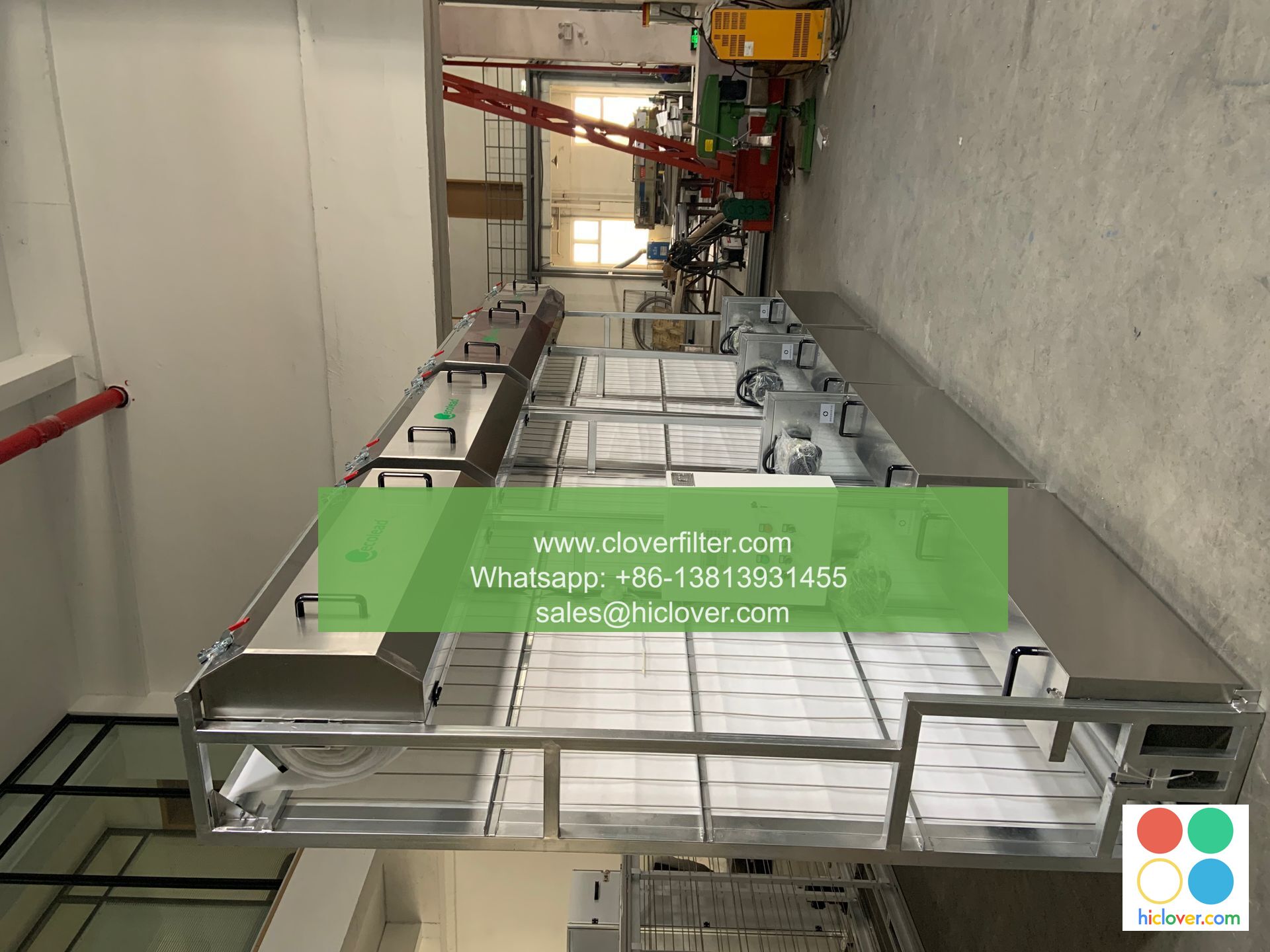
For individuals suffering from allergies or respiratory conditions, UV air filters can significantly reduce allergens and irritants in the home. By eliminating mold spores, dust mites, and pet dander, these filters create a more comfortable living space. This is especially beneficial during allergy seasons or in households with pets.
Health Benefits
Minimizing Respiratory Issues
Airborne pathogens are known contributors to respiratory issues. UV technology reduces the presence of harmful microorganisms in the air, thereby minimizing the risks of respiratory infections, allergies, and asthma attacks. Families with children and elderly members particularly benefit from the installation of such air filtration systems.
Enhanced Sanitization
In addition to improving the quality of air, air filters with UV technology also contribute to overall sanitization. The UV light destroys pathogens that may settle on surfaces, reducing the likelihood of illness spread within the household. This is particularly critical in a post-pandemic world where cleanliness and hygiene are paramount.
Energy Efficiency and Cost-Effectiveness
Reduced Maintenance Costs
While the initial investment in UV air filters may be higher than traditional filters, they often result in lower long-term maintenance costs. By minimizing the accumulation of harmful microorganisms, these systems can extend the lifespan of HVAC equipment and reduce the need for repairs or replacements.
Lower Energy Consumption
Many UV air purification systems are designed to work efficiently alongside existing heating and cooling systems. By ensuring cleaner air and reduced strain on HVAC components, these systems can lead to lower energy consumption and bills. Homeowners can achieve energy savings while simultaneously providing a healthier indoor environment.
Application Areas for UV Air Filters
Residential Spaces
In residential applications, UV air filters are ideal for living rooms, bedrooms, and nurseries. They provide peace of mind for families, particularly those with allergy sufferers or vulnerable members, ensuring that the air is clean and safe to breathe.
HVAC Systems
Integrating UV technology into HVAC systems enhances overall air quality throughout the home. This not only purifies the air but also promotes better efficiency within the HVAC units, ultimately leading to reduced energy costs.
Home Office Environments
As more people work from home, maintaining a healthy indoor workspace is essential. UV air filters can enhance air quality in home offices, promoting concentration and productivity by eliminating airborne pathogens.
Conclusion
In conclusion, air filters with UV technology represent a significant advancement in residential air purification. They offer enhanced air quality, health benefits, energy efficiency, and cost-effectiveness. As awareness of indoor air quality continues to grow, these systems provide a proactive solution for families seeking to improve their home’s environment. Investing in air filters with UV technology can make a substantial difference in the overall well-being of your household.
It seems like you entered “Prompt” without any specific request or context. How can I assist you today? If you have a topic in mind or need help with a particular question, feel free to share!
