The Benefits of Using Air Filters with UV Technology
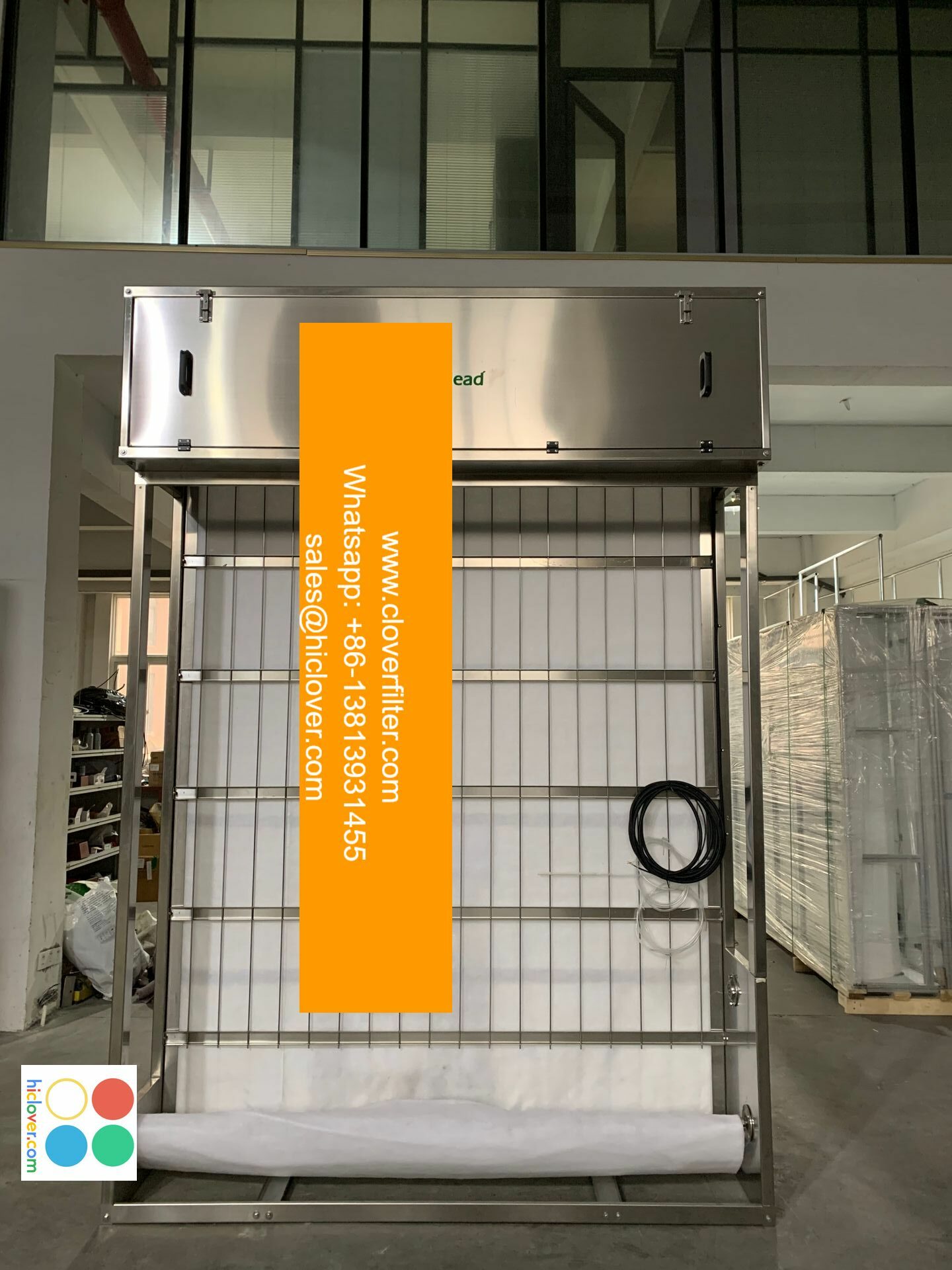
The use of air filters with UV technology has become increasingly popular in recent years due to its numerous benefits in improving indoor air quality, reducing airborne pathogens, and enhancing overall health and well-being. In this article, we will explore the advantages of using air filters with UV technology, its applications in various industries, and the key benefits it provides.
What is UV Technology and How Does it Work?
UV (Ultraviolet) technology uses short-wavelength ultraviolet light to kill or inactivate microorganisms, such as bacteria, viruses, and mold, that are present in the air. When combined with air filters, UV technology provides a powerful solution for removing airborne contaminants and improving indoor air quality. The UV light is typically emitted by a UV lamp or LED, which is integrated into the air filter system.
Benefits of Using Air Filters with UV Technology
The benefits of using air filters with UV technology are numerous and include:
* Improved Indoor Air Quality: Air filters with UV technology can remove up to 99.9% of airborne pathogens, including influenza, tuberculosis, and legionella, making it an effective solution for improving indoor air quality.
* Reduced Airborne Infections: By killing or inactivating microorganisms, air filters with UV technology can reduce the transmission of airborne infections, such as the common cold and flu.
* Relief from Allergies and Asthma: Air filters with UV technology can also remove allergens, such as dust, pollen, and pet dander, which can exacerbate allergies and asthma.
* Extended Filter Life: The UV technology can also help to extend the life of the air filter by reducing the growth of microorganisms that can clog the filter.
Applications of Air Filters with UV Technology
Air filters with UV technology have a wide range of applications in various industries, including:
* Healthcare: Hospitals, clinics, and healthcare facilities can benefit from air filters with UV technology to reduce the transmission of airborne infections and improve patient outcomes.
* Commercial Buildings: Office buildings, schools, and universities can use air filters with UV technology to improve indoor air quality and reduce the spread of illnesses.
* Industrial Settings: Industrial facilities, such as manufacturing plants and food processing plants, can benefit from air filters with UV technology to remove airborne contaminants and improve worker health and safety.
* Residential Homes: Homeowners can also benefit from air filters with UV technology to improve indoor air quality and reduce the risk of airborne infections.

Key Features to Look for in Air Filters with UV Technology
When selecting an air filter with UV technology, there are several key features to look for, including:
* UV Intensity: Look for air filters with UV technology that have a high UV intensity to ensure effective killing or inactivation of microorganisms.
* Filter Efficiency: Choose air filters with UV technology that have a high filter efficiency to remove airborne contaminants and allergens.
* Energy Efficiency: Consider air filters with UV technology that are energy-efficient and have a low operating cost.
* Certifications and Compliance: Look for air filters with UV technology that meet industry standards and certifications, such as HEPA (High Efficiency Particulate Air) and UL (Underwriters Laboratories) certifications.
In conclusion, air filters with UV technology offer a powerful solution for improving indoor air quality, reducing airborne pathogens, and enhancing overall health and well-being. With its numerous benefits and wide range of applications, air filters with UV technology are an essential component in various industries, including healthcare, commercial buildings, industrial settings, and residential homes. By understanding the benefits and key features of air filters with UV technology, individuals and organizations can make informed decisions to improve indoor air quality and reduce the risk of airborne infections. It looks like you might have forgotten to include the prompt itself. Could you please go ahead and provide the details or the question you’d like help with? I’m here to assist you!
