The Benefits of Using Electrostatic Precipitators in Industrial Air Filtration
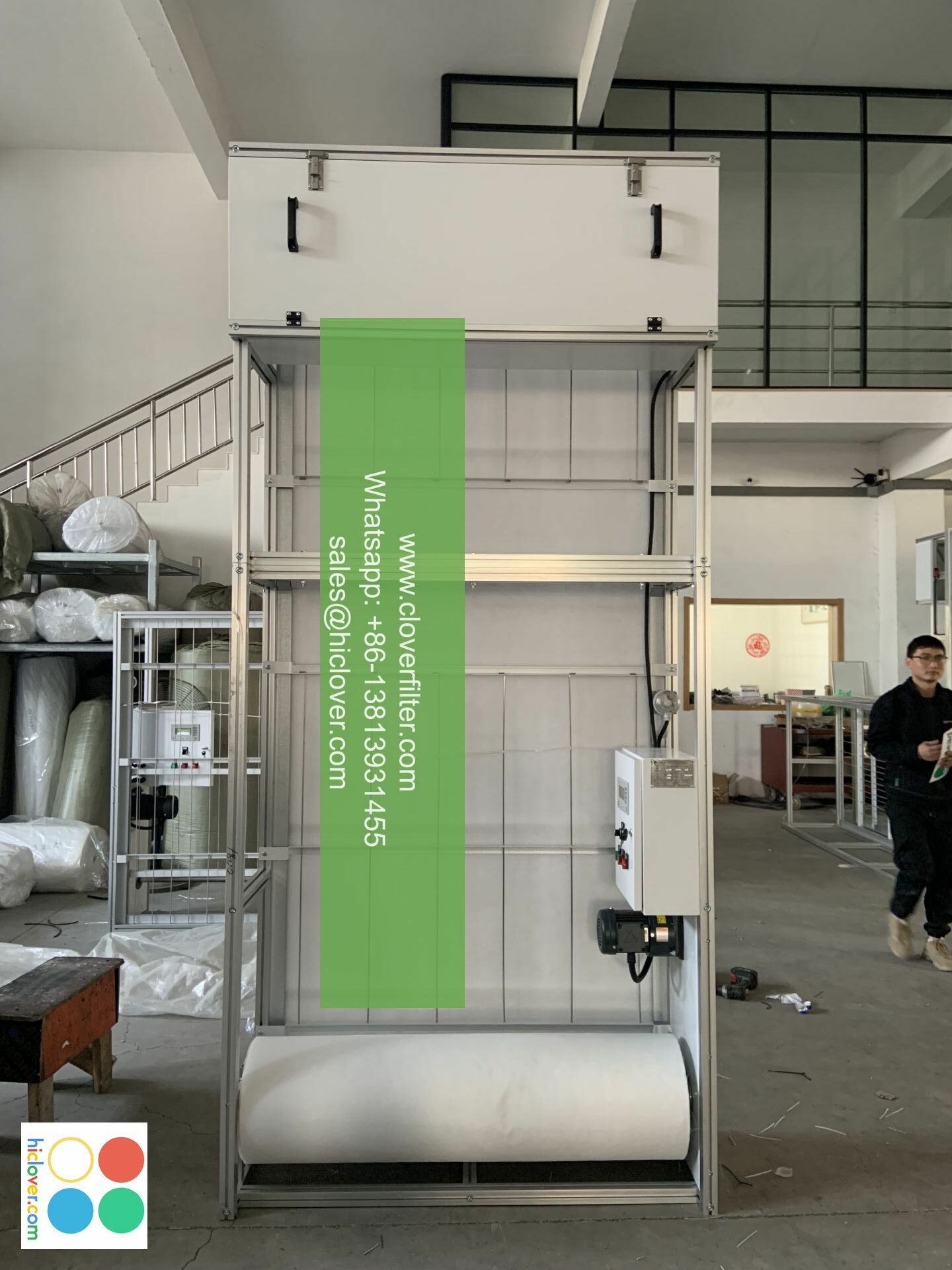
In today’s industrial world, maintaining air quality is not just a regulatory obligation; it’s essential for the health of workers and the environment. One of the most effective technologies for industrial air filtration is the electrostatic precipitator (ESP). This article explores the numerous benefits of using ESPs in various industrial applications, shedding light on their efficiency, cost-effectiveness, and environmental impact.
What is an Electrostatic Precipitator?

An electrostatic precipitator is a pollution control device that removes particles from a gas stream using the force of an induced electrostatic charge. Found in diverse industries, including power generation, cement production, and steel manufacturing, ESPs efficiently capture dust and other pollutants before they can enter the atmosphere or affect operational safety.
Key Benefits of Electrostatic Precipitators
1. High Efficiency in Particle Removal
Electrostatic precipitators can achieve an impressive efficiency of up to 99% in controlling particulate emissions. This high efficiency makes them suitable for industries where strict emission standards must be met, contributing significantly to cleaner air.
2. Cost-Effective Operation
Despite the initial investment required for installing an ESP, they are highly cost-effective in the long run. Their low operating costs arise from less frequent maintenance needs and lower energy consumption compared to traditional filtration systems. Additionally, they can handle large volumes of gas, making them advantageous for large-scale operations.

3. Versatile Applications
Electrostatic precipitators are versatile and can be tailored to meet specific operational requirements. They are commonly used in:
- Power Plants: To control emissions from coal-fired power plants.
- Metal Processing: To capture metals and particulate matter in foundries.
- Cement Manufacturing: To reduce pollutants during the production process.
- Pulp and Paper Mills: To ensure compliance with air quality regulations.
- Incineration Facilities: To manage emissions from burning waste materials.
4. Environmentally Friendly Approach
By using electrostatic precipitators, industrial operations can significantly reduce their environmental impact. The technology helps to minimize air pollution, contributing to a reduction in acid rain and respiratory problems in the surrounding areas. As regulatory pressures increase, the role of ESPs in ensuring compliance becomes ever more critical.
5. Minimal Space Requirement
ESPs offer an additional advantage in terms of space efficiency. Unlike traditional bag filters, which require substantial room for installation and maintenance, ESPs occupy a smaller footprint. This feature allows manufacturers to streamline production processes without sacrificing air quality control.
Conclusion
Electrostatic precipitators represent a powerful solution for industries looking to enhance their air filtration processes while adhering to environmental regulations. With their high efficiency, cost-effectiveness, versatility in application, environmental benefits, and space-saving designs, ESPs are a valuable investment for modern industrial operations. Embracing this technology not only aids in maintaining compliance but also contributes to the overall well-being of the planet.
It seems like you might be looking for a prompt to spark creativity or guide a discussion. Here’s a versatile prompt:
“Imagine a world where everyone has a unique superpower based on their greatest fear. Describe the powers people might have, the challenges they face, and how society adapts to this new reality.”
Feel free to adjust it to fit your needs or let me know if you’re looking for something different!
