The Benefits of Using High-Efficiency Air Filters in Industrial Applications
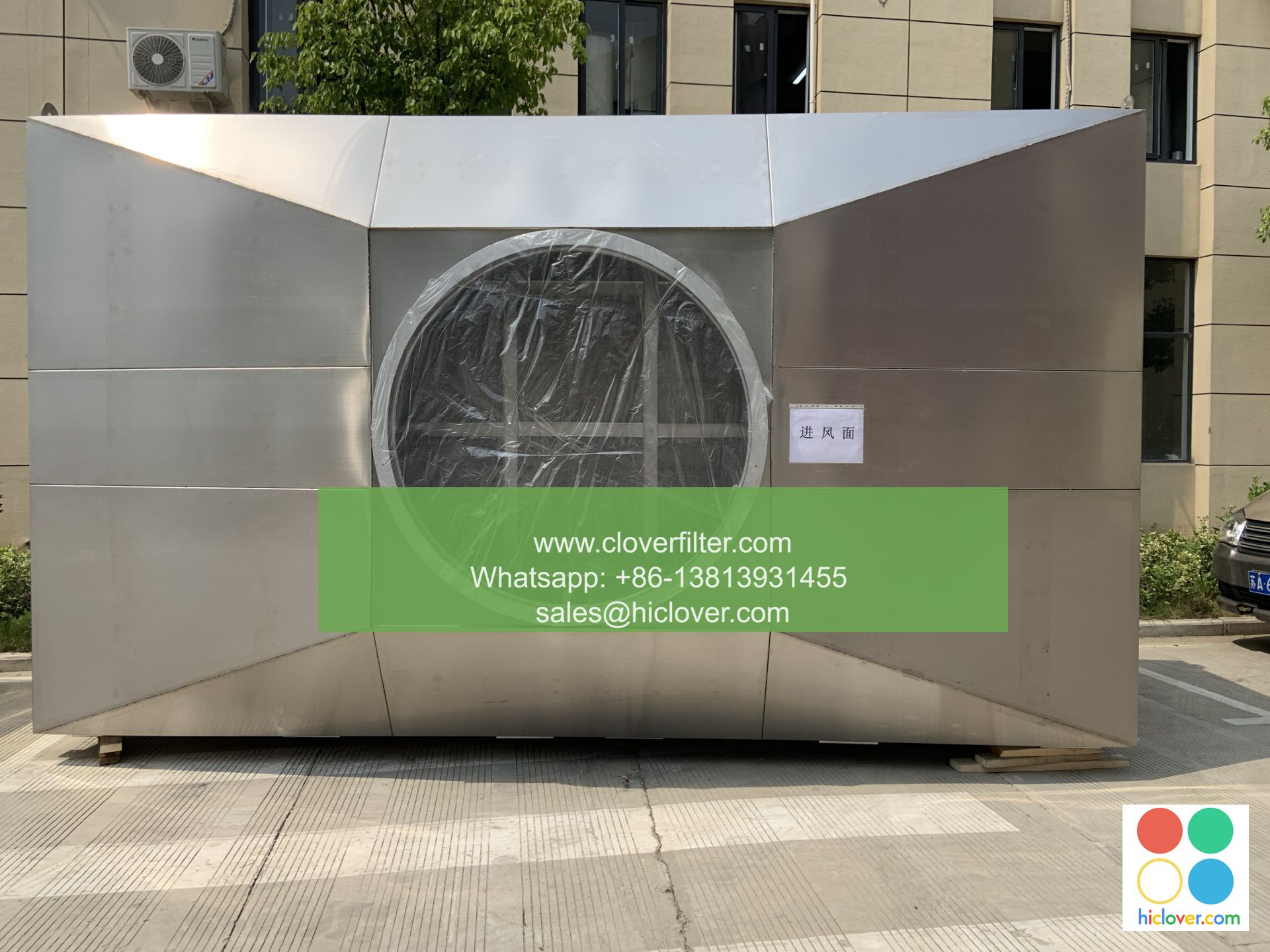
The use of high-efficiency air filters in industrial applications has become increasingly important in recent years. These filters are designed to capture ultra-fine particles, pollutants, and contaminants from the air, improving industrial indoor air quality and reducing the risk of equipment damage and worker health problems. In this article, we will explore the benefits of using high-efficiency air filters in industrial applications, highlighting various application areas and the advantages of industrial air filtration systems.
Benefits of High-Efficiency Air Filters
The benefits of using high-efficiency air filters in industrial applications are numerous. Some of the most significant advantages include:
* Improved Indoor Air Quality: High-efficiency air filters can capture 99.97% of particles as small as 0.3 microns, including dust, pollen, and other pollutants. This improves the overall indoor air quality and reduces the risk of respiratory problems and other health issues.
* Reduced Equipment Damage: High-efficiency air filters can help reduce the risk of equipment damage caused by dust and other contaminants. This can lead to increased equipment lifespan and reduced maintenance costs.
* Increased Energy Efficiency: High-efficiency air filters can help improve energy efficiency by reducing the amount of energy required to heat and cool the air. This can lead to cost savings and a reduced carbon footprint.
Application Areas for High-Efficiency Air Filters
High-efficiency air filters can be used in a variety of industrial application areas, including:
* Manufacturing Facilities: High-efficiency air filters can be used to improve indoor air quality and reduce the risk of equipment damage in manufacturing facilities.
* Food Processing Plants: High-efficiency air filters can be used to reduce the risk of contamination and improve indoor air quality in food processing plants.
* Pharmaceutical Facilities: High-efficiency air filters can be used to improve indoor air quality and reduce the risk of contamination in pharmaceutical facilities.
* Data Centers: High-efficiency air filters can be used to reduce the risk of equipment damage and improve indoor air quality in data centers.
Types of High-Efficiency Air Filters
There are several types of high-efficiency air filters available, including:
* HEPA Filters: HEPA filters are designed to capture 99.97% of particles as small as 0.3 microns.
* ULPA Filters: ULPA filters are designed to capture 99.99% of particles as small as 0.1 microns.
* Activated Carbon Filters: Activated carbon filters are designed to capture gases and other pollutants from the air.

Conclusion
In conclusion, the use of high-efficiency air filters in industrial applications can have numerous benefits, including improved indoor air quality, reduced equipment damage, and increased energy efficiency. By highlighting various application areas and the advantages of industrial air filtration systems, we can see the importance of using high-efficiency air filters in a variety of industrial settings. Whether you are looking to improve indoor air quality in a manufacturing facility, reduce the risk of contamination in a food processing plant, or improve energy efficiency in a data center, high-efficiency air filters are an essential component of any industrial air filtration system. It seems like you didn’t provide a prompt. Please go ahead and give me something to work with, and I’ll do my best to assist you!
