The Benefits of Using Oil-Free Air Compressors in Air Filter Programs
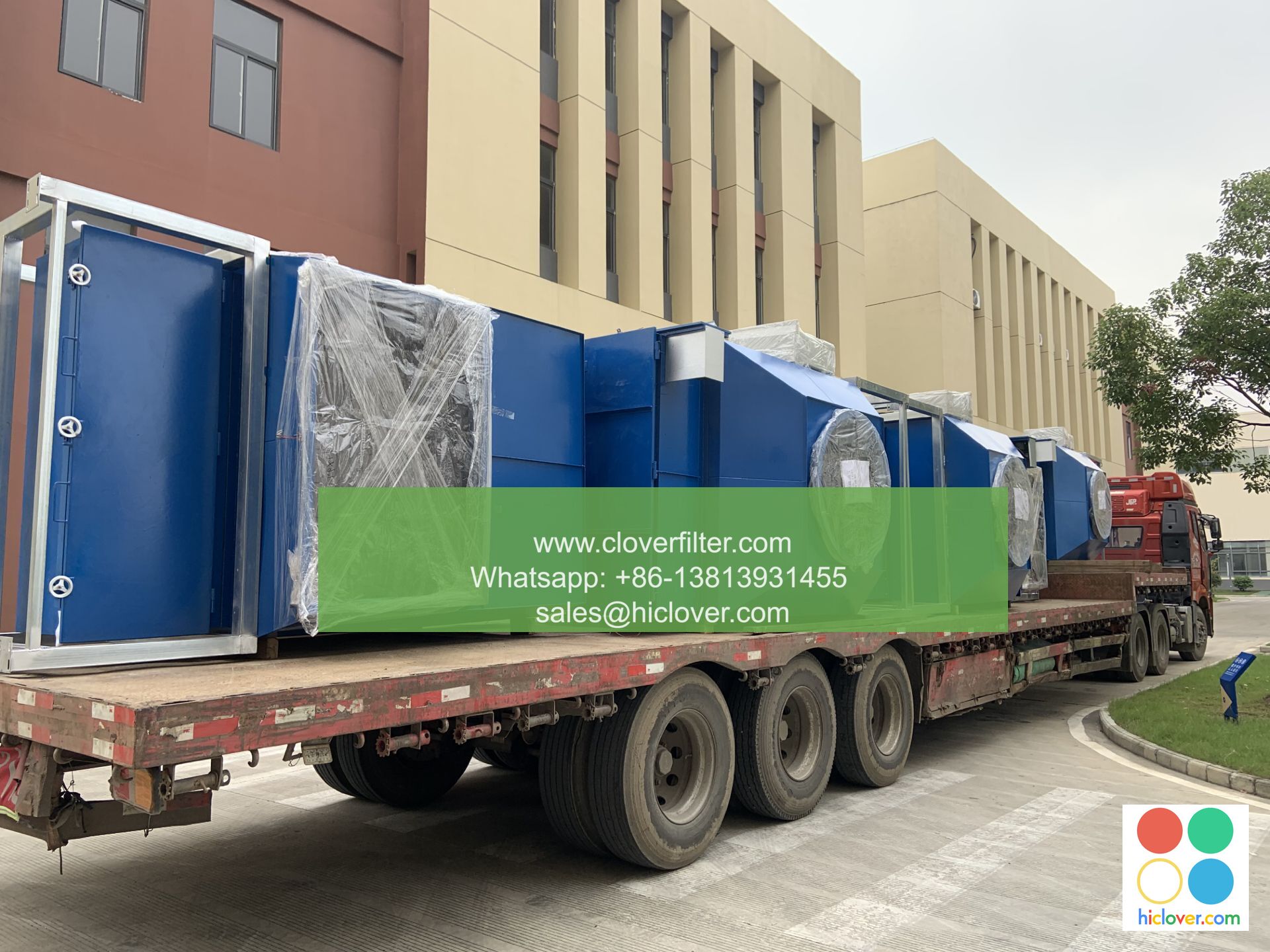
In the world of industrial operations, maintaining clean air is paramount to ensuring the quality and efficiency of various processes. One of the key components for achieving this goal is the use of oil-free air compressors in air filter programs. These compressors not only provide a reliable source of compressed air but also contribute to a range of significant benefits across multiple application areas.
1. Enhanced Air Quality

Oil-free air compressors eliminate the risk of oil contamination in the compressed air supply. This is particularly critical in industries such as food and beverage, pharmaceuticals, and electronics, where air quality is essential for product purity. By using oil-free systems, companies can ensure that their final products meet stringent quality standards.
2. Reduced Maintenance Costs
Oil-free air compressors require less maintenance than their oil-lubricated counterparts. Since there is no need for oil changes or filtering out oil from the air, companies can save on both labor and materials. This low-maintenance requirement allows businesses to reduce downtime and direct resources toward production rather than upkeep.
3. Environmental Sustainability
With increasing focus on environmental responsibility, many industries are moving towards more sustainable practices. Oil-free compressors align with this trend by eliminating oil spills and leaks, which can have detrimental effects on the environment. Using oil-free technology supports a greener operation, contributing positively to a company’s corporate social responsibility (CSR) initiatives.
4. Versatile Applications
Oil-free air compressors have a wide range of applications in various fields, including:
- Food and Beverage Manufacturing: Ensuring air purity for packaging and processing.
- Pharmaceuticals: Maintaining sterile environments in production areas.
- Electronics: Providing clean air for the assembly of sensitive components.
- Automotive: Supporting paint booths and air tool operations without contaminants.
5. Improved Worker Safety
By removing oil from the equation, the risk of hazardous slips and falls caused by oil spills in the workplace is significantly reduced. This enhances worker safety and contributes to a healthier work environment. In addition, employees can work with peace of mind, knowing that they are not exposed to harmful substances typically associated with lubricated compressors.
6. Energy Efficiency
Modern oil-free air compressors are designed to be more energy-efficient than traditional models. With advancements in technology, these systems can produce high-quality compressed air with lower energy consumption, resulting in cost savings for the organization while minimizing its carbon footprint.
Conclusion
Incorporating oil-free air compressors into air filter programs presents numerous advantages including enhanced air quality, reduced maintenance costs, environmental sustainability, versatile applications, improved worker safety, and energy efficiency. As industries increasingly prioritize cleaner, safer, and more efficient operations, oil-free compressors represent a smart investment that aligns with both operational goals and environmental responsibility.
It looks like you entered “Prompt,” but I didn’t receive any specific instructions or details! Could you please provide more information or clarify what kind of prompt you need? Whether it’s for writing, brainstorming, or something else, I’m here to help!
