The Benefits of Using Smart Air Filters: A Documentation Analysis
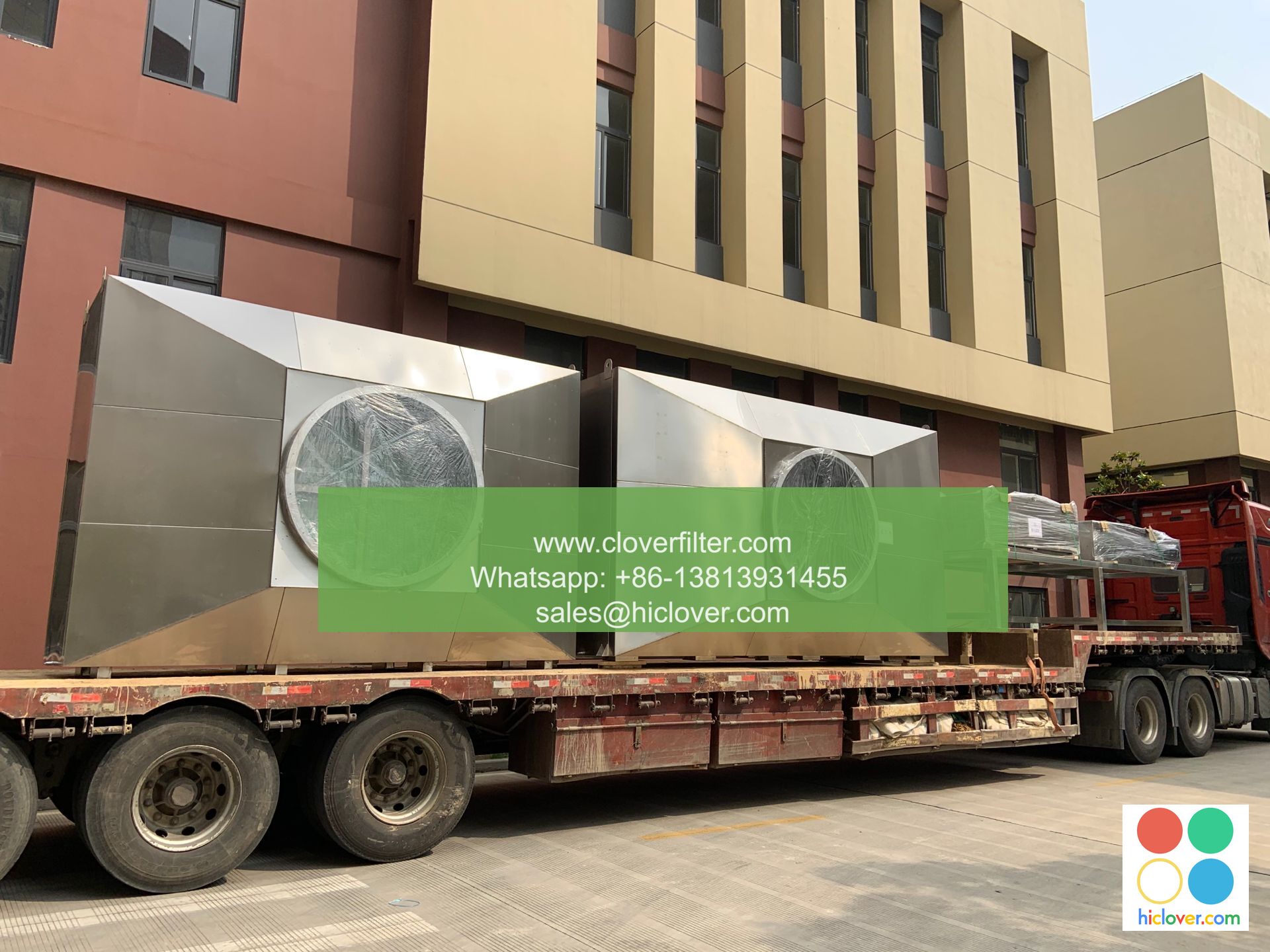
The use of smart air filters has become increasingly popular in recent years due to their ability to provide a healthier indoor air quality and energy efficiency. This article aims to provide an in-depth analysis of the benefits of using smart air filters in various application areas, including residential, commercial, and industrial settings.
Introduction to Smart Air Filters
Smart air filters are designed to capture particulate matter, gases, and odors from the air, improving the overall indoor air quality. These filters use advanced technologies such as nanofiltration, UV light, and activated carbon to remove pollutants and allergens from the air. Smart air filters can be integrated with smart home systems and building management systems to provide real-time monitoring and control of indoor air quality.
Benefits of Smart Air Filters
The use of smart air filters offers several benefits, including:
* Improved indoor air quality: Smart air filters can remove up to 99.97% of particulate matter and gases from the air, providing a healthier indoor environment.
* Energy efficiency: Smart air filters can help reduce energy consumption by optimizing heating and cooling systems and reducing the need for ventilation.
* Increased productivity: By providing a healthier indoor environment, smart air filters can improve productivity and concentration in workplaces and schools.
* Reduced maintenance: Smart air filters can be designed to self-clean and self-monitor, reducing the need for regular maintenance.
Application Areas of Smart Air Filters
Smart air filters can be used in various application areas, including:
* Residential settings: Smart air filters can be used in homes to improve indoor air quality and reduce allergy symptoms.
* Commercial settings: Smart air filters can be used in offices, restaurants, and hotels to improve indoor air quality and customer satisfaction.
* Industrial settings: Smart air filters can be used in manufacturing facilities and warehouses to improve indoor air quality and reduce worker exposure to hazardous substances.

Conclusion
In conclusion, the use of smart air filters offers several benefits, including improved indoor air quality, energy efficiency, increased productivity, and reduced maintenance. With their advanced technologies and versatile application areas, smart air filters are an ideal solution for residential, commercial, and industrial settings. As the demand for healthier indoor environments continues to grow, the use of smart air filters is expected to become increasingly popular in the coming years.
Recommendations
Based on the analysis, we recommend the use of smart air filters in various application areas to improve indoor air quality and reduce energy consumption. Additionally, we recommend further research on the cost-effectiveness and environmental impact of smart air filters to promote their widespread adoption.
Future Directions
The future of smart air filters looks promising, with emerging technologies such as artificial intelligence and Internet of Things (IoT) expected to play a key role in their development. As the indoor air quality market continues to grow, we can expect to see more innovative solutions and applications of smart air filters in the coming years. It seems like you forgot to include the prompt. Please go ahead and provide the prompt or question you’d like help with, and I’ll be more than happy to assist you!
