The Benefits of UV Air Filters for Infection Control
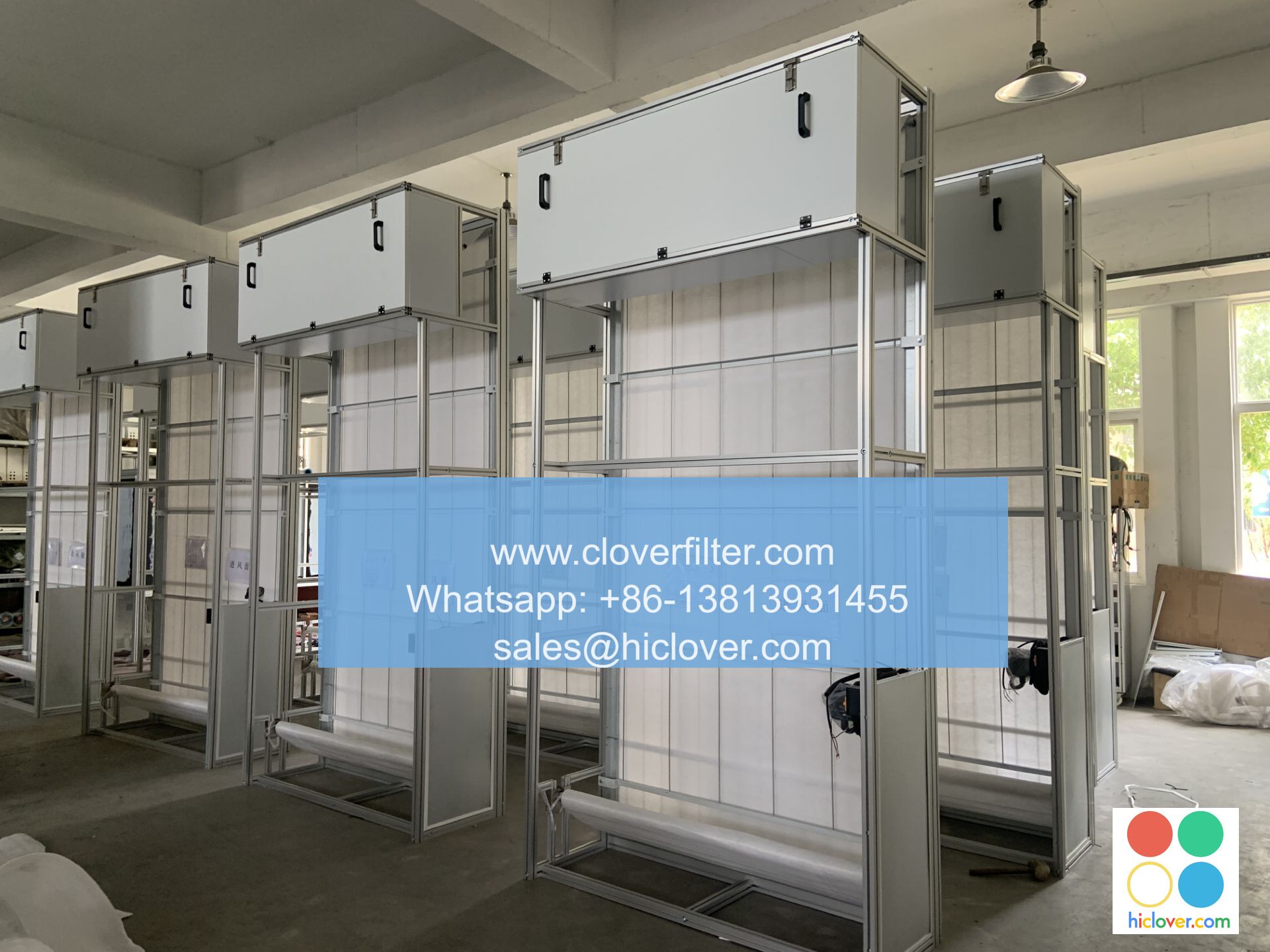
Infection control is a critical aspect of maintaining a healthy and safe environment, particularly in healthcare facilities, schools, and other public spaces. One effective way to prevent the spread of airborne pathogens is by using UV air filters, which utilize ultraviolet germicidal irradiation (UVGI) technology to eliminate microorganisms. In this article, we will explore the benefits of UV air filters for infection control, highlighting their air purification capabilities and various application areas.
How UV Air Filters Work
UV air filters use UV-C light to inactivate airborne microorganisms, including bacteria, viruses, and fungi. The UV-C light disrupts the DNA of these microorganisms, rendering them unable to replicate and cause infection. This technology is particularly effective against influenza viruses, noroviruses, and tuberculosis bacteria. By integrating UV air filters into heating, ventilation, and air conditioning (HVAC) systems, facilities can significantly reduce the risk of airborne infections.
Benefits of UV Air Filters
The benefits of UV air filters for infection control are numerous. Some of the key advantages include:
* Inactivation of airborne pathogens: UV air filters can eliminate up to 99.9% of airborne microorganisms, reducing the risk of infection transmission.
* Improved indoor air quality (IAQ): By removing airborne pollutants and microorganisms, UV air filters can improve overall air quality, reducing the risk of respiratory problems and other health issues.
* Reduced transmission of diseases: UV air filters can help prevent the spread of airborne diseases, such as influenza and COVID-19, in healthcare facilities, schools, and other public spaces.
* Low maintenance and energy efficiency: UV air filters are relatively low maintenance and energy-efficient, making them a cost-effective solution for infection control.
Application Areas for UV Air Filters
UV air filters have a wide range of applications in various industries, including:
* Healthcare facilities: Hospitals, clinics, and nursing homes can benefit from UV air filters to prevent the spread of airborne infections and maintain a sterile environment.
* Schools and universities: Educational institutions can use UV air filters to reduce the transmission of airborne illnesses, such as influenza and common colds.
* Public transportation: UV air filters can be installed in airplanes, buses, and trains to reduce the risk of airborne infection transmission.
* Commercial buildings: Offices, restaurants, and retail stores can benefit from UV air filters to improve indoor air quality and reduce the risk of airborne infections.

Conclusion
In conclusion, UV air filters are a highly effective solution for infection control, offering numerous benefits, including inactivation of airborne pathogens, improved indoor air quality, and reduced transmission of diseases. With their low maintenance and energy efficiency, UV air filters are a cost-effective solution for various industries, including healthcare, education, transportation, and commercial buildings. By integrating UV air filters into their air purification systems, facilities can create a safer and healthier environment for occupants, reducing the risk of airborne infections and promoting overall well-being. It seems like you forgot to include the actual prompt. Could you please provide more details or specify what you would like to talk about or ask? I’m here to help with any questions or topics you have in mind.
