The Best Air Filter Platforms for Hospitals and Healthcare Facilities
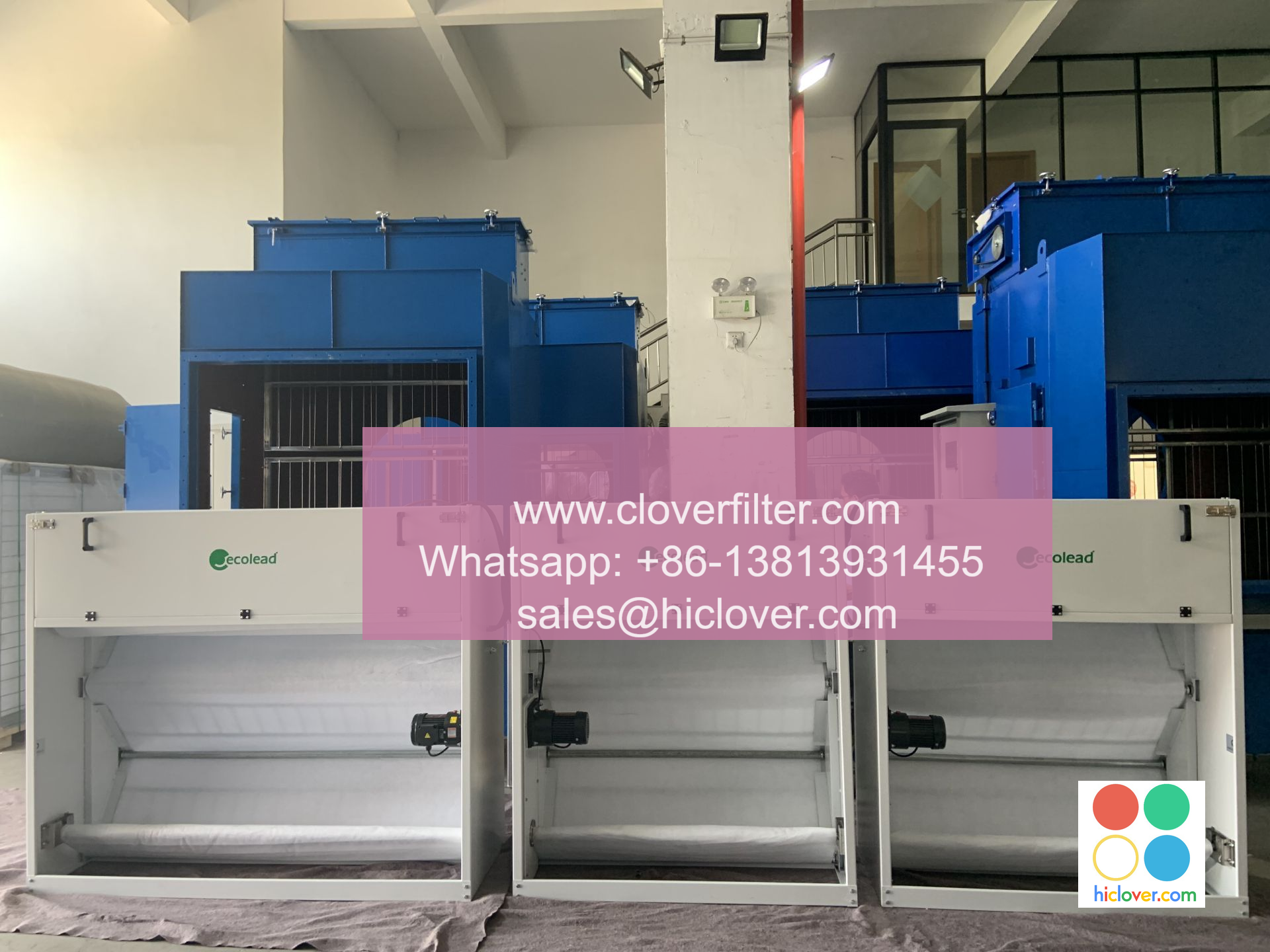
Hospitals and healthcare facilities are critical environments where air quality plays a vital role in patient health and safety. As medical institutions continue to evolve and adapt to new challenges, the importance of air filtration cannot be overstated. In this article, we will explore some of the best air filter platforms available for hospitals and healthcare facilities, highlighting their features and application areas.
1. HEPA Filters: The Gold Standard in Air Filtration

High-Efficiency Particulate Air (HEPA) filters are widely recognized as the gold standard for air filtration in healthcare settings. They are capable of capturing 99.97% of particles larger than 0.3 microns, including dust, pollen, smoke, and even bacteria. Healthcare facilities utilize HEPA filters in:
- Operating rooms
- Patient isolation rooms
- Intensive care units (ICU)
The efficiency of HEPA filters makes them indispensable in controlling airborne infections and ensuring a safe environment for both patients and staff.
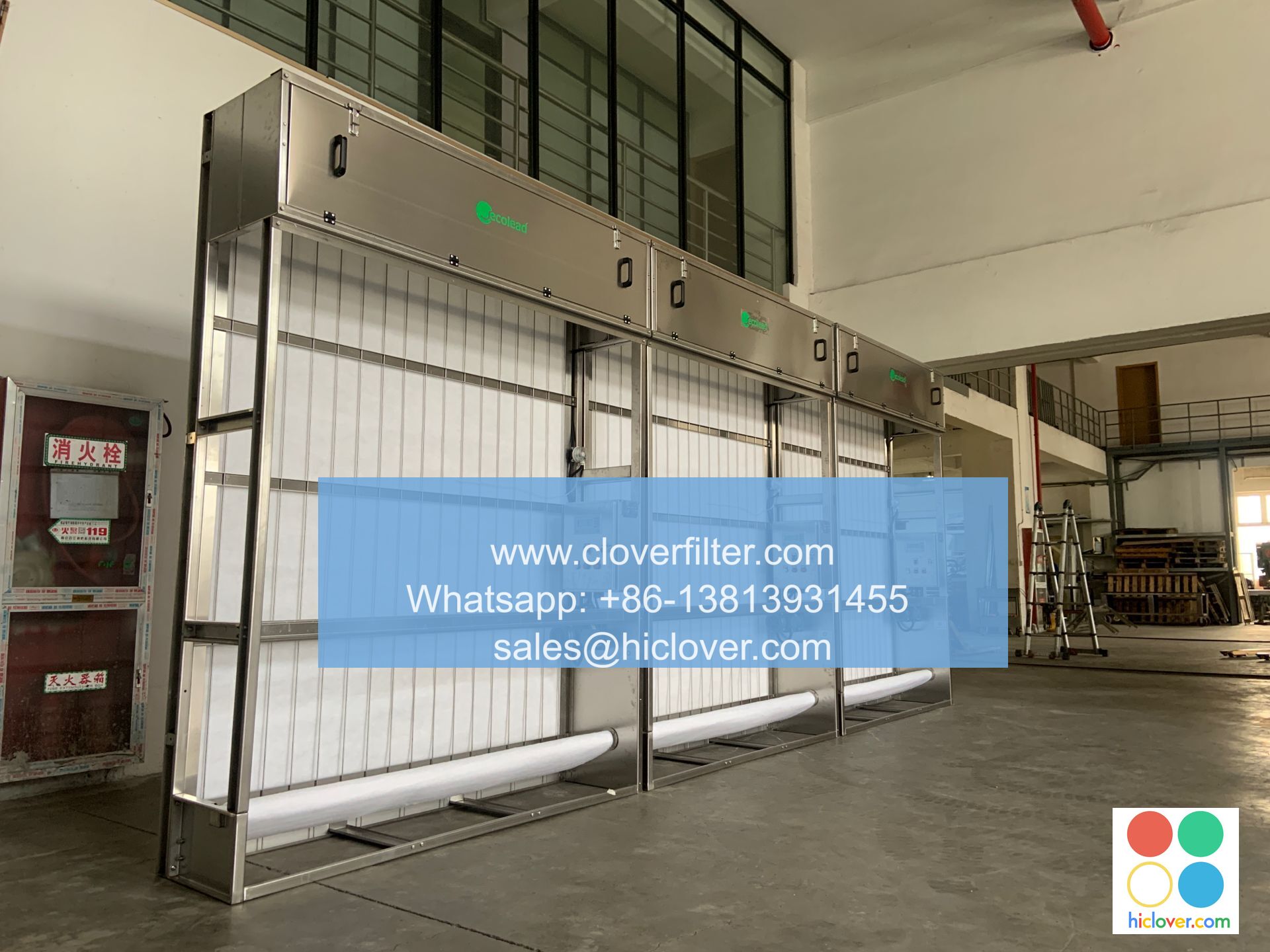
2. MERV Filters: Versatile Performance for Various Applications
Minimum Efficiency Reporting Value (MERV) filters are designed to trap a wide range of particulate sizes. Hospitals often use MERV filters in different layers of their ventilation systems:
- MERV 8-11 for general hospital rooms
- MERV 13-16 for surgical and critical care areas
These filters help reduce the spread of allergens, viruses, and bacteria, making them essential in maintaining air quality throughout healthcare facilities.
3. UV-C Air Purifiers: Advanced Disinfection Technology
UV-C air purifiers harness the power of ultraviolet light to kill airborne pathogens. They are especially beneficial in:
- Waiting rooms
- Emergency departments
- Rehabilitation centers
By effectively neutralizing viruses and bacteria, UV-C air purifiers enhance the safety of high-traffic areas within hospitals.
4. Chemical Filtration Systems: Handling VOCs and Odors
Healthcare settings may contain volatile organic compounds (VOCs) and other harmful chemicals that can affect indoor air quality. Chemical filtration systems, including activated carbon filters, are effective at adsorbing odors and VOCs, and they are particularly useful in:
- Pharmaceutical areas
- Laboratories
- Maintenance rooms
These systems ensure that hospitals maintain a clean, safe environment for both patients and staff by filtering out harmful airborne chemicals.
5. Smart Air Quality Monitors: Data-Driven Decisions
Modern healthcare facilities are increasingly incorporating smart air quality monitors into their systems. These devices provide real-time data on particulate levels, humidity, temperature, and overall air quality. Their application areas include:
- System maintenance management
- Energy efficiency in HVAC systems
- Compliance with health regulations
By facilitating data-driven decisions, smart air quality monitors play a crucial role in maintaining optimal air quality standards in hospitals.
Conclusion
Choosing the right air filter platform is essential for hospitals and healthcare facilities to ensure a safe, clean, and healthy environment for patients and staff. With options ranging from HEPA and MERV filters to advanced UV-C purifiers and chemical filtration systems, healthcare administrators have various tools at their disposal to combat airborne contaminants. Incorporating these technologies not only improves indoor air quality but also enhances overall patient care and safety.
It seems like you’re looking for a prompt! Could you clarify what kind of prompt you need? For example, are you looking for a writing prompt, a creative idea, a discussion topic, or something else? Let me know so I can assist you better!
