The Chemistry of Air Filtration: How Automatic Roll Air Filters Improve Air Quality in Food Biotech Labs: Charlottetown Insights
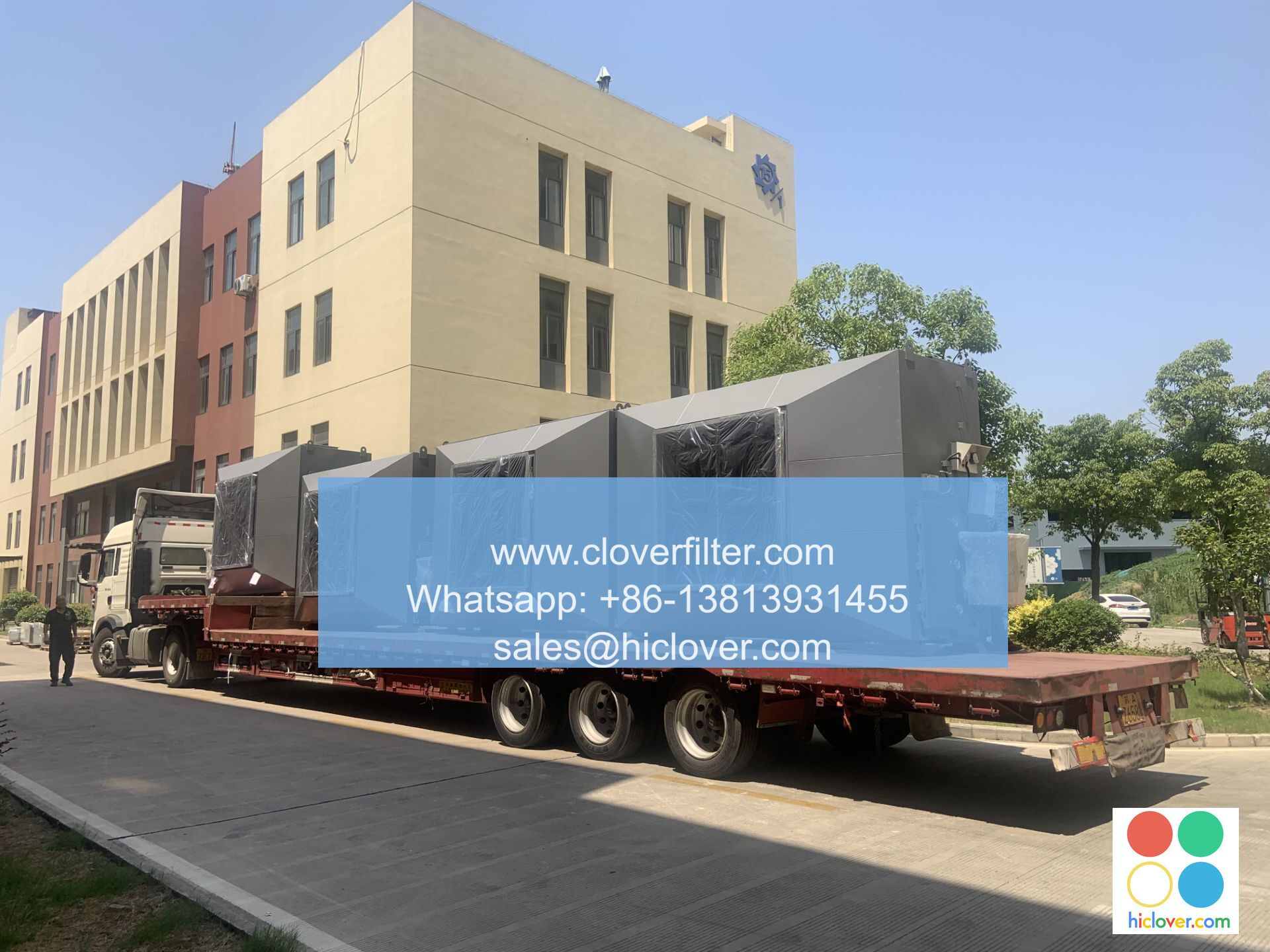
The Chemistry of Air Filtration
In the specialized domain of food biotechnology labs, maintaining a pristine environment is paramount. The quality of air significantly impacts both the safety and efficacy of experiments conducted in these facilities. Among the tools employed for ensuring optimal air quality, automatic roll air filters have emerged as a pivotal technology. These advanced systems not only enhance the environment but also focus on the chemistry underlying air filtration processes, leading to better outcomes in food biotech applications.

Understanding Air Composition and Contaminants
The air we breathe is a complex mixture, primarily consisting of nitrogen (78%), oxygen (21%), and trace amounts of other gases, including carbon dioxide, argon, and various others. However, in a food biotech laboratory, the presence of particulate matter, volatile organic compounds (VOCs), bacteria, and other contaminants can undermine research and product quality. Automated roll air filters are engineered to combat these challenges through advanced filtration technologies.
Functionality of Automatic Roll Air Filters
Automatic roll air filters operate using a series of mechanisms designed to capture a broad spectrum of airborne contaminants. The primary components include pre-filters for larger particles, HEPA (High-Efficiency Particulate Air) filters for smaller particulates, and activated carbon filters that adsorb VOCs and odors. These systems are programmable and self-cleaning, which minimizes operator intervention and ensures consistent air quality.
The Chemistry Behind Filtration
At the heart of air filtration is the science of adsorption and absorption. In filtration media like activated carbon, the porous structure provides a vast surface area for harmful molecules to adhere. This is where the chemistry of air filtration becomes critical. The effectiveness of a filter is often quantified through its ability to capture specific contaminants based on their molecular weight and size. For instance, HEPA filters are capable of trapping particles as small as 0.3 microns with an efficiency of 99.97%, effectively removing allergens, dust, and certain bacteria.

Benefits of Improved Air Quality in Food Biotech Labs
Maintaining high air quality is essential in food biotech labs not just for regulatory compliance but also for genuine innovation. Clean air prevents contamination, ensures accurate results, and safeguards the health of researchers. This is particularly vital when developing probiotic foods or cultivating genetically modified organisms (GMOs), where any airborne contaminant may derail extensive research efforts or impact product safety.
Charlottetown Insights
In Charlottetown, where the biotech industry is burgeoning, the implementation of automatic roll air filters has become increasingly common. Local labs are harnessing these technologies to uphold rigorous standards of cleanliness and efficacy. The cooperation among biotech firms, regulators, and environmental scientists in Charlottetown underscores the importance of investing in air filtration technologies. These investments not only support local economies but also elevate the global reputation of the region in biotech excellence.
Conclusion
The chemistry of air filtration plays a critical role in ensuring the integrity of food biotech labs. Automatic roll air filters represent a fusion of advanced technology and scientific principles aimed at improving air quality. As facilities in places like Charlottetown continue to adapt and implement these solutions, the benefits are set to extend beyond laboratory settings, impacting public health and safety in the food industry at large.
FAQs
Q1: How often should automatic roll air filters be replaced?
A1: It depends on usage and filter type, but generally, they should be checked and replaced every 6-12 months for optimal performance.
Q2: Can automatic roll air filters eliminate all air contaminants?
A2: While they significantly reduce airborne contaminants, complete elimination is often not feasible. Regular monitoring and maintenance are essential.
Q3: What is the cost associated with installing automatic roll air filters?
A3: Costs can vary widely based on the size of the facility and the complexity of the system, but many labs view it as a worthwhile investment for air quality improvement.
