The Complexity of Air Filter Reverse Logistics
- Key Takeaways:
- Understanding air filter logistics is essential for efficient reverse logistics.
- Automatic Roll Air Filters provide significant advantages over traditional filter types.
- Correct sizing and selection can optimize HVAC performance.
- Common pitfalls can lead to increased operational costs and inefficiencies.
- Maintaining compliance with industry standards ensures reliable air quality management.
What is an Automatic Roll Air Filter?

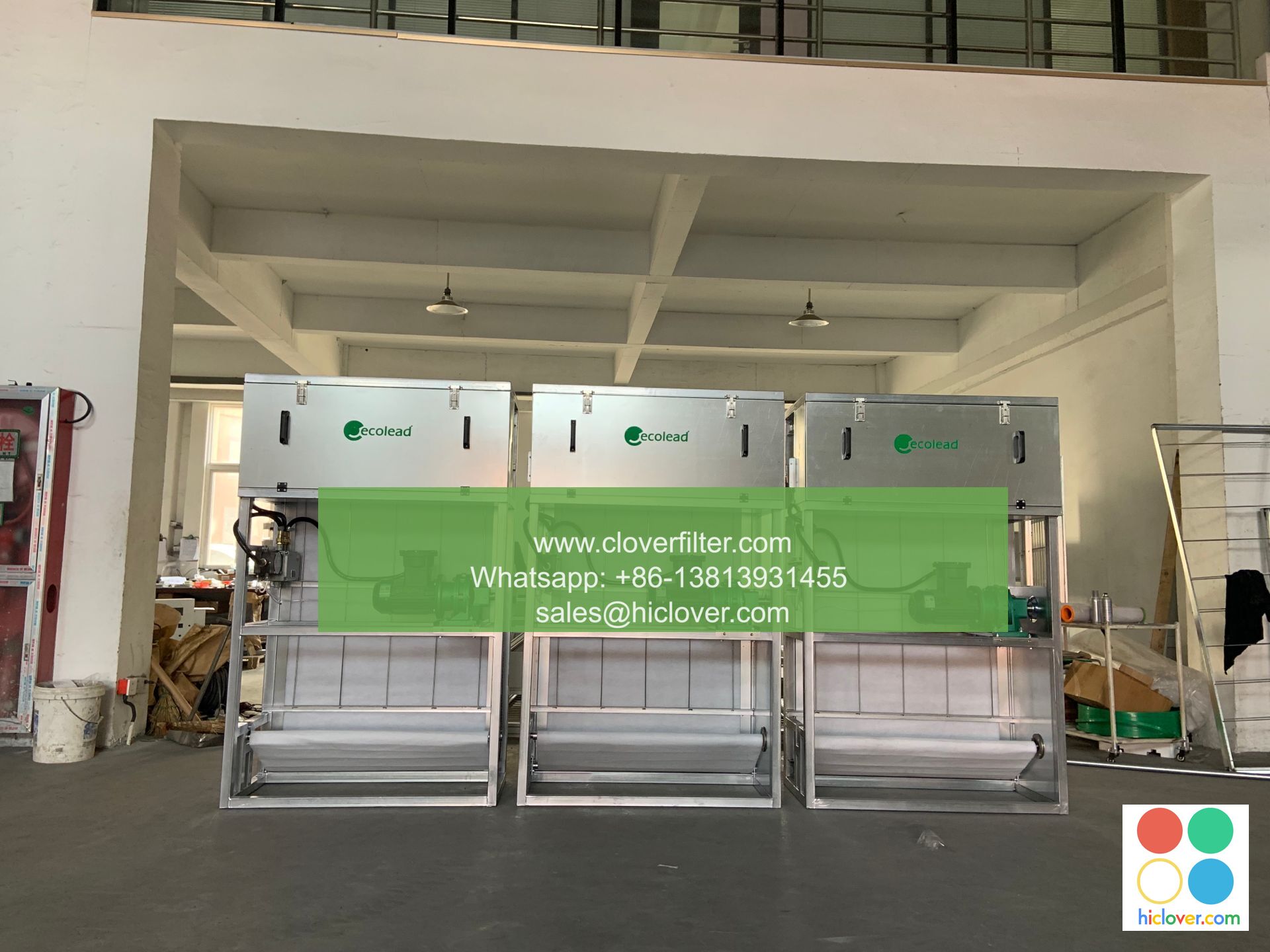
An Automatic Roll Air Filter is an innovative air filtration solution designed to enhance the performance and efficiency of HVAC systems. This filter employs a continuous roll of media that advances automatically, reducing the need for manual replacements and maintenance. The system operates based on a differential pressure trigger, ensuring optimal air quality by regularly managing the filter’s media tension and eliminating contamination effectively.
When integrated within HVAC/AHU systems, an Automatic Roll Air Filter helps maintain consistent airflow while safeguarding against particulate contamination. Their unique roll media advance logic provides a seamless transition between filter changes, drastically reducing downtime while improving overall system efficiency.
Air Filter Logistics: The Essentials
Air filter logistics involve the entire process of ordering, managing, and disposing of filters, particularly in industrial applications where air quality is critical. Effective logistics strategies ensure timely shipments, optimal storage, and efficient reverse logistics for filter disposal or recycling. With the growing emphasis on sustainability, optimizing air filter logistics is more important than ever for procurement managers and facility engineers.
Selecting the Right Automatic Roll Air Filter

Choosing the right Automatic Roll Air Filter is crucial for effective HVAC performance. Here’s a practical selection guide to ensure you choose the right product:
- Airflow Range: Identify the requirements of your system. Automatic Roll Air Filters typically support a wide range tailored to specific applications.
- Face Velocity: Adjust according to the specific needs of fresh air intake, return air handling, or direct process application.
- Media Width/Length: Evaluate the physical dimensions based on installation space constraints and airflow requirements.
- Frame Size: Ensure that the frame dimensions fit snugly within the AHU or HVAC system.
- Control Options: Look for filters with various control settings, including differential pressure and timer modes to optimize performance.
- Power Supply: Confirm compatibility with existing power setups within your facility.
- Installation Location: Determine the best placement for fresh air intake, return, or process applications.
Comparison Table: Air Filter Types
| Filter Type | Best Use Case | Maintenance | Pressure Drop Behavior | Operating Cost | Typical Risk/Downside |
|---|---|---|---|---|---|
| Automatic Roll Filter | Continuous operations | Low | Low | Moderate to low | Initial acquisition cost |
| Bag Filter | Heavy particulate loads | Moderate | Moderate | Moderate | Higher pressure drop |
| Panel Filter | Light to moderate loads | High | High | Moderate | Frequent replacements |
| V-bank | Versatile/high-efficiency | Moderate | Low | Higher than panels | Filtration media cost |
Common Mistakes & How to Avoid Them
- Overly Complicated Designs: Opt for simplicity wherever possible; complex filters can complicate maintenance.
- Inadequate Sizing: Ensure accurate measurements to avoid oversizing or undersizing filters.
- Neglecting Maintenance: Create a schedule for regular inspections to avoid unexpected failures.
- Ignoring Pressure Changes: Always monitor and adjust for differential pressure variations that can affect airflow.
- Wrong Application: Not matching the filter type to the specific environment can lead to inefficiencies.
- Poor Lifecycle Management: Develop an effective reverse logistics plan for managing used filters.
- Disregard for Compliance: Maintain awareness of industry standards to ensure reliable operation.
Real-World Scenarios
-
Data Center: In a recent deployment within a large data center, an Automatic Roll Air Filter ensured continuous airflow while minimizing dust accumulation on critical hardware. This maintained ideal operating conditions and improved server performance.
-
Lithium Battery Factory: A lithium battery manufacturer integrated CloverFilter’s systems to enhance air quality in their production areas, significantly reducing incident rates of contamination and improving product yield.
-
Paint Shop: In a large paint booth operation, the installation of Automatic Roll Air Filters helped control airborne particulates, resulting in a cleaner workspace and a higher quality finish on painted products.
-
Textile/Cement Plant: A textile and cement plant benefited from the energy savings provided by Automatic Roll Air Filters, leading to reduced operational costs and enhanced particulate control, ultimately resulting in better compliance with environmental regulations.
Conclusion
Understanding and implementing effective air filter logistics can drastically impact operations in any industrial setting. Choosing the right Automatic Roll Air Filter, such as those from CloverFilter, combined with a well-planned logistics strategy, ensures not only current operational efficiency but also long-term sustainability. Make informed decisions today to enhance your air filtration systems.
Meta Description: Discover the complexity of air filter logistics and learn how Automatic Roll Air Filters optimize HVAC efficiency, maintaining compliance with industry standards.
For more information on optimizing your air filter logistics, connect with CloverFilter through our contact page.
Sure! What would you like a prompt about? You can specify a theme, genre, or any other details to help guide the content.
