The Cost-Benefit Analysis of Automatic Roll Air Filters in Regina’s Chemical Production
In the city of Regina, the chemical production industry is a significant contributor to the local economy. However, this industry also poses significant environmental and health risks due to the emissions of harmful pollutants. One way to mitigate these risks is through the use of air filtration systems, specifically automatic roll air filters. In this article, we will examine the cost-benefit analysis of implementing automatic roll air filters in Regina’s chemical production industry.
The chemical production industry in Regina involves the manufacture of various chemical products, including petrochemicals, fertilizers, and pesticides. These processes emit harmful pollutants, such as particulate matter, sulfur dioxide, and nitrogen oxides, into the air. If left uncontrolled, these emissions can have severe environmental and health impacts, including respiratory problems, cancer, and damage to crops and ecosystems. To minimize these risks, the industry must adopt effective air pollution control measures, such as automatic roll air filters.

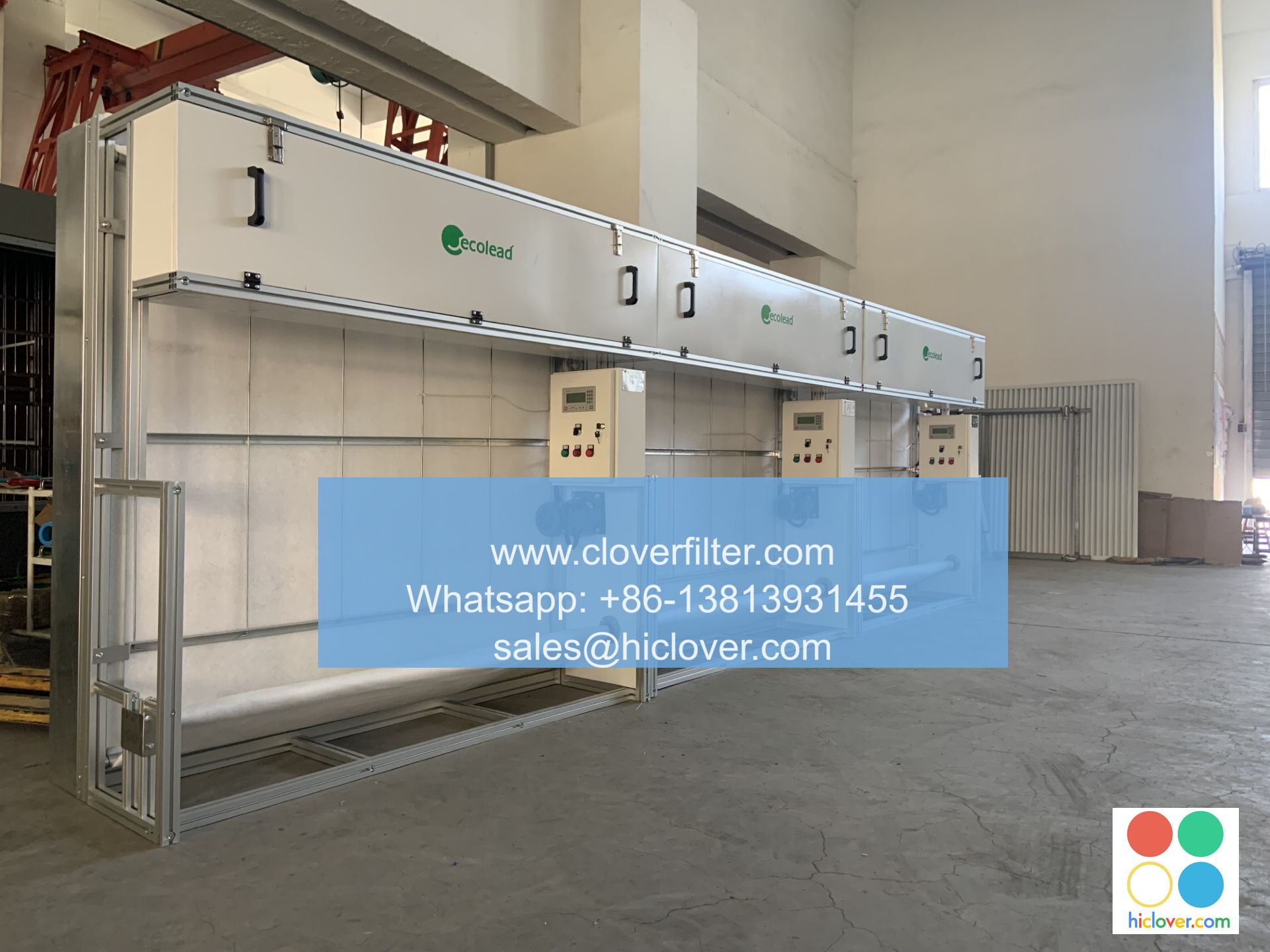
Automatic roll air filters are designed to capture particulate matter and other pollutants from the air, preventing them from being released into the atmosphere. These filters are made of a continuous roll of filter media, which is automatically advanced as it becomes dirty, ensuring a consistent and high level of air quality. The benefits of using automatic roll air filters in Regina’s chemical production industry are numerous. Firstly, they can significantly reduce the emissions of harmful pollutants, thereby minimizing the environmental and health impacts of the industry. Secondly, they can help the industry to comply with air quality regulations and standards, avoiding costly fines and penalties. Finally, they can improve the efficiency and productivity of the industry, by reducing the need for manual filter maintenance and replacement.
Despite these benefits, there are also costs associated with the implementation of automatic roll air filters in Regina’s chemical production industry. The initial cost of purchasing and installing these filters can be high, particularly for large-scale industrial operations. Additionally, there may be ongoing costs associated with the maintenance and replacement of the filter media, as well as the energy required to operate the filters. However, these costs can be offset by the long-term benefits of improved air quality, reduced regulatory compliance costs, and increased productivity.
A cost-benefit analysis of automatic roll air filters in Regina’s chemical production industry would involve comparing the costs of implementation with the benefits of improved air quality and regulatory compliance. This analysis would take into account the initial and ongoing costs of the filters, as well as the costs of alternative air pollution control measures. It would also consider the benefits of improved air quality, including the avoidance of environmental and health impacts, and the economic benefits of increased productivity and competitiveness. By conducting such an analysis, industry stakeholders and policymakers can make informed decisions about the adoption of automatic roll air filters in Regina’s chemical production industry.
In conclusion, the implementation of automatic roll air filters in Regina’s chemical production industry can have significant environmental, health, and economic benefits. While there are costs associated with the adoption of these filters, they can be offset by the long-term benefits of improved air quality, reduced regulatory compliance costs, and increased productivity. As the industry continues to grow and evolve, it is essential that stakeholders and policymakers prioritize the adoption of effective air pollution control measures, such as automatic roll air filters, to minimize the environmental and health impacts of the industry.
Frequently Asked Questions
Q: What are automatic roll air filters, and how do they work?
Automatic roll air filters are designed to capture particulate matter and other pollutants from the air, preventing them from being released into the atmosphere. They consist of a continuous roll of filter media, which is automatically advanced as it becomes dirty, ensuring a consistent and high level of air quality.
Q: What are the benefits of using automatic roll air filters in Regina’s chemical production industry?
The benefits of using automatic roll air filters in Regina’s chemical production industry include reduced emissions of harmful pollutants, improved regulatory compliance, and increased productivity and efficiency.
Q: What are the costs associated with the implementation of automatic roll air filters in Regina’s chemical production industry?
The costs associated with the implementation of automatic roll air filters in Regina’s chemical production industry include the initial cost of purchasing and installing the filters, ongoing maintenance and replacement costs, and energy costs.
Q: How can industry stakeholders and policymakers make informed decisions about the adoption of automatic roll air filters in Regina’s chemical production industry?
Industry stakeholders and policymakers can make informed decisions about the adoption of automatic roll air filters in Regina’s chemical production industry by conducting a cost-benefit analysis, which compares the costs of implementation with the benefits of improved air quality and regulatory compliance.
