The Cost-Effectiveness of High-Quality Air Filters
Key Takeaways
- Understand the importance of air filter support in maintaining air quality.
- Automatic Roll Air Filters provide advanced particulate control and energy savings.
- Consider airflow range, face velocity, and installation location during selection.
- Compare various types of air filters to choose the best option for specific applications.
- Avoid common mistakes that can lead to higher maintenance costs and efficiency loss.
- Real-world scenarios illustrate effective use of Automatic Roll Air Filters across industries.
- Compliance with ISO standards and MERV ratings guides filter performance evaluation.
- Airflow Range: Ensure your filter can handle the required volume of air. This typically ranges from 500 to 10,000 CFM (cubic feet per minute).
- Face Velocity: The filter should accommodate a face velocity of 300 to 600 feet per minute (FPM) to maximize efficiency.
- Media Width/Length: Media dimensions vary by application. Standard sizes range from 24 inches to 72 inches in length.
- Frame Size: Choose a frame that fits your AHU specifications, with options like 2-inch, 4-inch, or thicker frames.
- Control Options: Automation features can include manual, timer-based, or sensor-driven controls.
- Power Supply: Consider whether a standard outlet or custom wiring is necessary for your setup.
- Installation Location: Assess whether the installation will occur at fresh air intake, return air, or process air locations.
- Overlooking airflow requirements, leading to ineffective filtration.
- Failing to choose the right size, risking insufficient sealing.
- Avoiding automated control options, which can enhance efficiency.
- Neglecting to conduct regular inspections for differential pressure.
- Assuming all filters are equal without considering specific performance standards (ISO 16890, MERV).
- Choosing the cheapest option, which can result in long-term costs.
- Not customizing installation to specific environmental conditions.
- Underestimating the impact of humidity and temperature on filtration efficiency.
- Ignoring the importance of proper sealing during installation.
- Failing to train staff on maintenance best practices.

What is an Automatic Roll Air Filter?
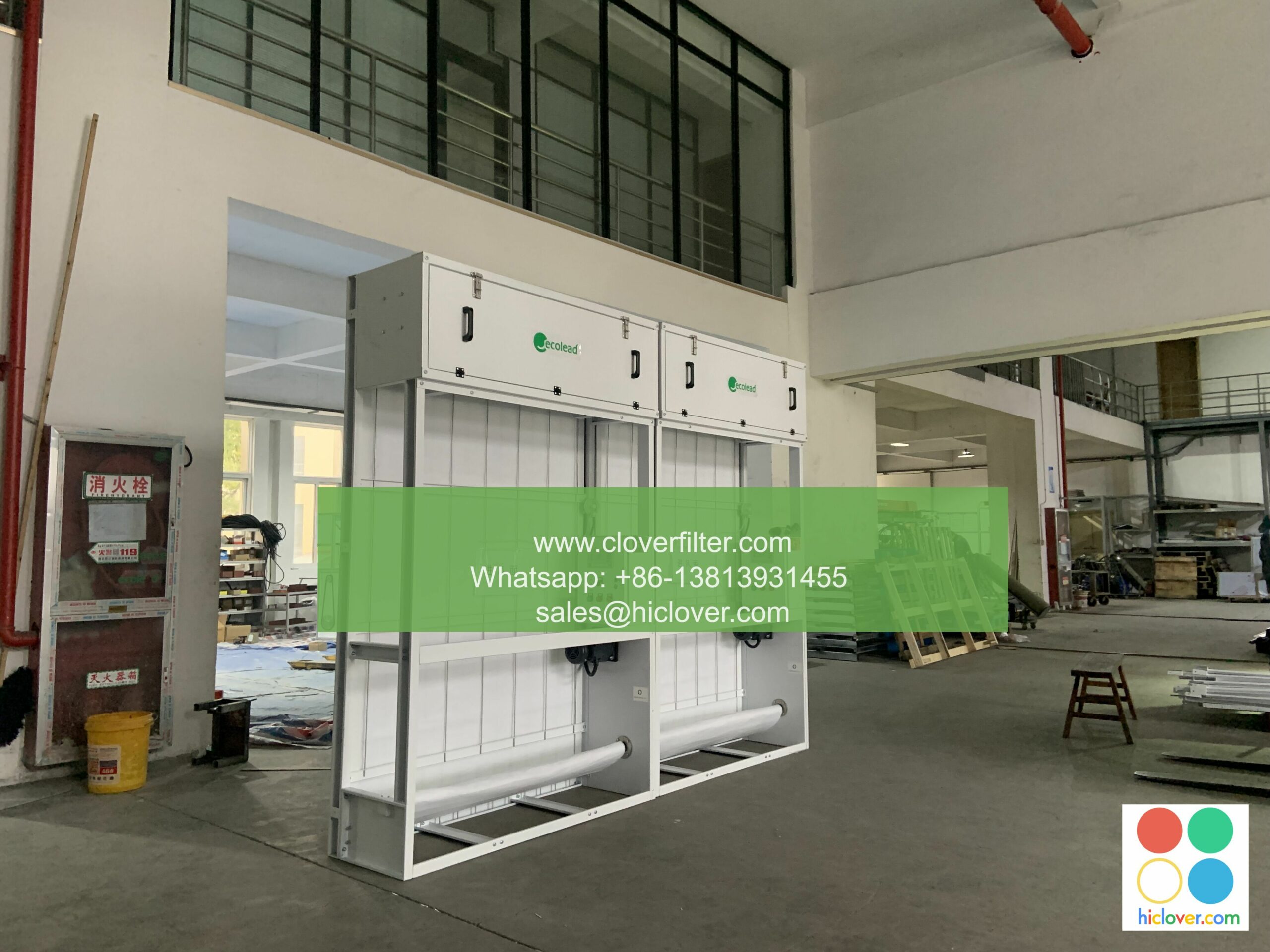
An Automatic Roll Air Filter is an innovative air filtration solution designed for HVAC systems, particularly in large, industrial environments. Utilizing roll media, these filters operate on a unique advance logic mechanism wherein a continuous strip of filter media is automatically rolled forward. This setup allows for consistent and effective particulate control while minimizing maintenance needs.

The technology operates based on a differential pressure trigger. When the filter becomes clogged, airflow resistance increases, signaling the need for a media replacement. Additionally, the timer mode enables predictive maintenance, reducing both downtime and operational costs. These features make the Automatic Roll Air Filter ideal for diverse applications, including hospitals, data centers, and factories.
Integrating Air Filter Support in HVAC Systems
Air filter support is essential for ensuring that HVAC systems operate efficiently. The placement of Automatic Roll Air Filters can be strategically positioned as fresh air intakes or return air filters within air handling units (AHUs) to optimize airflow quality. These filters fit seamlessly into existing systems and can be tailored to specific operational needs, such as those required in lithium battery plants or painting booths.
Selection Guide for Automatic Roll Air Filters
When considering an Automatic Roll Air Filter for your facility, it’s crucial to evaluate several factors:
Comparison of Air Filter Types
| Filter Type | Best Use Case | Maintenance | Pressure Drop Behavior | Operating Cost | Typical Risk/Downside |
|---|---|---|---|---|---|
| Automatic Roll Air Filter | High-traffic indoor environments | Low | Consistent | Moderate | Initial cost can be high |
| Bag Filter | General HVAC and commercial applications | Moderate | Unpredictable | Low | Less effective for fine particulates |
| Panel Filter | Residential and light commercial use | High | Stable | Low | Frequent replacements needed |
| V-bank Filter | High-efficiency industrial applications | Moderate | Variable | Moderate to High | Requires specific mounting |
Common Mistakes & How to Avoid Them
Real-World Scenarios
1. Data Center
A major tech company implemented Automatic Roll Air Filters in their data center’s make-up air handling system. This choice reduced particulate accumulation on server hardware, improving both performance and cooling efficiency while significantly lowering energy costs.
2. Battery Factory
In a lithium battery manufacturing facility, the introduction of Automatic Roll Air Filters helped maintain stringent particulate control standards necessary for producing high-quality batteries, resulting in decreased defects and waste.
3. Paint Shop
A large automotive paint shop upgraded to Automatic Roll Air Filters to manage VOCs and overspray effectively. The advanced filtration technology enhanced indoor air quality and compliance with environmental regulations without increasing operational costs.
4. Textile and Cement Plants
Textile and cement production environments benefited from the energy-saving capabilities of Automatic Roll Air Filters. The filters improved overall air quality while reducing maintenance downtime, allowing for smoother operations and compliance with industry standards.
FAQ Section
Q1: How does an Automatic Roll Air Filter function?
A: It uses an advancing roll media mechanism that automatically replaces the filter material as it becomes clogged, triggered by differential pressure.
Q2: What types of environments are best suited for Automatic Roll Air Filters?
A: They are ideal for industrial settings such as data centers, manufacturing plants, and cleanrooms, where air quality is critical.
Q3: How often should I replace the filter media?
A: Replacement is dependent on usage and environmental conditions, but automated systems can highlight maintenance needs.
Q4: Are Automatic Roll Air Filters energy-efficient?
A: Yes, they significantly reduce energy consumption due to lower pressure drop characteristics, leading to lower HVAC operating costs.
Q5: Can these filters meet compliance standards?
A: While Automatic Roll Air Filters can comply with industry standards, specific certifications are available upon request.
Q6: What is the typical cost of an Automatic Roll Air Filter system?
A: Costs vary based on size, customization, and installation needs; contacting suppliers for quotes is recommended for accurate pricing.
Meta Description: Discover the cost-effectiveness of high-quality air filters for industrial applications with CloverFilter’s Automatic Roll Air Filter solutions.
For more information on enhancing your facility’s air quality, contact CloverFilter at CloverFilter Contact.
It seems like your message is incomplete. Could you please provide more details or clarify what you need a prompt for? Whether it’s for writing, brainstorming, a specific topic, or any other purpose, I’m here to help!
