The Different Types of Air Filter Groups: A Guide
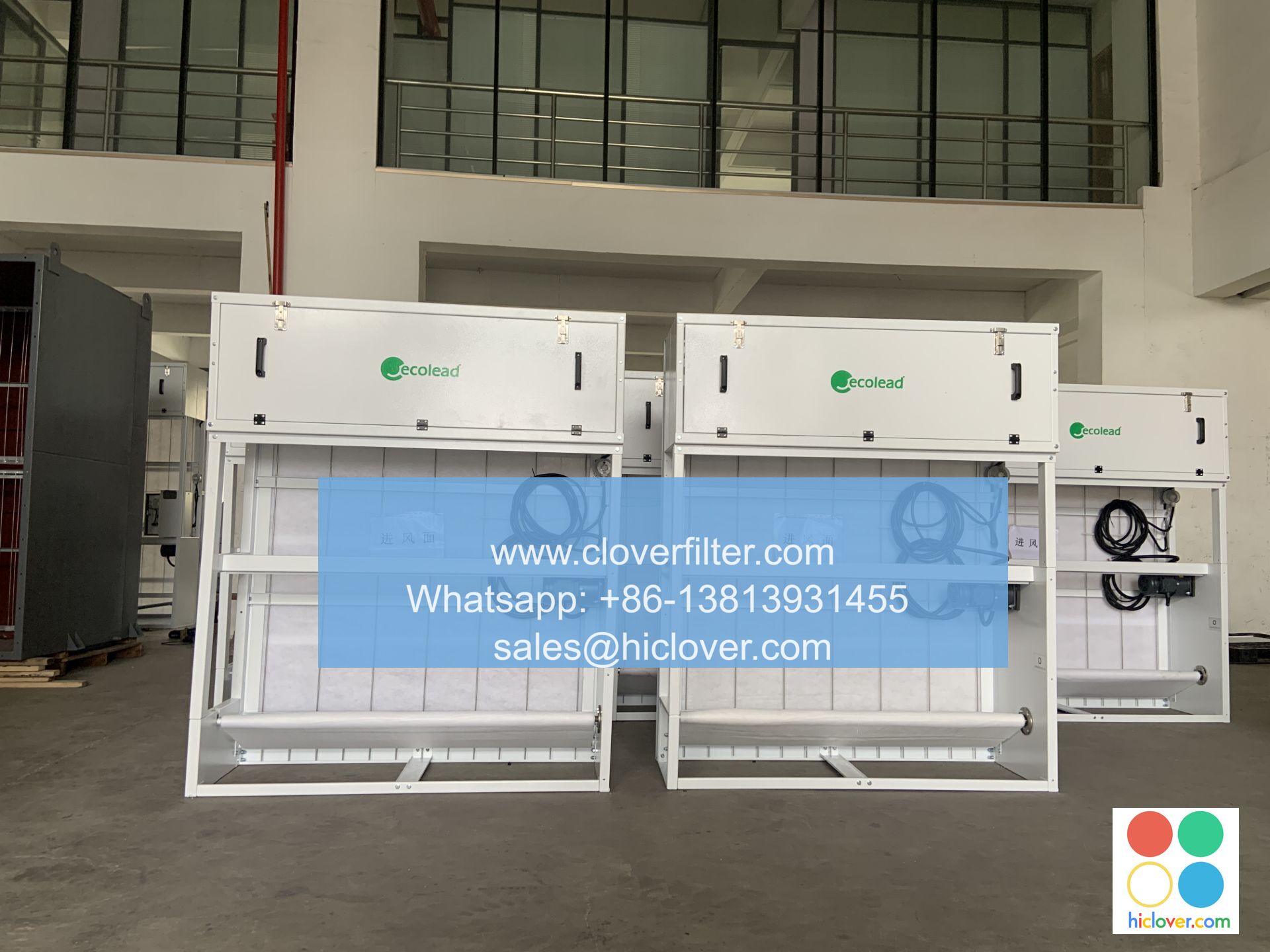
Air filters play a crucial role in maintaining indoor air quality by trapping airborne contaminants. With a variety of air filter groups available, each designed for specific applications, understanding these can help you make an informed choice. This guide will explore the different types of air filter groups and their suitable applications.
1. Mechanical Air Filters

Mechanical air filters operate by physically trapping particles through a mesh or fibrous material. They are classified into several categories:
1.1 HEPA Filters
High-Efficiency Particulate Air (HEPA) filters are designed to capture at least 99.97% of particles that are 0.3 microns in diameter. Their exceptional filtration capacity makes them ideal for use in:
- Residential settings to improve indoor air quality
- Healthcare facilities to prevent airborne infections
- Laboratories requiring strict control of particulates
- HVAC systems to maintain efficient airflow
- Commercial buildings for reduced energy costs
- Cost-effective and reusable after washing
- Ideal for homes with pets as they capture pet dander efficiently
- Residential air conditioning systems
- Workspaces where allergens are a concern
- Industrial settings for pollution control
- Households for removing cooking and pet odors
- Urban areas with high levels of external pollution
- Smoking areas to neutralize smoke particles
- Healthcare environments to ensure sterile air
- Food preparation areas to prevent contamination
- Schools to reduce the spread of infections
- Hotels for improved guest safety
- Industrial plants with chemical processing
- Laboratories conducting experiments with hazardous materials
- Manufacturing facilities to protect worker health
- Research institutions focusing on air quality studies

1.2 Pleated Filters
Pleated air filters increase surface area, allowing for more dust and debris capture. They are commonly used in:
2. Electrostatic Filters
Electrostatic filters utilize static electricity to attract and capture particles. They have several benefits:
Applications
Common applications for electrostatic filters include:
3. Activated Carbon Filters
Activated carbon filters eliminate odors, gases, and volatile organic compounds (VOCs) from the air. They are widely used in:
Benefits
Using activated carbon filters can significantly improve air quality, particularly in:
4. UV Air Purifiers
Ultraviolet (UV) air purifiers use UV light to kill airborne microorganisms such as bacteria and viruses. They are most effective in:
Application Areas
UV purifiers are increasingly used in:
5. Chemical Filters
Chemical air filters are designed to remove specific chemical contaminants from the air. They have applications in:
Advantages
These filters help ensure compliance with safety standards, especially in:
Conclusion
Selecting the appropriate air filter group depends on your specific needs, whether it’s improving indoor air quality, protecting sensitive environments, or eliminating odors. By understanding the various types and their applications, you can enhance air quality in your surroundings effectively.
For more detailed information on air filtration systems and guidance tailored to your environment, consult with an air quality expert or HVAC professional.
It seems like your message got cut off! Could you provide more details or clarify what you would like a prompt about? Whether it’s for writing, creative ideas, or something else, I’m here to help!
