The Disadvantages of Using Low Quality Air Filters At Home
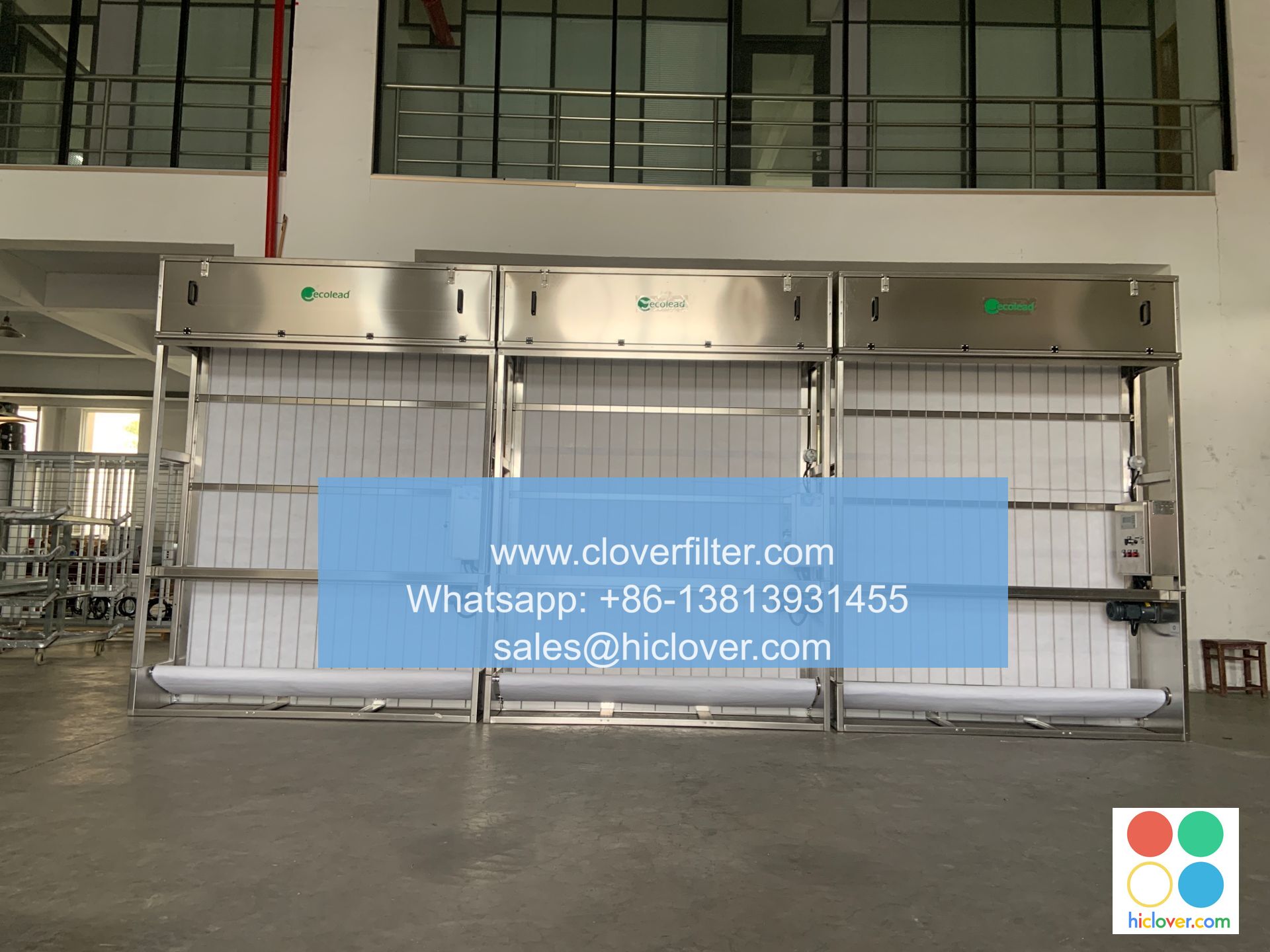
As we strive to create a healthy indoor environment and improve air quality in our homes, the use of air filters has become an essential component of our indoor air pollution control strategies. However, the disadvantages of using low quality air filters can far outweigh any perceived benefits, and it’s crucial to understand the risk factors associated with poor air filtration. In this article, we’ll delve into the consequences of using low quality air filters in various application areas, including residential homes, commercial buildings, and industrial settings.
##
The Impact on Indoor Air Quality
Low quality air filters can compromise indoor air quality by failing to capture particulate matter (PM), volatile organic compounds (VOCs), and other airborne pollutants. This can lead to a range of
##
The Risks of Reduced Air Filtration Efficiency
One of the primary disadvantages of low quality air filters is their reduced air filtration efficiency. This can result in increased energy consumption as your heating, ventilation, and air conditioning (HVAC) system works harder to compensate for the lack of effective filtration. Additionally, low quality air filters can reduce the lifespan of your HVAC system, leading to premature maintenance and replacement costs. In commercial buildings, this can have significant financial implications and impact business productivity.
##
Highlights of Key Application Areas
* Residential Homes: Low quality air filters can compromise indoor air quality and exacerbate health problems in homes with pets or allergies.
* Commercial Buildings: The use of low quality air filters can increase energy consumption and reduce the lifespan of HVAC systems, leading to significant financial implications.
* Industrial Settings: In industrial settings, low quality air filters can compromise worker health and safety and impact productivity due to reduced air quality and increased maintenance costs.
##

The Benefits of High Quality Air Filters
In contrast, high quality air filters can provide numerous benefits for indoor air quality and overall health. These include:
* Improved air filtration efficiency
* Reduced energy consumption
* Increased lifespan of HVAC systems
* Enhanced indoor air quality
* Reduced health risks
By understanding the disadvantages of using low quality air filters and the benefits of high quality air filters, you can make informed decisions about your indoor air pollution control strategies and create a healthy indoor environment for yourself and your loved ones. Remember to choose high quality air filters that meet your specific application needs and maintain them regularly to ensure optimal performance and improved air quality. It seems like you forgot to include the prompt. Please go ahead and provide one, and I’ll do my best to help!
