The Eco-Friendly Edge: Why Air Filters Should be Sustainable
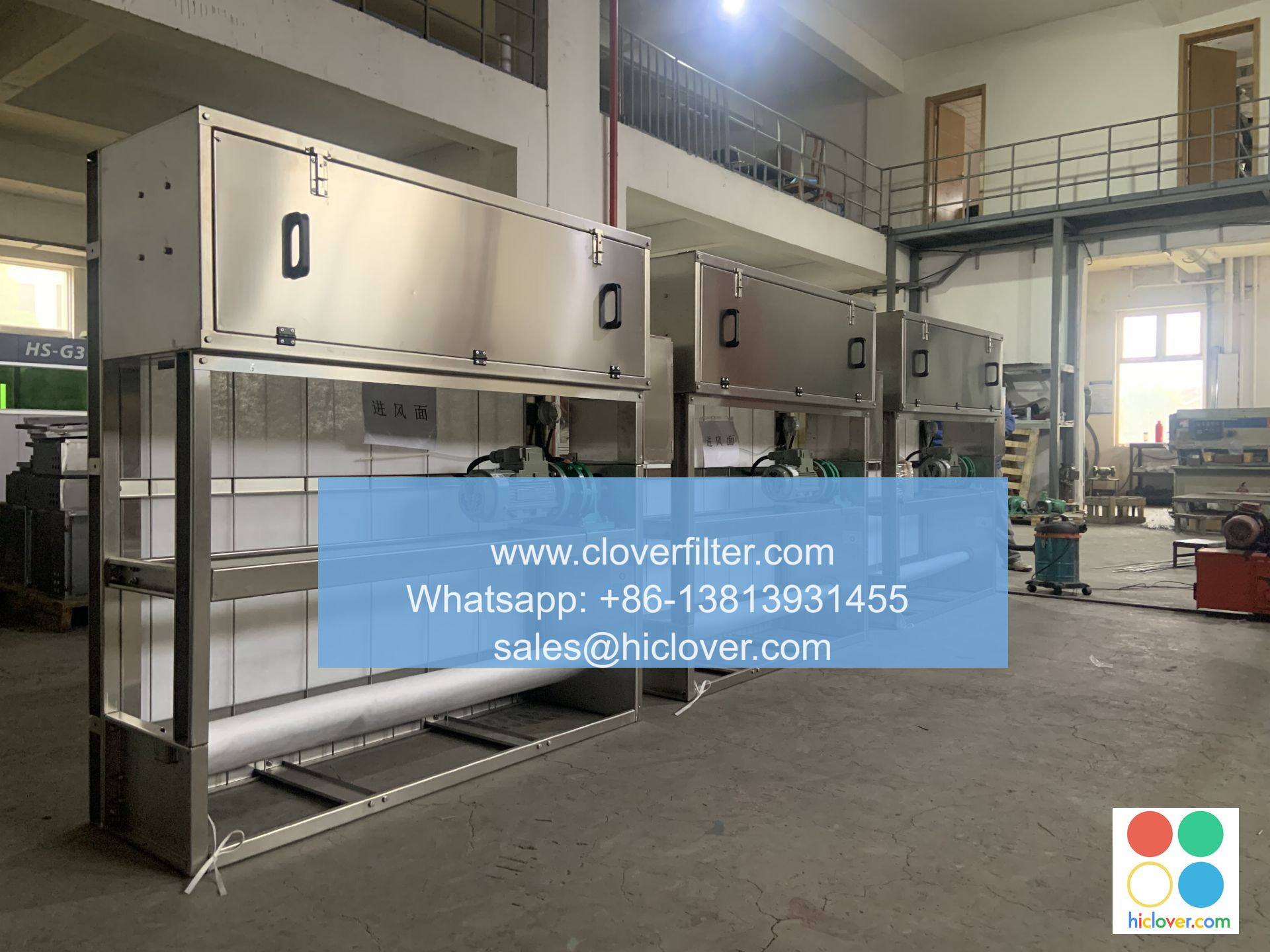
As the world grapples with the challenges of climate change, environmental degradation, and air pollution, the importance of sustainable living has never been more pressing. One often overlooked aspect of sustainability is the humble air filter, a crucial component in maintaining indoor air quality. In this article, we will explore the significance of sustainable air filters, their benefits, and the various application areas where they can make a substantial impact.
Introduction to Sustainable Air Filters
Sustainable air filters are designed to minimize their environmental footprint while providing effective air purification. These eco-friendly filters are typically made from recycled materials, such as recycled polyester or cotton, and are designed to be recyclable or biodegradable at the end of their life cycle. By adopting sustainable air filters, individuals and organizations can significantly reduce their contribution to waste management issues, greenhouse gas emissions, and air pollution.
Benefits of Sustainable Air Filters
The benefits of sustainable air filters are multifaceted and far-reaching. Some of the key advantages include:
* Improved Indoor Air Quality (IAQ): Sustainable air filters can effectively remove pollutants, allergens, and bacteria from the air, creating a healthier indoor environment.
* Reduced Carbon Footprint: By using recycled materials and minimizing waste, sustainable air filters can significantly reduce their carbon footprint and contribute to a more environmentally friendly future.
* Cost-Effective: Sustainable air filters can be more cost-effective in the long run, as they often have a longer lifespan and require less maintenance than traditional filters.
* Enhanced Brand Reputation: Organizations that adopt sustainable air filters can enhance their brand reputation and demonstrate their commitment to environmental responsibility.
Application Areas for Sustainable Air Filters
Sustainable air filters have a wide range of applications across various industries, including:
* Residential Buildings: Sustainable air filters can be used in home air purification systems to improve indoor air quality and reduce energy consumption.
* Commercial Buildings: Offices, schools, and hospitals can benefit from sustainable air filters, which can help reduce absenteeism, improve productivity, and create a healthier work environment.
* Industrial Settings: Sustainable air filters can be used in industrial processes, such as manufacturing and construction, to reduce air pollution and improve worker health.
* Transportation: Sustainable air filters can be used in vehicles, such as cars, buses, and trains, to improve air quality and reduce emissions.
* Agricultural Settings: Sustainable air filters can be used in agricultural settings, such as greenhouses and livestock facilities, to improve air quality and reduce the risk of disease transmission.

Key Technologies and Innovations
Several key technologies and innovations are driving the development of sustainable air filters, including:
* Nanotechnology: Nanotechnology is being used to create more efficient and effective air filter media, which can capture smaller particles and pollutants.
* Biomimicry: Biomimicry is being used to develop air filters that mimic the natural processes of plants and animals, such as the lotus leaf effect.
* 3D Printing: 3D printing is being used to create complex air filter geometries and structures, which can improve filter performance and reduce material waste.
* Internet of Things (IoT): IoT technologies are being used to develop smart air filters that can monitor and adjust to changing air quality conditions, optimizing filter performance and energy efficiency.
Conclusion
In conclusion, sustainable air filters offer a critical eco-friendly edge in the pursuit of improved indoor air quality and reduced environmental impact. By adopting sustainable air filters, individuals and organizations can contribute to a healthier, more sustainable future, while also reducing costs and enhancing their brand reputation. As the demand for sustainable air filters continues to grow, it is essential to stay at the forefront of technological innovations and application areas, driving the development of more effective, efficient, and environmentally friendly air filtration solutions. You haven’t asked a question or provided any context. Please provide more information or ask a question, and I’ll do my best to assist you.
