The Economic Benefits of Air Filters: A Cost-Benefit Analysis
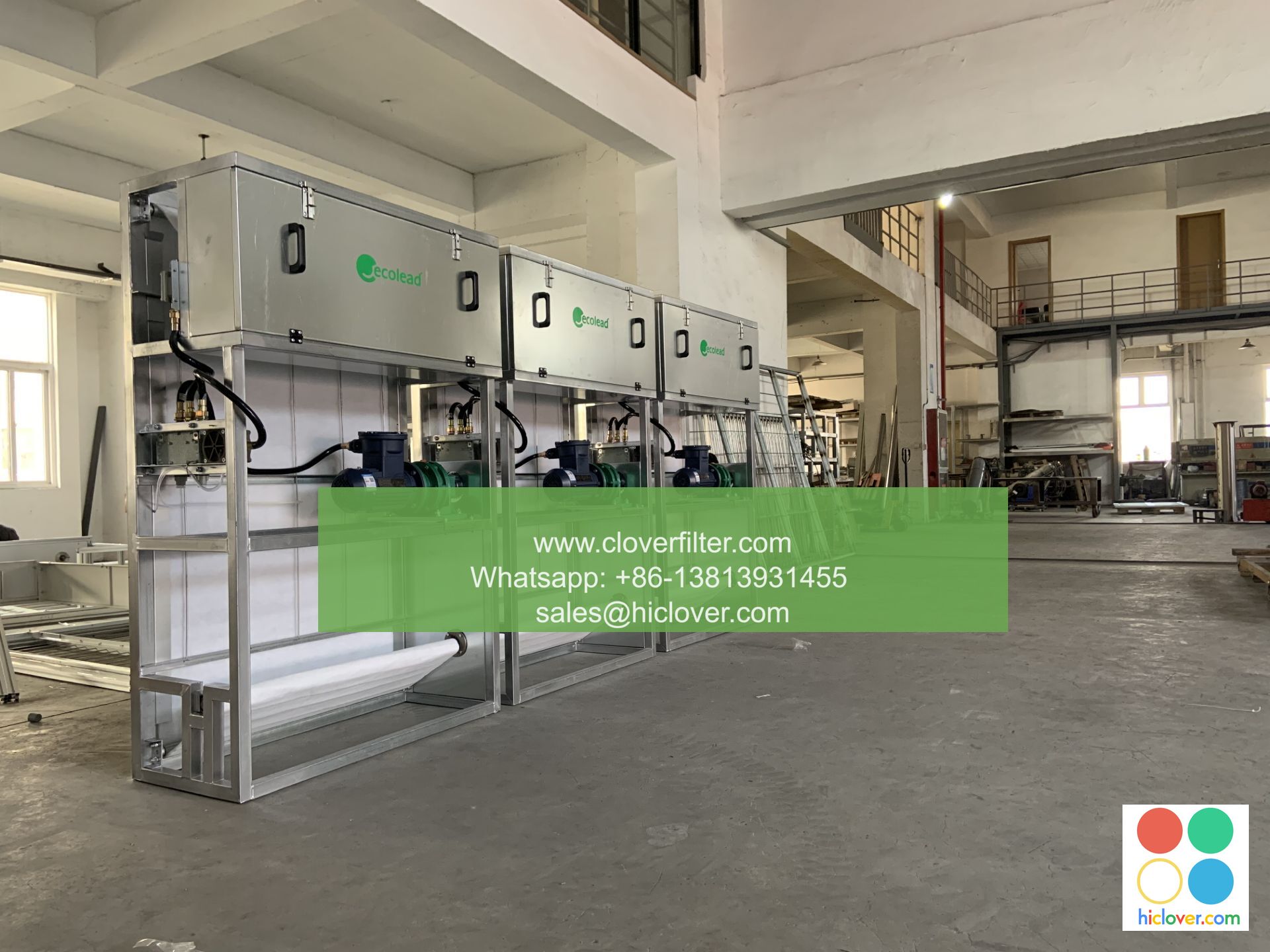
Air filters are an essential component of indoor air quality management, providing numerous economic benefits to individuals, businesses, and the environment. In this article, we will delve into the cost-benefit analysis of air filters, highlighting their energy efficiency, cost savings, and health benefits in various application areas, including commercial buildings, industrial settings, and residential homes.
Introduction to Air Filters
Air filters are designed to remove air pollutants, such as particulate matter, gases, and volatile organic compounds (VOCs), from the air. By improving indoor air quality, air filters can help reduce the risk of respiratory diseases, allergies, and other health problems. Additionally, air filters can help extend the life of heating, ventilation, and air conditioning (HVAC) systems, reducing maintenance costs and energy consumption.
Energy Efficiency and Cost Savings
One of the primary economic benefits of air filters is their ability to improve energy efficiency and reduce energy costs. By removing air pollutants and debris from the air, air filters can help improve the performance of HVAC systems, reducing the amount of energy required to heat, cool, and ventilate buildings. This can lead to significant cost savings, particularly in commercial buildings and industrial settings where energy consumption is high.
Application Areas
Air filters have a wide range of applications, including:
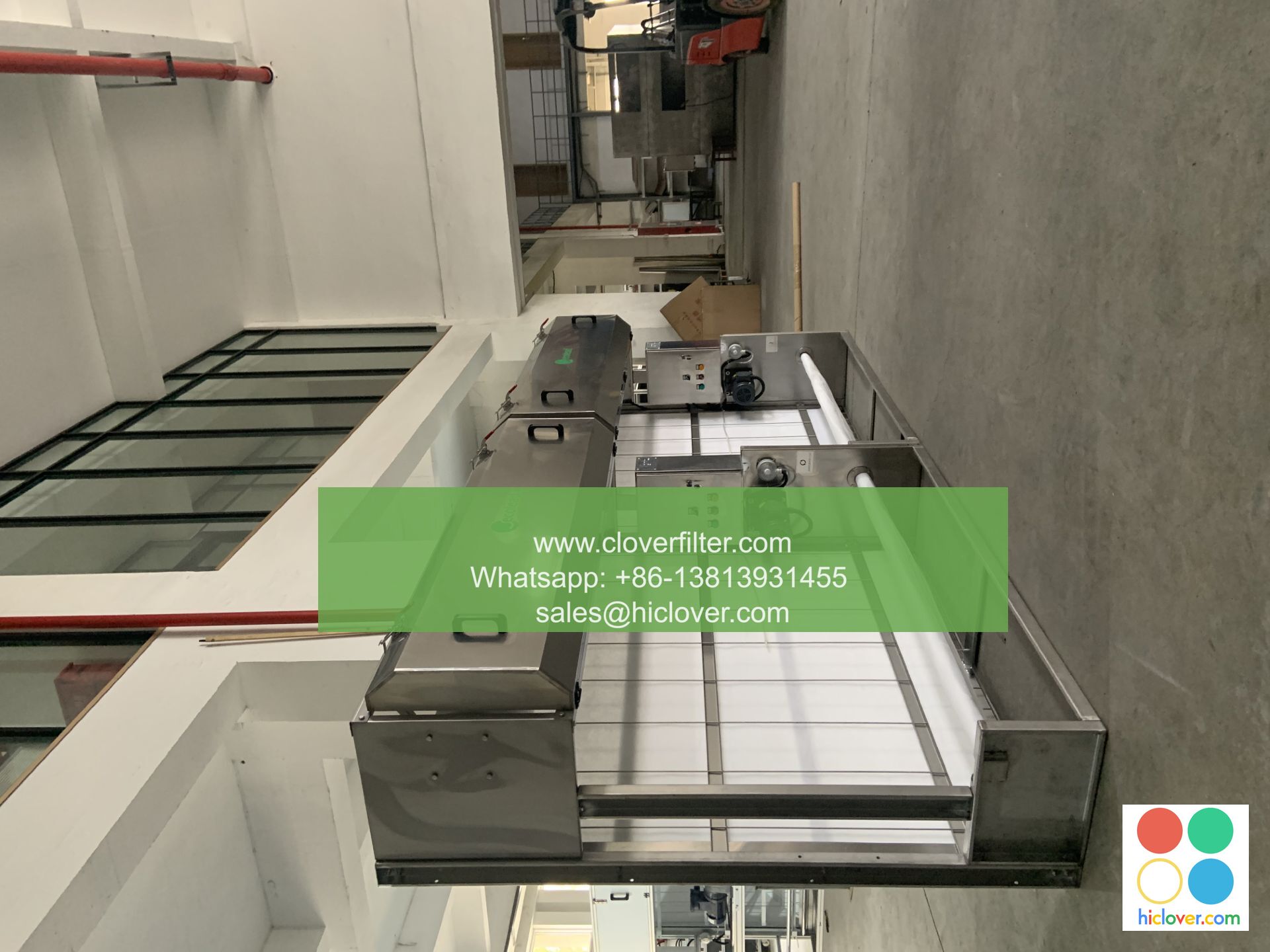
- Commercial buildings: Air filters can help improve indoor air quality, reduce energy consumption, and minimize maintenance costs in office buildings, schools, and other commercial establishments.
- Industrial settings: Air filters can help remove hazardous chemicals and particles from the air, improving worker safety and reducing the risk of occupational diseases.
- Residential homes: Air filters can help improve indoor air quality, reduce allergy symptoms, and minimize respiratory problems in homes.
Health Benefits and Productivity
In addition to their economic benefits, air filters can also have a significant impact on public health and productivity. By removing air pollutants and allergens from the air, air filters can help reduce the risk of respiratory diseases, allergies, and other health problems. This can lead to improved productivity, reduced absenteeism, and enhanced overall well-being.
Cost-Benefit Analysis
A cost-benefit analysis of air filters reveals that the benefits of improved indoor air quality, energy efficiency, and cost savings far outweigh the costs of purchasing and maintaining air filters. In fact, studies have shown that air filters can provide a return on investment (ROI) of up to 10:1, making them a cost-effective solution for improving indoor air quality and reducing energy consumption.
Conclusion
In conclusion, air filters offer a wide range of economic benefits, including energy efficiency, cost savings, and health benefits. By improving indoor air quality, air filters can help reduce the risk of respiratory diseases, allergies, and other health problems, while also minimizing energy consumption and maintenance costs. As the demand for clean air and sustainable solutions continues to grow, air filters are likely to play an increasingly important role in commercial buildings, industrial settings, and residential homes around the world. You haven’t provided a question or topic for me to assist with. Please provide more context or information so I can help you effectively. What would you like to talk about or ask?

