The Economic Implications of High Air Filter Pressure Drop
Key Takeaways
- High air filter pressure drop can significantly increase energy costs.
- The Automatic Roll Air Filter effectively minimizes pressure drop.
- Regular maintenance can mitigate risks associated with high pressure drop.
- Proper selection and installation can enhance filtration efficiency and reduce operational costs.
- Understanding the implications of filter pressure drop is crucial for HVAC system performance.
- Compliance with industry standards can improve particulate control and operational reliability.
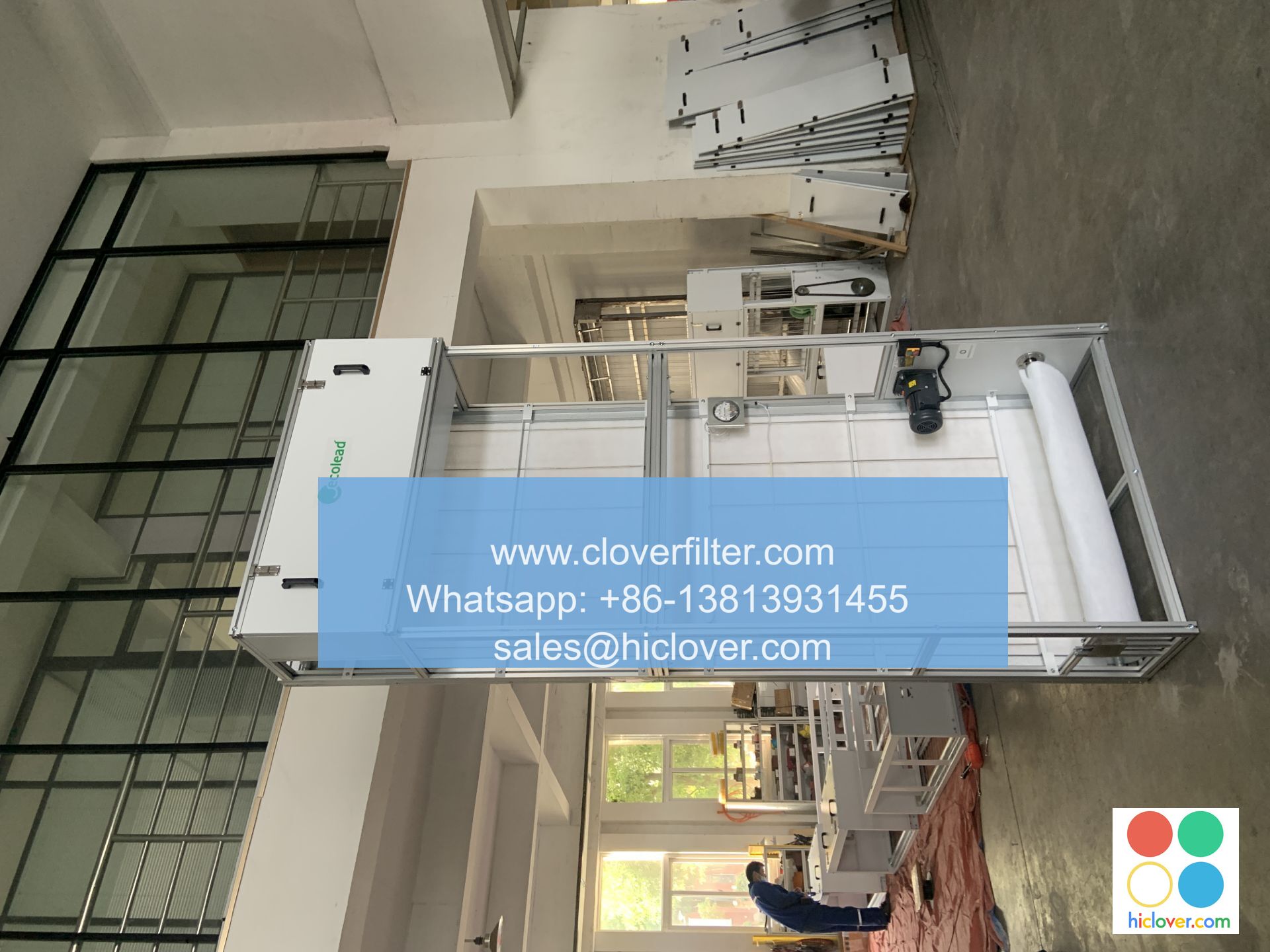
- Roll Media Advance Logic: Automatically ensures optimal filter performance by advancing the media as it becomes loaded with particulates.
- Differential Pressure Trigger: Monitors and activates the media advancement based on predefined pressure drop levels, ensuring that the air filter operates efficiently without excessive obstruction.
- Timer Mode: Allows for preset intervals for media advancement independent of pressure drop, providing flexibility in varied operational conditions.
- Airflow Range: Ensure compatibility with the HVAC system’s total airflow requirement.
- Face Velocity: Select a velocity range that is optimal for the specific application, often around 300–500 fpm for standard environments.
- Media Dimensions: Choose the appropriate width and length to fit the existing HVAC framework.
- Frame Size: Match with the filter housing for proper fit and function.
- Control Options: Determine whether to utilize manual, differential pressure, or timer-based controls.
- Power Supply: Identify the necessary voltage and phase to ensure the automatic features operate smoothly.
- Installation Location: Assess whether the filter will be placed at fresh air intake, return air, or process areas for effective filtration.
- Ignoring Pressure Drop: Failing to monitor air filter pressure drop can lead to increased energy costs—regularly check and maintain your filters.
- Choosing the Wrong Filter Type: Select filters based on specific application needs—avoid generic choices.
- Inadequate Size Selection: Ensure the selected filter fits the system dimensions correctly; improperly sized filters can exacerbate pressure drop.
- Neglecting Maintenance: Establish a maintenance schedule to replace or clean filters before they reach high pressure drop thresholds.
- Inconsistent Control Settings: Choose control systems that can adapt to changing airflow needs to optimize filter performance.
- Overlooking Energy Efficiency: Calculate the energy costs associated with high pressure drop; better filters can save money in the long run!
- Misunderstanding Compliance Standards: Familiarize yourself with standards such as ISO 16890 without making unverified claims.
- Assuming Higher MERV is Always Better: Sometimes, a moderate MERV rating might better suit the application to reduce pressure drop.
- Ignoring Environment-Specific Needs: Different facilities, such as paint booths or data centers, require tailored filtration solutions.
- Failure to Train Staff: Ensuring that maintenance and operations staff understand filter systems can prevent costly mistakes.
-
Data Center: In a high-performance data center, the Automatic Roll Air Filter maintained stable airflow and low energy consumption, ensuring optimal cooling for servers.
-
Lithium Battery Factory: A lithium battery plant adopting these filters experienced substantial reductions in particulate matter, which enhanced the safety and quality of its production environment.
-
Paint Shop: By using the Automatic Roll Air Filter, a paint booth was able to maintain low solvent vapor levels while minimizing overspray and reducing the frequency of filter changes.
-
Textile/Cement Plant: In a robust textile environment, employing an Automatic Roll Air Filter led to significant energy savings while minimizing downtime caused by filter changes.

Understanding Air Filter Pressure Drop
Air filter pressure drop refers to the resistance against airflow that an air filter presents, measured in inches of water gauge (in. wg). A high air filter pressure drop indicates that the filter is clogged or that the filtration media is not operating efficiently, leading to higher energy consumption by HVAC systems. This can be particularly detrimental in environments such as cleanrooms, hospitals, and manufacturing facilities, where controlled air quality is essential.

When evaluating air filtration systems, procurement managers and engineers must assess air filter pressure drop as it directly impacts energy utilization and overall operational costs. Ignoring this critical factor can result in inflated energy bills and reduced lifecycle of HVAC units, leading to costly inefficiencies.
What is an Automatic Roll Air Filter?
An Automatic Roll Air Filter is an advanced filtration system designed to enhance airflow and filter efficiency while minimizing air filter pressure drop. This innovative solution utilizes a continuous roll media that advances automatically based on a differential pressure trigger. The filter periodically advances the clean segment of media into the airflow path, ensuring that the system maintains low resistance and high particulate control throughout its operational life.
Key Features Include:
Automatic Roll Air Filters are perfectly suited for HVAC/AHU systems used in applications requiring consistent air quality, such as data centers, lithium battery plants, and hospitals.
Selection Guide for Automatic Roll Air Filters
When selecting an Automatic Roll Air Filter, it’s essential to consider the following parameters:
Comparison of Air Filter Types
| Filter Type | Best Use Case | Maintenance | Pressure Drop Behavior | Operating Cost | Typical Risk/Downside |
|---|---|---|---|---|---|
| Automatic Roll Air Filter | High-flow, sensitive environments like cleanrooms | Low; automatic advancement mechanism | Low | Moderate | Initial cost; requires space |
| Bag Filter | General commercial HVAC systems | Moderate; requires periodic checks | Moderate | Moderate | Greater weight; bulkier design |
| Panel Filter | Small to medium applications | High; frequent replacements | High | Low | Shorter lifespan; more waste |
| V-Bank | High air volumes requiring long filter life | Low; efficient design | Variable | Moderate | Larger footprint; requires support |
Common Mistakes & How to Avoid Them
Real-World Scenarios
Conclusion
The economic implications of high air filter pressure drop can be severe, impacting both energy consumption and operational efficiencies. By considering the right filtration solutions, such as the Automatic Roll Air Filter from CloverFilter, procurement managers and engineers can enhance air quality while managing costs effectively. For more information about CloverFilter and our offerings, visit CloverFilter or contact us for tailored filtration solutions that meet your specific needs: Contact CloverFilter.
Meta Description: Explore the economic implications of high air filter pressure drop and discover solutions like CloverFilter’s Automatic Roll Air Filter for optimized efficiency.
It seems like you may have wanted to provide a specific prompt or topic for discussion. Please share more details or clarify what you would like assistance with!
