The Economics of Air Filter Ecosystems: Cost-Effectiveness Analysis

The growing awareness of air quality and its impact on health has led to the development of innovative air filter ecosystems. Understanding the economics of these systems, particularly in terms of cost-effectiveness, is vital for both consumers and businesses. This article explores various application areas, evaluates costs associated with air filter ecosystems, and highlights their benefits.
Understanding Air Filter Ecosystems

Air filter ecosystems refer to a network of air filtration solutions designed to purify air across various environments. These systems can range from residential air purifiers to commercial HVAC (Heating, Ventilation, and Air Conditioning) filters in large buildings. Key components of air filter ecosystems include:
- Pre-filters: Remove larger particles such as dust and pet hair.
- HEPA Filters: Capture tiny particles, including allergens and pollutants.
- Activated Carbon Filters: Adsorb gases, odors, and volatile organic compounds (VOCs).
- Smart Technologies: Monitor air quality and filter effectiveness in real-time.
Cost-Effectiveness Analysis of Air Filter Ecosystems
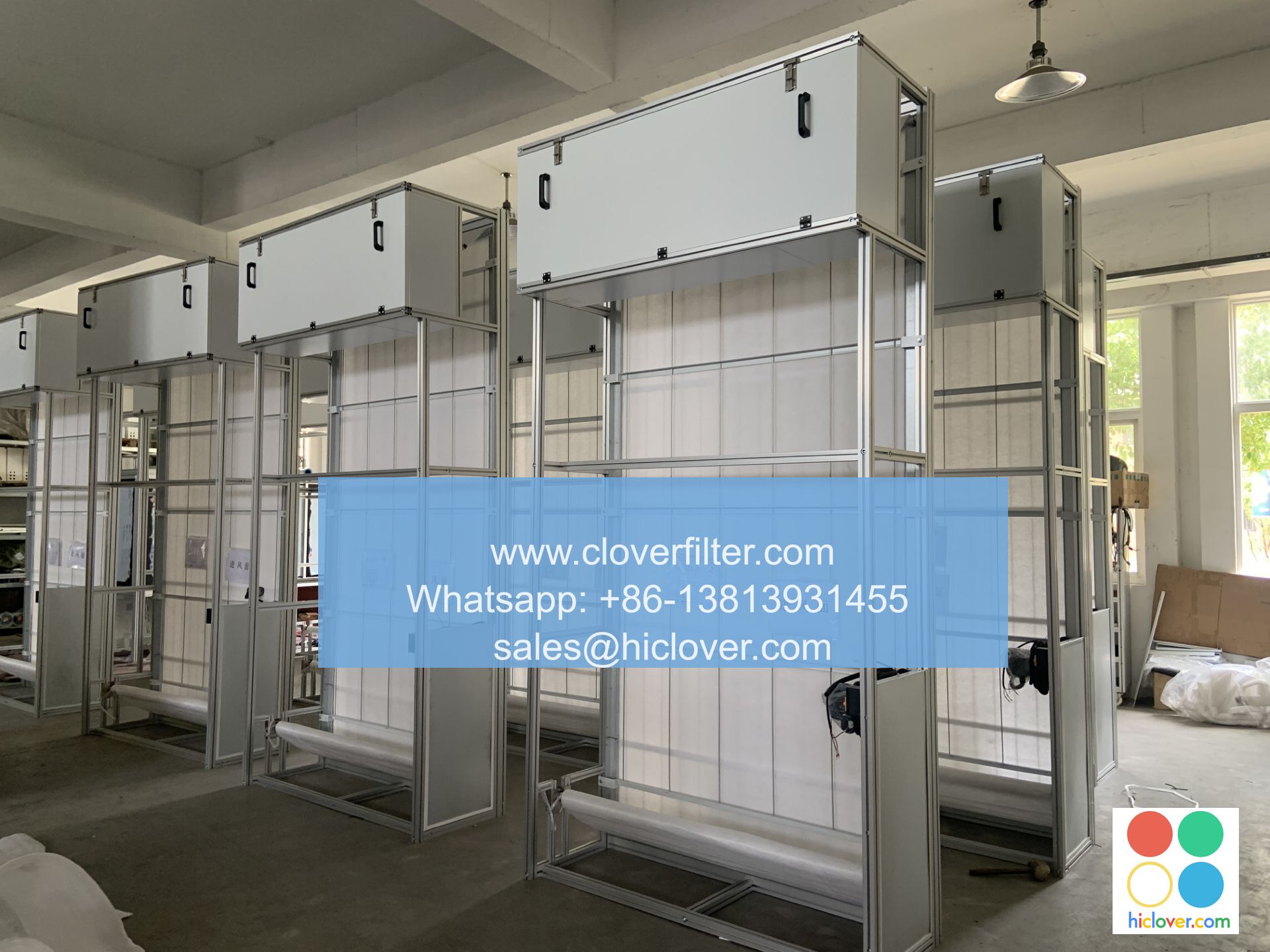
To evaluate the cost-effectiveness of air filter ecosystems, we must consider initial costs, operational costs, and health-related savings.
Initial Investment
The initial investment can vary widely based on the type and sophistication of the air filtration system. For instance:
- Residential Systems: Basic air purifiers can cost between $50 and $500, while advanced models with smart features may exceed $1,000.
- Commercial Systems: Large-scale HVAC systems can require significant upfront capital; installation costs alone can range from $5,000 to well over $50,000 depending on the scale and technology used.
Operational Costs
Operational costs include maintenance, electricity consumption, and filter replacement. For instance, typical HEPA filters need replacement every 6 to 12 months, costing between $20 and $100 per replacement. In contrast, energy-efficient systems might mitigate electricity costs, ultimately contributing to a lower total cost of ownership.
Health-Related Savings
One of the most compelling factors in a cost-effectiveness analysis is the health-related savings generated by cleaner air. Poor air quality can lead to significant health problems, including asthma, respiratory diseases, and cardiovascular issues. The economic burden of these illnesses can be substantial, with estimates suggesting that air pollution costs economies billions annually in healthcare expenses and lost productivity. By investing in an effective air filter ecosystem, the potential savings from improved health can offset much of the associated costs.
Application Areas for Air Filter Ecosystems
Air filter ecosystems find applications across diverse sectors. Below are several key areas:
Residential Applications
In homes, air filters improve the quality of indoor air, particularly for families with allergies, asthma, or other health concerns. High-efficiency particulate air (HEPA) filters are especially effective in capturing allergens such as pollen, dust mites, and pet dander.
Commercial Spaces
In commercial buildings, efficient air filtration systems can lead to healthier and more productive work environments. Many organizations now recognize the importance of indoor air quality (IAQ) and invest in advanced HVAC filters to reduce employee sickness and improve morale.
Healthcare Facilities
Hospitals and clinics have stringent air quality requirements to prevent the spread of infections. Advanced air filtration systems employing specialized filters and UV light technology help maintain sterile environments and safeguard public health.
Industrial Applications
In manufacturing and processing facilities, air filters are crucial for controlling emissions and protecting workers’ health. Efficient air filtration is mandatory in industries like pharmaceuticals and food processing where air quality directly affects product safety.
Educational Institutions
Schools and universities are increasingly adopting air filtration systems to ensure students and staff are protected from airborne pollutants and allergens. Research indicates that improved air quality can enhance cognitive function and overall academic performance.
Conclusion
The economics of air filter ecosystems represent a complex interplay of initial costs, ongoing expenses, and potential health savings. While the initial investment can be significant, the cost-effectiveness of these systems, particularly when coupled with long-term health benefits, makes them a worthy consideration for various applications. From residences to commercial buildings and healthcare facilities, effective air filtration can enhance well-being and productivity while ultimately paying for itself through health-related savings.
As public and private entities continue to prioritize air quality, understanding the economics behind air filter ecosystems will become increasingly vital for making informed decisions that benefit both individuals and communities alike.
It seems like your message got cut off! Could you please provide more details about what you need help with or what specific prompt you’re looking for?
