The Effect of Automatic Roll Air Filters on Food Quality and Safety in Calgary Processing Plants
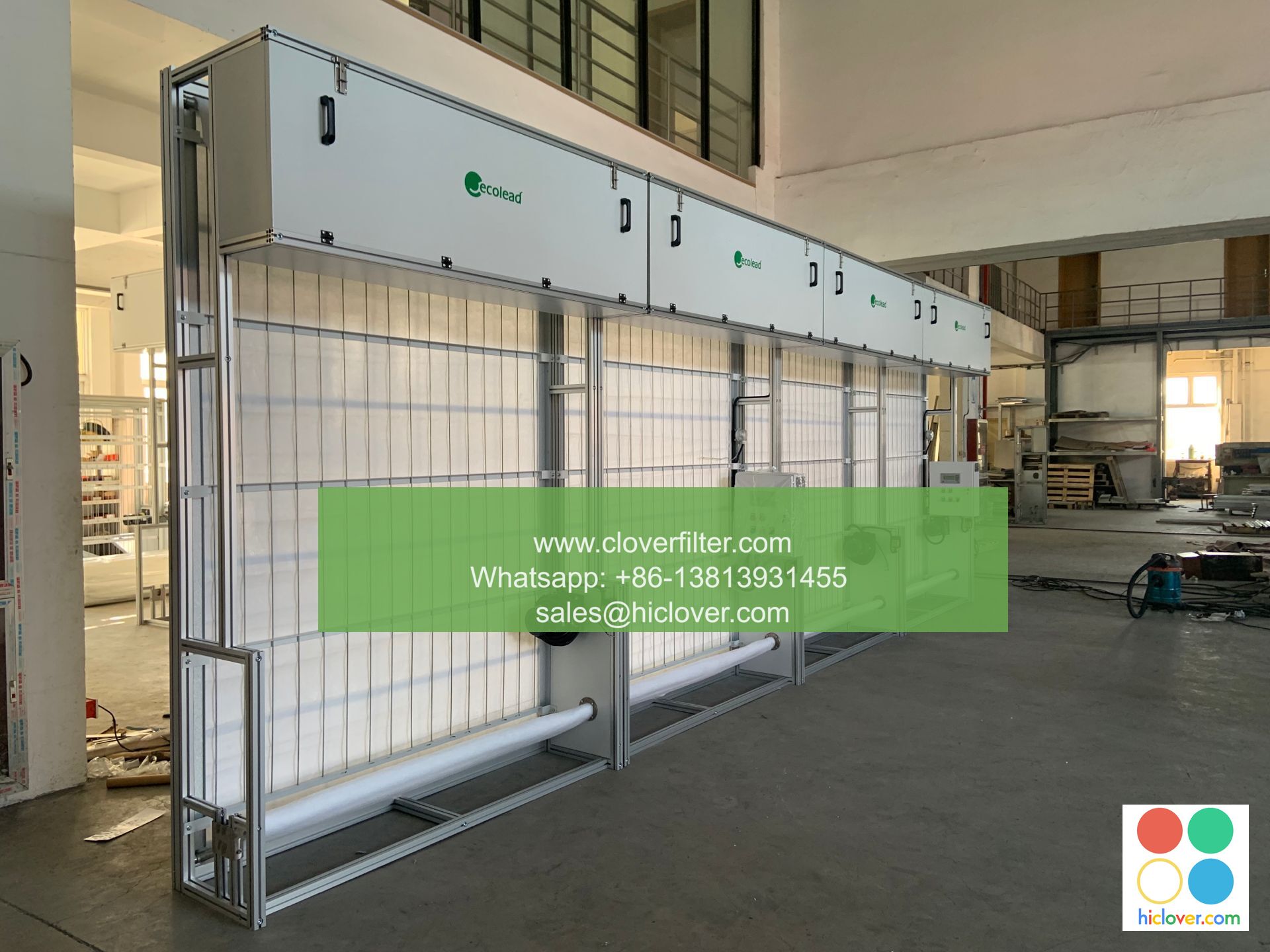
The food processing industry in Calgary is a significant sector that requires strict adherence to quality and safety standards. One crucial aspect of maintaining these standards is the use of air filtration systems in processing plants. Automatic roll air filters have become an essential component in these facilities, playing a vital role in ensuring the quality and safety of food products. In this article, we will explore the impact of automatic roll air filters on food quality and safety in Calgary processing plants.
Airborne contaminants, such as dust, pollen, and microorganisms, can significantly compromise the quality and safety of food products. These contaminants can originate from various sources, including raw materials, equipment, and human activity. If left unchecked, they can lead to spoilage, contamination, and even foodborne illnesses. Automatic roll air filters are designed to capture these airborne contaminants, preventing them from coming into contact with food products.

The effectiveness of automatic roll air filters in maintaining food quality and safety can be attributed to their ability to remove airborne particles as small as 0.3 microns. This includes bacteria, viruses, and other microorganisms that can cause foodborne illnesses. By removing these contaminants, automatic roll air filters help prevent the spread of diseases and reduce the risk of food recalls. Furthermore, these filters can also remove odors and moisture from the air, which can affect the texture and appearance of food products.
In addition to improving food quality and safety, automatic roll air filters also contribute to a cleaner and healthier working environment for plant employees. By reducing airborne contaminants, these filters help minimize the risk of respiratory problems and other health issues associated with poor air quality. A healthy workforce is essential for maintaining high productivity and efficiency in food processing plants, and automatic roll air filters play a significant role in achieving this goal.
The use of automatic roll air filters in Calgary processing plants is also regulated by various food safety standards and guidelines. For instance, the Canadian Food Inspection Agency (CFIA) requires food processing plants to implement effective air filtration systems to prevent contamination. Similarly, the Hazard Analysis and Critical Control Points (HACCP) system, a widely adopted food safety protocol, emphasizes the importance of air filtration in preventing foodborne hazards. By installing and maintaining automatic roll air filters, food processing plants in Calgary can demonstrate their commitment to complying with these regulations and ensuring the safety of their products.
Despite the benefits of automatic roll air filters, some food processing plants may be hesitant to adopt this technology due to concerns about cost and maintenance. However, the long-term benefits of these filters far outweigh the initial investment. Automatic roll air filters can help reduce energy costs by minimizing the need for frequent cleaning and replacement of filters. Moreover, these filters can be designed to be self-cleaning, which reduces maintenance downtime and extends their lifespan.

In conclusion, automatic roll air filters play a critical role in maintaining food quality and safety in Calgary processing plants. By removing airborne contaminants, these filters help prevent spoilage, contamination, and foodborne illnesses. Additionally, they contribute to a cleaner and healthier working environment for plant employees and help food processing plants comply with regulatory requirements. As the food processing industry continues to evolve, the importance of automatic roll air filters will only continue to grow, and their adoption will become increasingly essential for ensuring the quality and safety of food products.
Frequently Asked Questions
Q: What is the average lifespan of an automatic roll air filter?
A: The average lifespan of an automatic roll air filter can range from 1-3 years, depending on factors such as air quality, usage, and maintenance.
Q: Can automatic roll air filters be customized to meet specific food processing needs?
A: Yes, automatic roll air filters can be customized to meet specific food processing needs, including filter size, material, and filtration efficiency.
Q: How often should automatic roll air filters be maintained and cleaned?
A: Automatic roll air filters should be maintained and cleaned regularly, ideally every 1-3 months, depending on usage and air quality.
Q: Are automatic roll air filters compatible with existing HVAC systems?
A: Yes, automatic roll air filters can be designed to be compatible with existing HVAC systems, ensuring seamless integration and optimal performance.
