The Effectiveness of Activated Carbon Air Filters in Removing VOCs
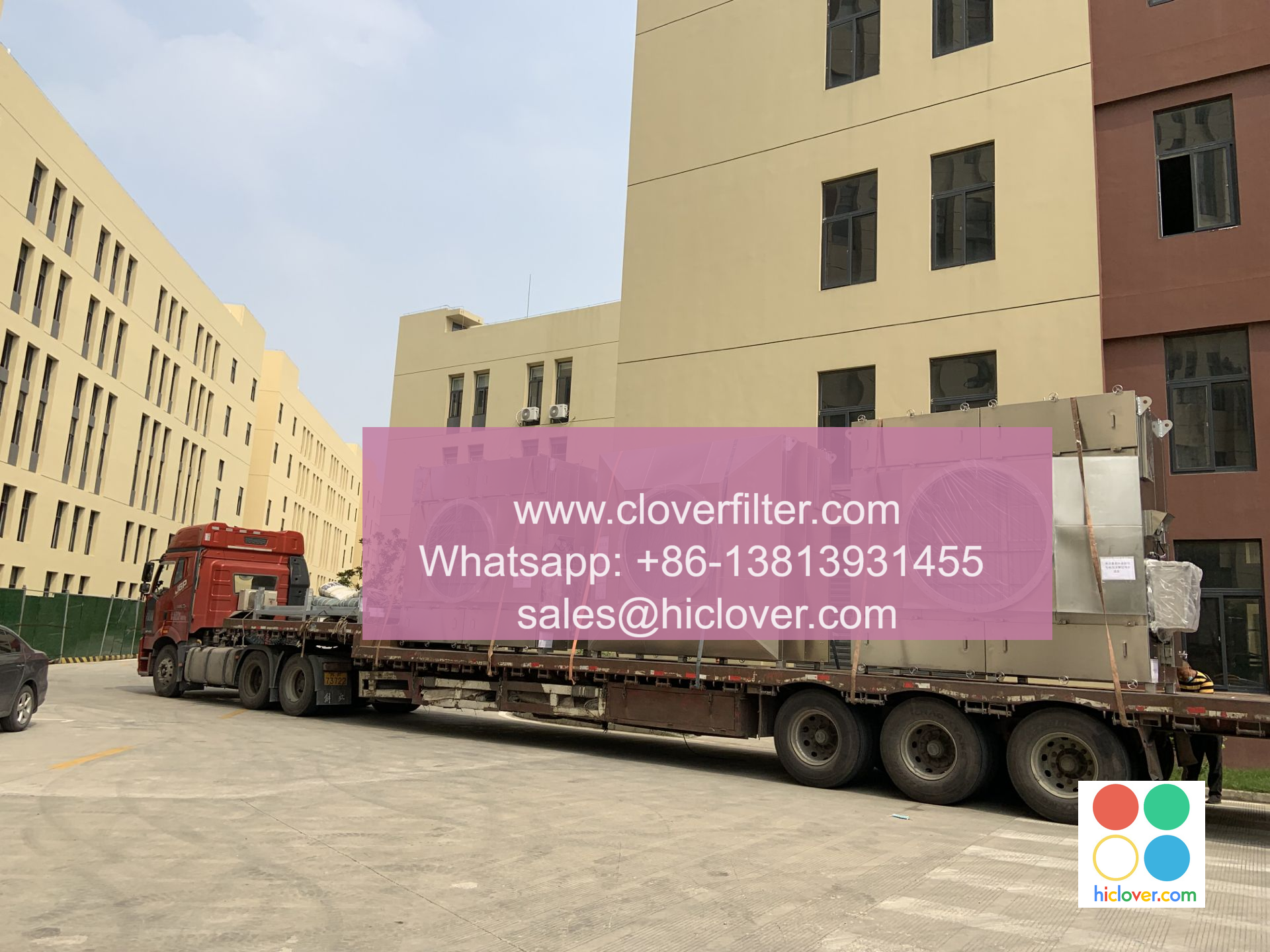
Activated carbon air filters have been widely recognized as a crucial tool in improving indoor air quality by removing volatile organic compounds (VOCs) and other airborne pollutants. The effectiveness of these filters in eliminating VOCs has been extensively studied, and the results are impressive. In this article, we will delve into the world of activated carbon air filters, exploring their application areas, and highlighting their ability to remove VOCs, gases, and other pollutants from the air.
What are VOCs and Why are They Harmful?
VOCs are organic chemicals that evaporate easily at room temperature, releasing vapors that can cause adverse health effects. These chemicals are commonly found in household products, such as paints, adhesives, cleaning supplies, and personal care products. Prolonged exposure to VOCs has been linked to various health issues, including respiratory problems, headaches, and even cancer. The removal of VOCs from indoor air is essential to maintain a healthy and safe living environment.
How Do Activated Carbon Air Filters Work?
Activated carbon air filters use a process called adsorption to capture VOCs and other pollutants. The activated carbon, typically derived from coconut shells or bamboo, is treated to increase its surface area, allowing it to attract and trap gas molecules. As air passes through the filter, the VOCs and other pollutants are drawn to the activated carbon, where they are held in place, preventing them from being released back into the air.
Application Areas of Activated Carbon Air Filters
Activated carbon air filters have a wide range of applications, including:
* Indoor Air Purification: Removing VOCs, gases, and other pollutants from indoor air to improve air quality and reduce health risks.
* Industrial Air Cleaning: Controlling VOC emissions in industrial settings, such as manufacturing facilities, to prevent environmental pollution and protect worker health.
* Medical Facilities: Reducing the risk of hospital-acquired infections by removing airborne pathogens and VOCs from medical facilities.
* Commercial Buildings: Improving indoor air quality in offices, schools, and other commercial buildings to enhance occupant comfort and productivity.
* Residential Homes: Removing VOCs and other pollutants from indoor air to create a healthier living environment for families.

Effectiveness of Activated Carbon Air Filters in Removing VOCs
Studies have shown that activated carbon air filters can remove up to 99% of VOCs from indoor air. The effectiveness of these filters depends on various factors, including the type and quality of the activated carbon, the filter’s design and construction, and the air flow rate. To achieve optimal performance, it is essential to select a filter with a high adsorption capacity and to replace it regularly to maintain its effectiveness.
Conclusion
In conclusion, activated carbon air filters are a highly effective solution for removing VOCs and other pollutants from indoor air. Their wide range of applications, from indoor air purification to industrial air cleaning, makes them a versatile tool in improving air quality and reducing health risks. By understanding the effectiveness of activated carbon air filters in removing VOCs, we can take a significant step towards creating healthier and safer living and working environments. Whether you are a homeowner, business owner, or facility manager, considering the installation of an activated carbon air filter can have a significant impact on the health and well-being of occupants. It seems like you’re ready to start a conversation or need help with something, but you haven’t specified what’s on your mind. Could you please provide more details or ask a question? I’m here to assist you with information, answer questions, or just chat about a topic you’re interested in.
