The Effectiveness of Air Filters in Removing Airborne Bacteria and Viruses
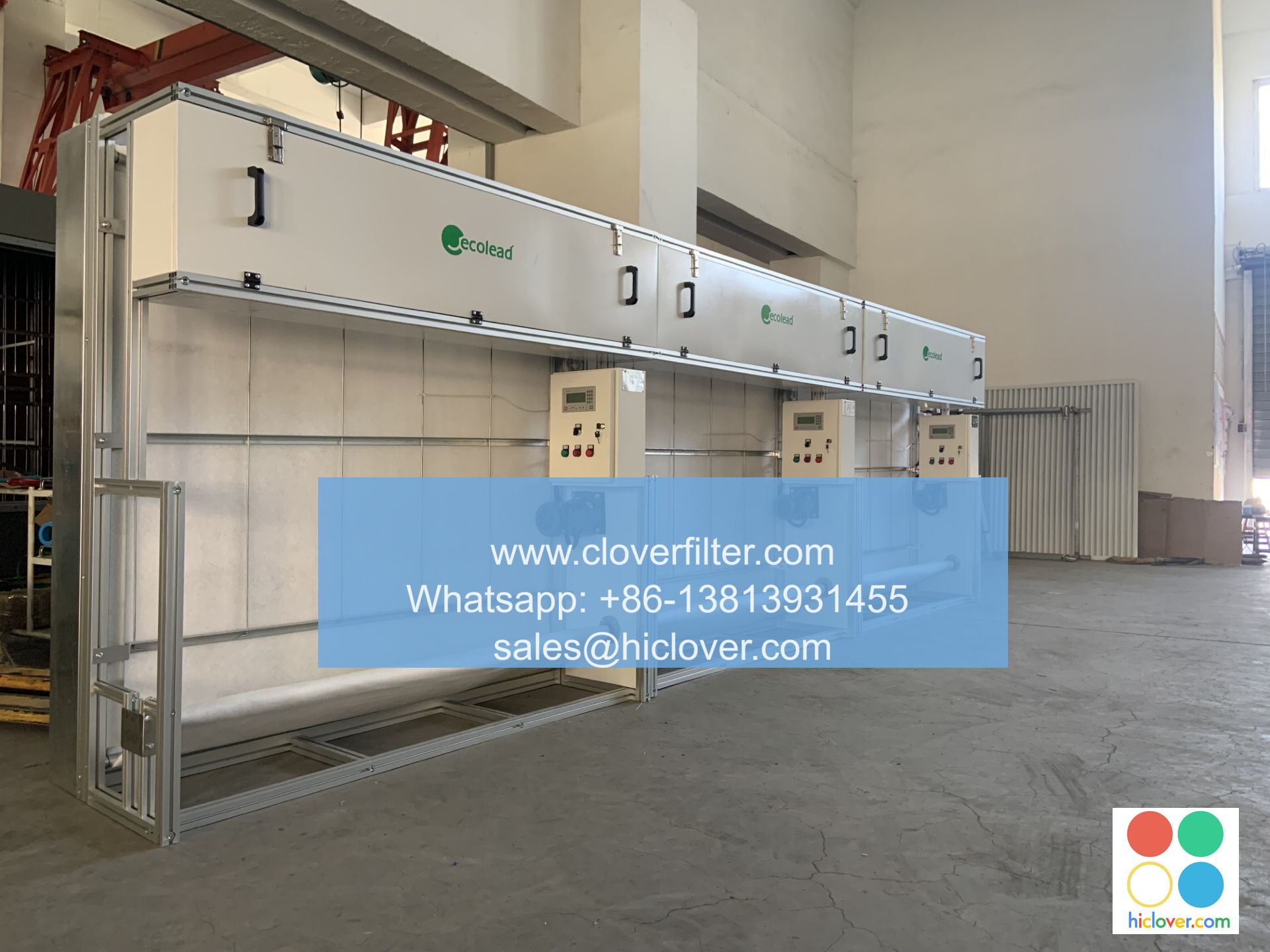
Airborne bacteria and viruses pose significant health risks, particularly in enclosed spaces where ventilation is limited. As concerns about air quality continue to rise, the importance and effectiveness of air filters in removing these pathogens have come to the forefront. This article explores how air filters work to purify indoor air by targeting harmful microorganisms and highlights their applications in various settings.
Understanding Air Filters and Their Mechanisms

Air filters are designed to trap particles from the air as it passes through them. They come in various types, including HEPA (High-Efficiency Particulate Air) filters, activated carbon filters, and UV (Ultraviolet) light systems. HEPA filters are particularly effective, capturing up to 99.97% of particles as small as 0.3 microns, which includes many bacteria and viruses.
How Air Filters Remove Airborne Bacteria and Viruses
The effectiveness of air filters in removing airborne pathogens lies in their structure and filtration methods:
- Physical Filtration: HEPA filters utilize a dense mat of fibers to physically trap microbes and allergens from the air.
- Adsorption: Activated carbon filters work by adsorbing gaseous pollutants and odorous substances, enhancing the air’s overall quality.
- UV Light Sterilization: Some systems incorporate UV light, which can kill or deactivate bacteria and viruses as air flows through the unit.
Applications of Air Filters
Air filters have become increasingly vital in various environments. Below, we highlight key application areas where air filtration systems play crucial roles in safeguarding health:
1. Healthcare Facilities
In hospitals and clinics, air filters are essential to prevent the spread of infections. High-Efficiency Particulate Air (HEPA) filters are standard in operating rooms and isolation areas to ensure that airborne pathogens are minimized, protecting both patients and healthcare workers.
2. Educational Institutions
Schools and universities benefit significantly from air filtration systems. With many students in enclosed spaces, effective air filters help reduce the transmission of respiratory illnesses, such as colds and flu, creating a healthier learning environment.
3. Office Buildings
As employees increasingly return to offices, maintaining good air quality is critical. Installing air filters in HVAC (Heating, Ventilation, and Air Conditioning) systems helps eliminate airborne contaminants, thereby promoting employee well-being and productivity.
4. Residential Spaces
Homeowners can enhance indoor air quality by using air purifiers equipped with HEPA filters. These devices are particularly beneficial for individuals with allergies or asthma, as they effectively capture allergens and pathogens, creating a healthier home environment.
Limitations and Considerations
While air filters are effective in removing airborne bacteria and viruses, they are not a standalone solution. It’s crucial to combine air filtration with other prevention measures, such as proper ventilation, regular cleaning, and maintaining hygiene practices. Additionally, choosing the right filter for specific needs is essential to maximize effectiveness.
Conclusion
In conclusion, air filters represent a practical solution for significantly improving indoor air quality and reducing the presence of airborne bacteria and viruses. Their effectiveness varies based on the type of filter and application area, making it essential to select appropriate systems based on specific needs. As we continue to prioritize health and wellness, investing in quality air filtration systems can lead to safer, healthier indoor environments.
Sure! Please provide more details about the prompt you’d like assistance with, and I’ll be happy to help!
