The Effectiveness of Air Filters in Removing Airborne Pollutants
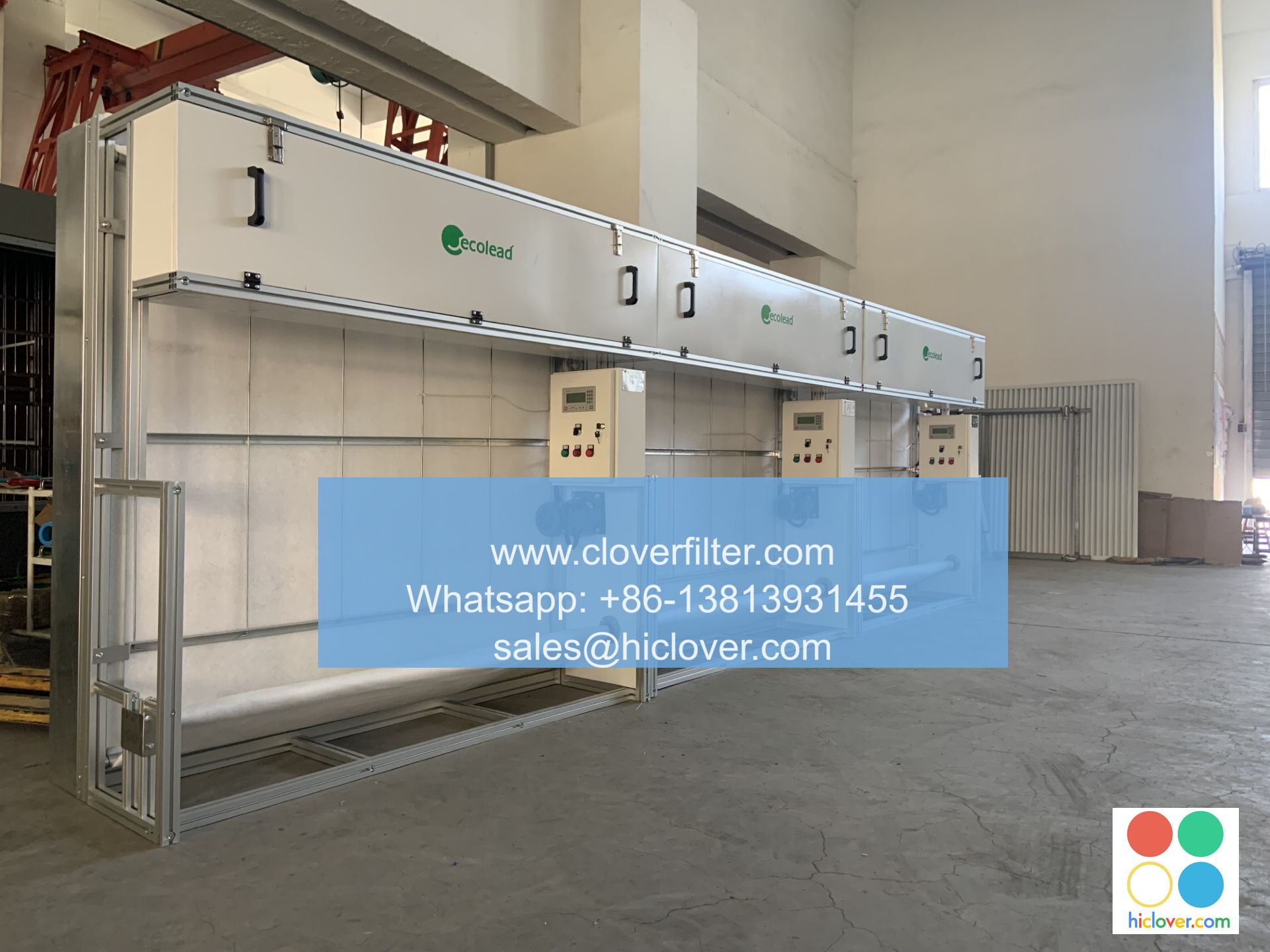
As concerns about air quality continue to rise, the demand for air filters has significantly increased. These devices play a vital role in improving indoor air quality by effectively removing various airborne pollutants. This article delves into the effectiveness of air filters, examining their ability to capture different types of contaminants and highlighting their application areas.
Understanding Airborne Pollutants

Airborne pollutants include a wide range of harmful particles and gases, such as:
- Dust and Pollen: Common allergens that can exacerbate respiratory issues.
- Smoke: Generated from cooking, burning, or wildfires, contributing to indoor air pollution.
- Volatile Organic Compounds (VOCs): Emitted from household products like paints, cleaners, and perfumes.
- Bacteria and Viruses: Microorganisms that can lead to infections and diseases.
Types of Air Filters

Air filters come in various types, each designed to target specific airborne pollutants. The most common types include:
HEPA Filters
High-Efficiency Particulate Air (HEPA) filters are renowned for their ability to remove up to 99.97% of particles as small as 0.3 microns. This makes them particularly effective for capturing allergens, dust, and pet dander.
Activated Carbon Filters
These filters are designed to absorb odors and VOCs, making them ideal for kitchens and homes with significant pollutant sources.
UV-C Light Filters
These filters use ultraviolet light to kill bacteria and viruses, adding an extra layer of protection against airborne pathogens.
How Effective Are Air Filters?
The effectiveness of air filters largely depends on several factors:
- Filter Rating: Higher-rated filters, such as HEPA filters, demonstrate far superior particle removal efficiency compared to standard filters.
- Air Flow Rate: The fan speed and overall system design can affect how much air passes through the filter, impacting performance.
- Maintenance: Regular replacement and upkeep of filters ensure their continued effectiveness. Clogged filters can reduce airflow and pollutant removal efficiency.
Application Areas of Air Filters
Air filters find applications in various settings, each benefiting from cleaner air. Some notable areas include:
Residential Use
In homes, air filters help reduce allergens, such as pollen and pet dander, leading to a healthier environment for residents, especially for those with asthma or allergies.
Commercial Buildings
Offices and commercial spaces can utilize air filters to improve indoor air quality, promoting employee wellness and productivity. Regular maintenance helps ensure cleaner air in high-traffic areas.
Healthcare Facilities
In hospitals and clinics, air filters play a crucial role in controlling the spread of airborne infections. HEPA filters are widely used in operating rooms and patient rooms to strive for optimal air cleanliness.
Industrial Applications
Factories and industrial settings often use specialized air filters to capture harmful particles and ensure compliance with environmental regulations, protecting both workers and the surrounding community.
Conclusion
The effectiveness of air filters in removing airborne pollutants cannot be overstated. By selecting the right type of filter for specific needs and maintaining it properly, individuals and organizations can significantly improve indoor air quality. Whether for residential, commercial, healthcare, or industrial applications, investing in quality air filters is essential for a healthier, more productive environment.
It seems like you might be looking for a prompt or some inspiration. Could you clarify what kind of prompt you’re interested in? For example, are you looking for writing prompts, discussion topics, creative ideas, or something else? Let me know!
