The Effectiveness of Automatic Roll Air Filters in Removing Airborne Contaminants in Calgary Food Processing Environments
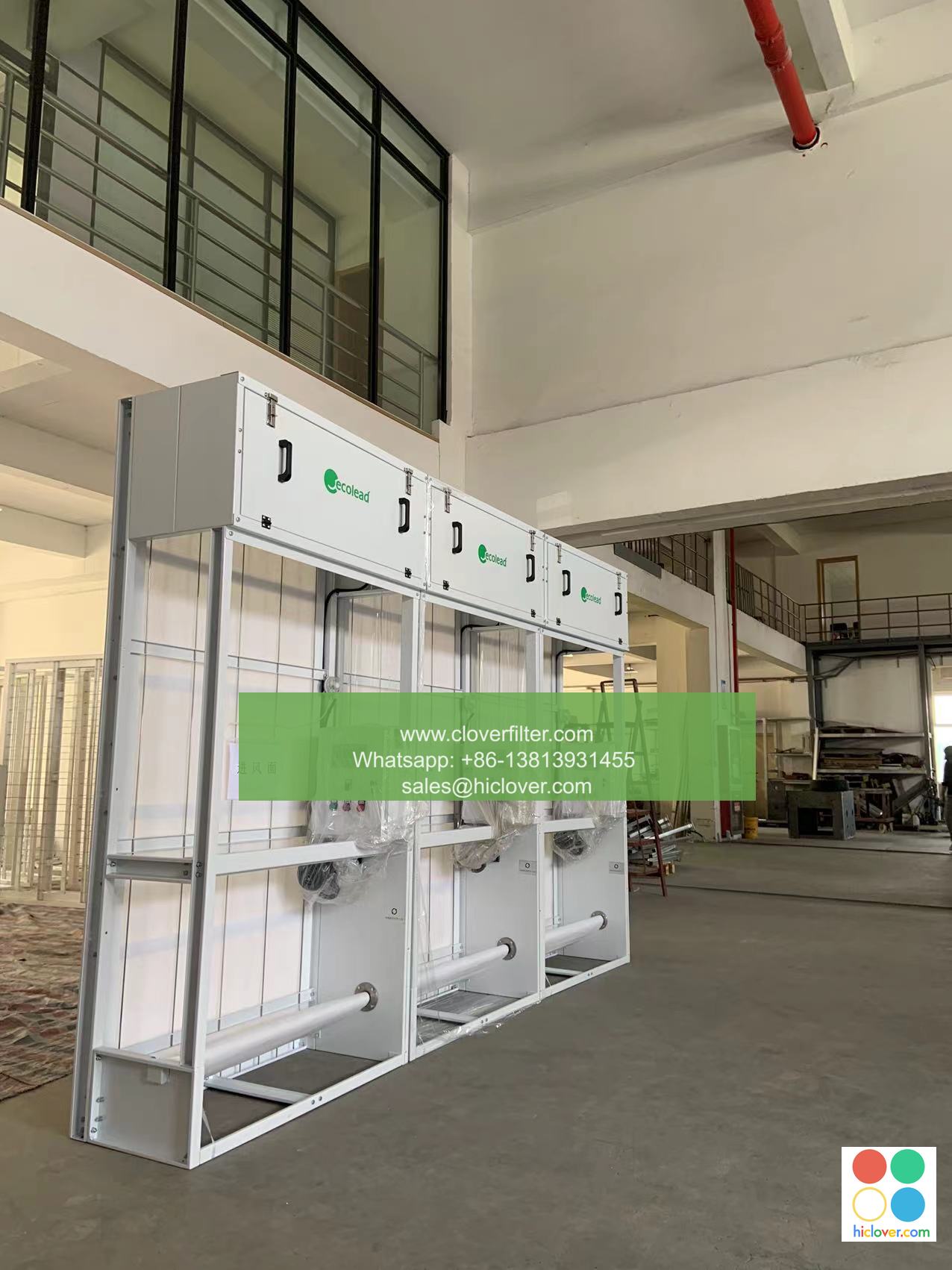
The food processing industry is one of the most stringent sectors when it comes to maintaining hygiene and sanitation. In cities like Calgary, where food safety is paramount, businesses are increasingly turning to advanced technologies to ensure clean air quality. One innovative solution that has gained traction is the use of automatic roll air filters.
Understanding Airborne Contaminants
Airborne contaminants pose significant risks in food processing environments. These can include dust, allergens, microbes, and chemical fumes—all of which can compromise food safety and product quality. Failing to effectively manage these airborne pollutants can lead to foodborne illnesses and can impact consumer trust.
How Automatic Roll Air Filters Work
Automatic roll air filters are designed to provide high-efficiency filtration with minimal human intervention. These filters use a continuous roll of filtration material that moves over time, allowing for a constant supply of clean air. As air passes through the filter, contaminants are trapped within the media, which can be replaced or cleaned without disrupting airflow.
Benefits of Automatic Roll Air Filters
Adopting automatic roll air filters in Calgary’s food processing environments comes with several key benefits:

- Enhanced Air Quality: These filters capture a high percentage of airborne particles, including allergens, bacteria, and other harmful agents.
- Efficiency: Their continuous operation allows for constant filtration, significantly improving air quality without requiring frequent maintenance.
- Cost-Effectiveness: By reducing the frequency of filter changes and minimizing the need for cleaning, businesses can lower operational costs.
- Environmentally Friendly: Many automatic roll air filters are designed with sustainability in mind, utilizing recyclable materials and reducing energy consumption over time.
The Science Behind Their Effectiveness
Research shows that automatic roll air filters can significantly reduce the level of particulate matter in controlled environments. Studies conducted in food processing facilities demonstrate a marked decrease in microbial counts and airborne contaminants when these filters are utilized. Their efficiency is attributed to the multi-layered designs that trap a wide range of particle sizes, ensuring cleaner air is circulated throughout the facility.
Implementation in Calgary Food Processing
Calgary’s food processing facilities have begun integrating automatic roll air filters as part of their air quality management systems. Businesses can customize the filters based on the specific needs of their processing activities, making it easier to meet local health regulations and industry standards. Regular assessments and monitoring ensure that the systems remain effective and up to date.
Conclusion
In conclusion, the implementation of automatic roll air filters in Calgary’s food processing environments presents a powerful solution in the battle against airborne contaminants. By improving air quality, reducing health risks, and enhancing operational efficiency, these filters are not just a technological upgrade; they are a necessity in today’s rigorous food safety culture. Investing in such systems not only safeguards the health of consumers but also fortifies the reputation of businesses within the food processing industry.
FAQs
1. How often should automatic roll air filters be replaced?
The frequency of replacement can vary based on usage and environmental conditions; however, it’s generally recommended to check filters monthly and replace them every 6 to 12 months.
2. Can these filters remove odors?
While their primary purpose is to capture particulate matter, some advanced automatic roll air filters may include activated carbon layers that help in absorbing odors.
3. Are these filters suitable for all types of food processing?
Yes, automatic roll air filters can be tailored to fit various food processing environments, ensuring compliance with relevant health regulations.
4. What maintenance is required for these systems?
Regular inspections and monitoring are crucial. The filters should be checked for wear and tear and replaced or cleaned as necessary to maintain optimal performance.
