The Effects of Air Filter Efficiency on Air Quality in Rural Areas
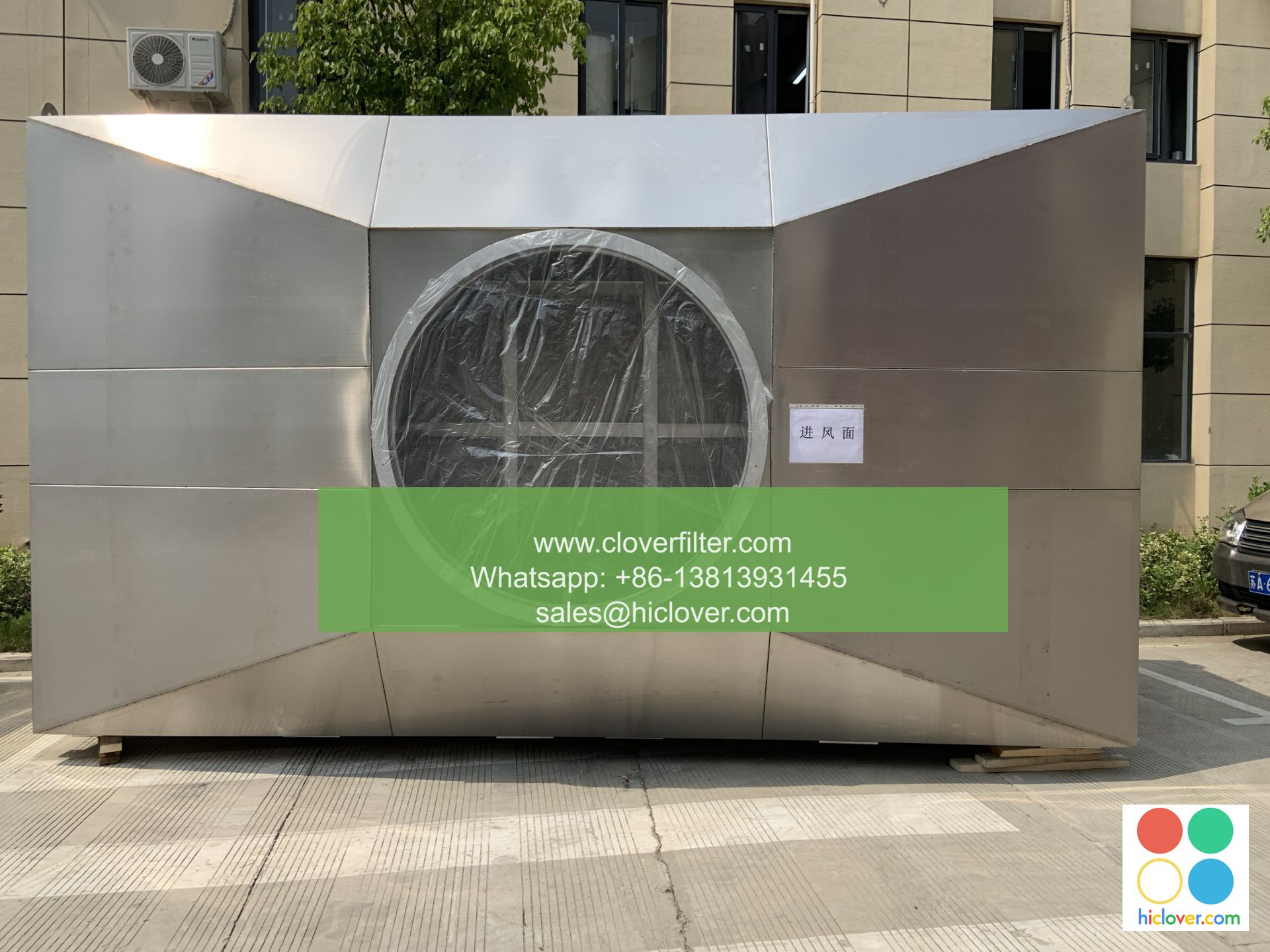
Air quality is a critical consideration for public health and environmental sustainability, especially in rural areas where industrial pollution is typically lower than in urban settings. However, rural regions are not immune to air quality issues, primarily stemming from agricultural activities, wildfires, and dust. One of the most effective ways to combat air pollution is through the use of air filters. This article explores the significance of air filter efficiency on air quality, focusing on various applications and case studies.
Understanding Air Filter Efficiency

Air filter efficiency refers to the effectiveness of an air filter in removing particulate matter and other pollutants from the air. Filters are classified using the Minimum Efficiency Reporting Value (MERV) rating system, which ranges from 1 to 20. Higher MERV ratings indicate more efficient filters capable of trapping smaller particles.
Key Terms:
- Particulate Matter (PM): Tiny particles suspended in the air that can harm health.
- Volatile Organic Compounds (VOCs): Organic chemicals that can evaporate and contribute to air pollution.
- MERV Rating: A standard to measure how well an air filter captures particles.
The Role of Air Filters in Rural Areas

In rural settings, the quality of indoor air can greatly be influenced by outdoor air quality. This is particularly true during agricultural seasons when dust from fields can enter homes and buildings. Efficient air filters can significantly improve the air quality within rural homes, schools, and community centers.
Applications of Air Filters in Rural Areas:
-
Residential Buildings:
- High-efficiency filters can mitigate indoor air pollution caused by outdoor dust, pollen, and smoke.
-
Agricultural Facilities:
- Air filtering systems are essential in livestock barns and grain storage facilities to maintain air quality and protect both human and animal health.
-
Community Health Centers:
- These facilities can benefit from high-efficiency filters to provide safer, healthier environments for patients, especially those with respiratory issues.
-
Educational Institutions:
- Schools can use advanced air filters to enhance air quality for students and staff, reducing absenteeism due to respiratory problems.
Case Studies Demonstrating the Impact of Air Filter Efficiency
Case Study 1: Agricultural Community in the Midwest
In a Midwest rural town, a local initiative funded the installation of high-efficiency HVAC systems with MERV 13 filters in community centers. Over the course of a year, air quality measurements indicated a 30% reduction in particulate matter levels. This led to fewer respiratory issues among residents, demonstrating the effectiveness of air filter efficiency in enhancing air quality.
Case Study 2: Wildfire-Affected Region
Following a devastating wildfire in a rural area of California, residents reported significant indoor smoke infiltration. The introduction of HEPA filters (High-Efficiency Particulate Air) in homes led to an 85% reduction in indoor pollutants, greatly improving air quality. This highlighted the pivotal role of air filter efficiency during emergencies.
Conclusion
The efficiency of air filters plays a vital role in improving air quality in rural areas. While industrial pollution may be less prevalent, other factors such as agriculture, wildfires, and natural dust can still compromise air quality. Implementing high-efficiency air filtration systems can lead to substantial improvements in indoor air quality, benefiting public health and enhancing overall quality of life.
Final Thoughts
As climate change and environmental challenges continue to evolve, particularly in rural regions, investing in air filter technology and understanding its efficiency will be paramount for fostering healthier living conditions. Community awareness, education, and accessibility to high-quality air filters can be game changers in the quest for better air quality in rural areas.
By focusing on air filter efficiency, rural communities can take proactive steps in safeguarding their health and environment. This knowledge will empower residents to make informed decisions about air quality management in their homes and public spaces.
It seems like you might be looking for a specific type of prompt or a topic to explore. Could you please provide more details about what you’re looking for? For example, are you interested in writing prompts, discussion topics, creative ideas, or something else?
