The Effects of Air Filter Movements on Mold and Mildew Growth in Residential Settings

Introduction
Mold and mildew can pose serious health risks and structural damage in residential settings. Understanding the factors that contribute to their growth is crucial for homeowners. One such factor is the movement and efficacy of air filters, which play a vital role in maintaining indoor air quality.
Understanding Mold and Mildew
Mold and mildew are types of fungi that thrive in moist environments. They reproduce through spores that are easily airborne, which can lead to various health issues such as allergies and respiratory problems. Key conditions that favor growth include:
- High humidity levels
- Poor ventilation
- Organic material for food
The Role of Air Filters
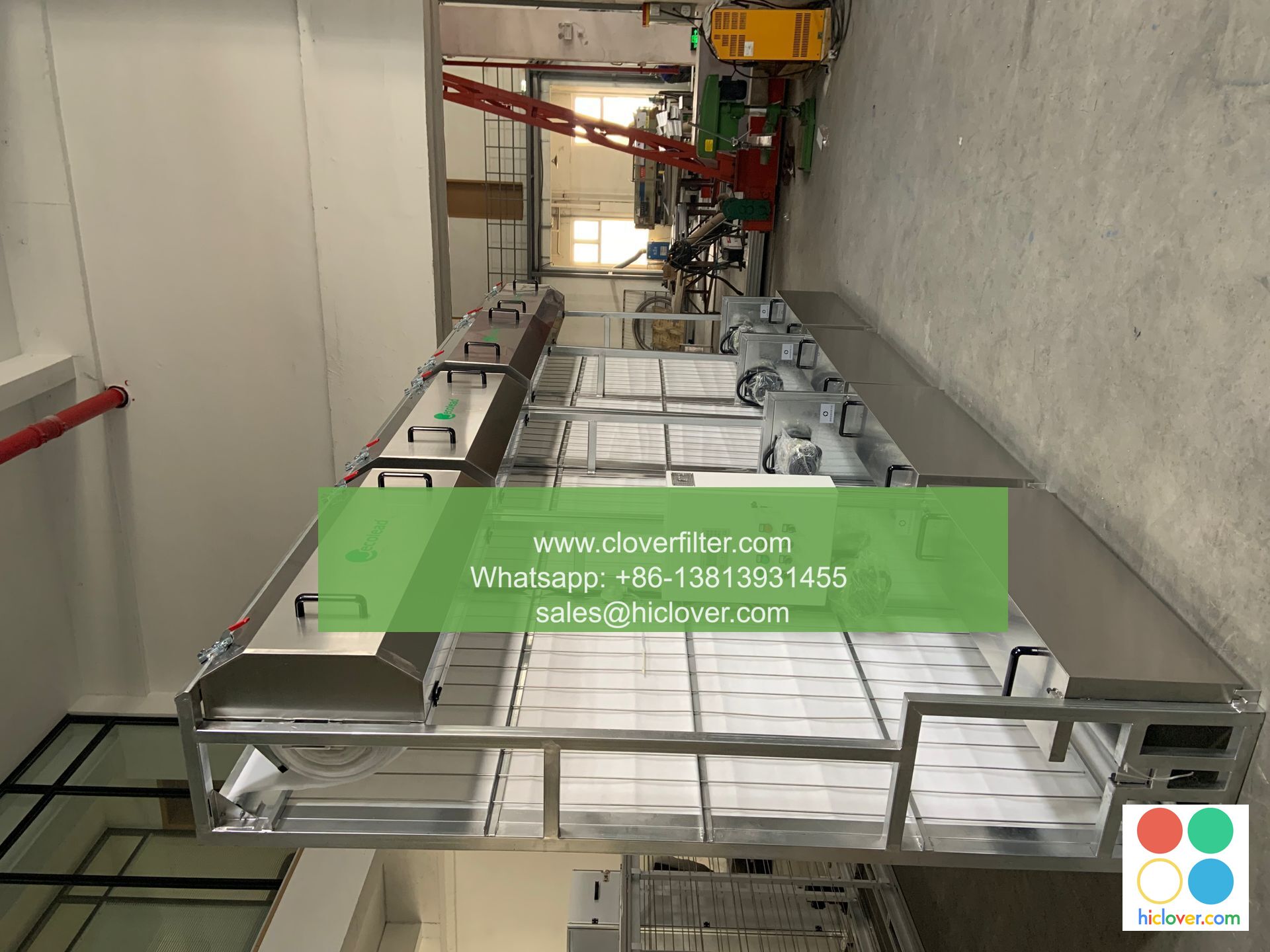
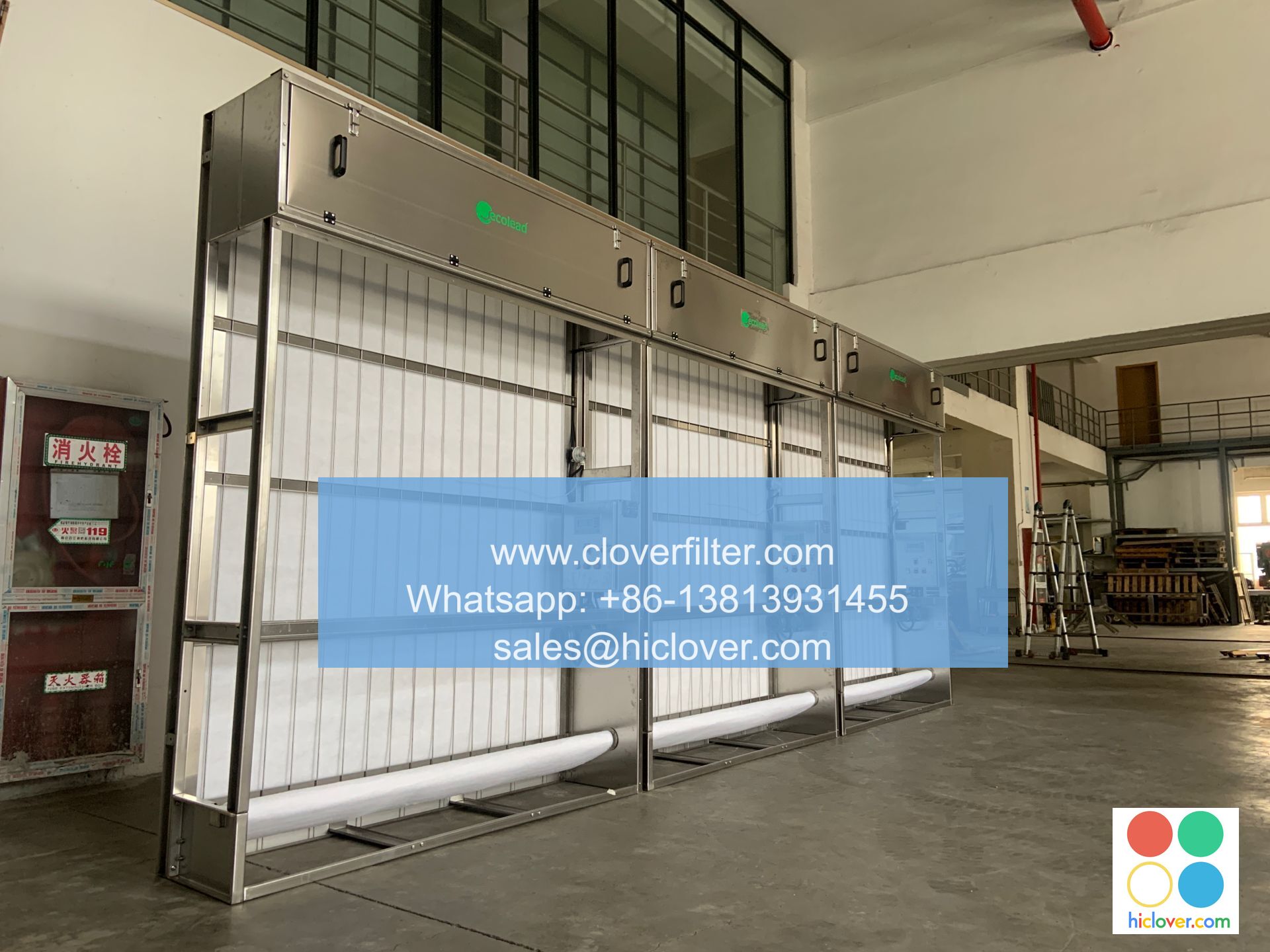
Air filters are essential components of HVAC systems, serving to trap dust, pollen, and other particles, including mold spores. Regular usage and maintenance of air filters can significantly influence indoor air quality:
Types of Air Filters
Filters come in various forms, including:
- HEPA filters: High-Efficiency Particulate Air filters effectively capture smaller particles.
- UV filters: UV light helps in killing mold spores.
- Electrostatic filters: These use static electricity to attract and capture particles.
Effects of Filter Movements on Mold Growth
Filter movements pertain to both the physical placement of filters and their regular maintenance. Several key effects include:
1. Maintenance and Replacement Frequency
Regularly changing or cleaning filters helps prevent them from becoming clogged with debris, which can lead to decreased air flow and increased humidity levels, creating a more favorable environment for mold.
2. Filter Positioning
Improperly positioned filters can lead to uneven air circulation, leaving certain areas of the home prone to moisture buildup and mold growth. Strategic placement of air filters can help distribute air more evenly throughout the space.
Application Areas to Prevent Mold and Mildew
Understanding the implications of air filter movements can have significant application in various residential areas:
1. Basements and Crawl Spaces
These areas are particularly vulnerable to moisture. Implementing effective air filtration systems can aid in reducing humidity and mold presence.
2. Bathrooms and Kitchens
High moisture levels in these rooms necessitate the use of effective air filters paired with exhaust fans to control humidity and inhibit mold growth.
3. Living Areas and Bedrooms
Consistent airflow and air filtration can enhance the overall indoor air quality, reducing allergens and promoting healthier living environments.
Conclusion
The movement of air filters and their proper management is crucial in combating mold and mildew growth in residential settings. By prioritizing air quality and implementing effective filtration systems, homeowners can significantly mitigate risks associated with these fungi, leading to a healthier indoor environment.
It seems like you’re looking for a prompt, but I’ll need a bit more context to provide you with an ideal one. Are you looking for a writing prompt, a prompt for a discussion, or something else? Please provide a little more detail!
