The Effects of Automatic Roll Air Filters on Research Lab Temperature and Humidity Control
Introduction

Maintaining optimal temperature and humidity levels in research laboratories is crucial for accurate data collection and sensitive experiments.
Automatic roll air filters have emerged as a vital component in achieving these goals. This article explores the effects of these filtering systems on lab environments and highlights various applications.
Understanding Automatic Roll Air Filters
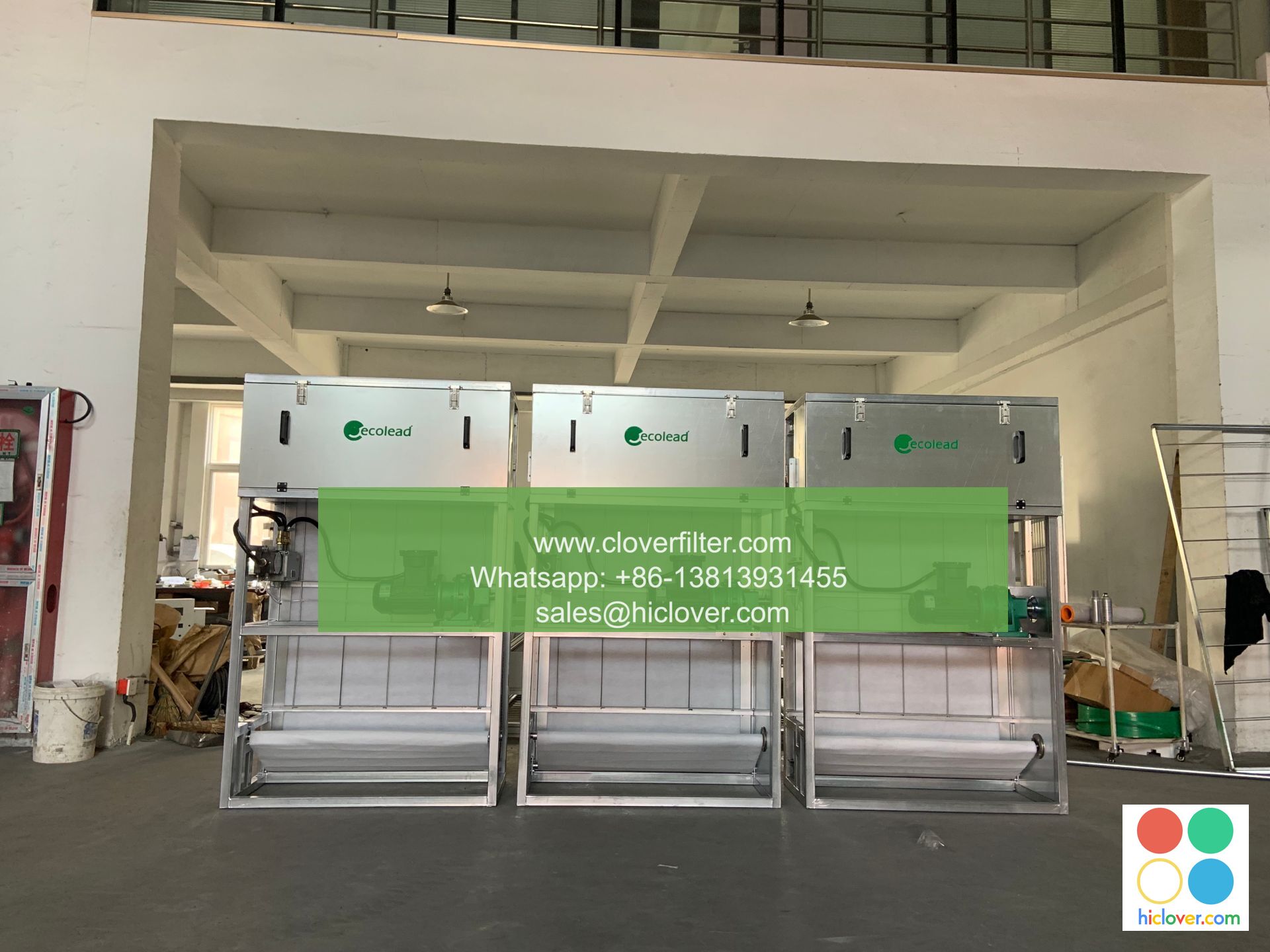
Automatic roll air filters are designed to continuously monitor and filter the air circulation in a laboratory setting.
Unlike traditional filters, these systems can automatically roll and replace themselves, ensuring that the air quality remains high without requiring frequent manual intervention.
This technology has several implications for temperature control and humidity regulation.
Temperature Control Benefits
One of the primary effects of implementing automatic roll air filters is their substantial impact on maintaining consistent temperature levels.
These filters enhance the HVAC systems’ efficiency by removing particulates and preventing overheating of cooling coils, thereby:
- Reducing risk of temperature fluctuations
- Enhancing the lifespan of laboratory equipment
- Improving overall energy efficiency
In environments where temperature sensitivity is paramount, such as in pharmaceutical labs or materials testing facilities,
these systems can ensure that experiments yield reliable and reproducible results.
Humidity Regulation Advantages
In addition to temperature control, humidity management is critical in many laboratory settings. Automatic roll air filters contribute significantly to humidity regulation in several ways:
- Removing excess moisture from the air
- Preventing the growth of mold and bacteria, especially in biological labs
- Maintaining optimal conditions for sensitive instruments and samples
For instance, in chemical analysis labs, maintaining low humidity levels is essential to prevent the degradation of reagents,
thus allowing for consistent experimental outcomes.
Application Areas of Automatic Roll Air Filters
The implementation of automatic roll air filters can be observed across various scientific fields. Key application areas include:
Pharmaceutical Laboratories
In pharmaceutical research, strict environmental controls are essential for drug formulation and testing.
Automatic roll air filters aid in both temperature and humidity control, ensuring compliance with industry regulations.
Biological Research Facilities
Biological laboratories require specific humidity and temperature ranges for the proper maintenance of cultures and biological materials.
These filters provide the stability needed for long-term experiments.
Material Science and Engineering
In material science, temperature variations can significantly affect material properties.
Automatic roll air filters help mitigate these effects by ensuring uniform environmental conditions.
Conclusion
The integration of automatic roll air filters offers substantial benefits in the regulation of temperature and humidity
within research laboratories. By ensuring a stable environment, these systems support reliability and accuracy in scientific research.
As technology evolves, the importance of such innovations will only grow, providing labs with the necessary tools to advance their work in an increasingly demanding field.
