The Emerging Trend of Air Filter-Based Air Quality Monitoring Systems
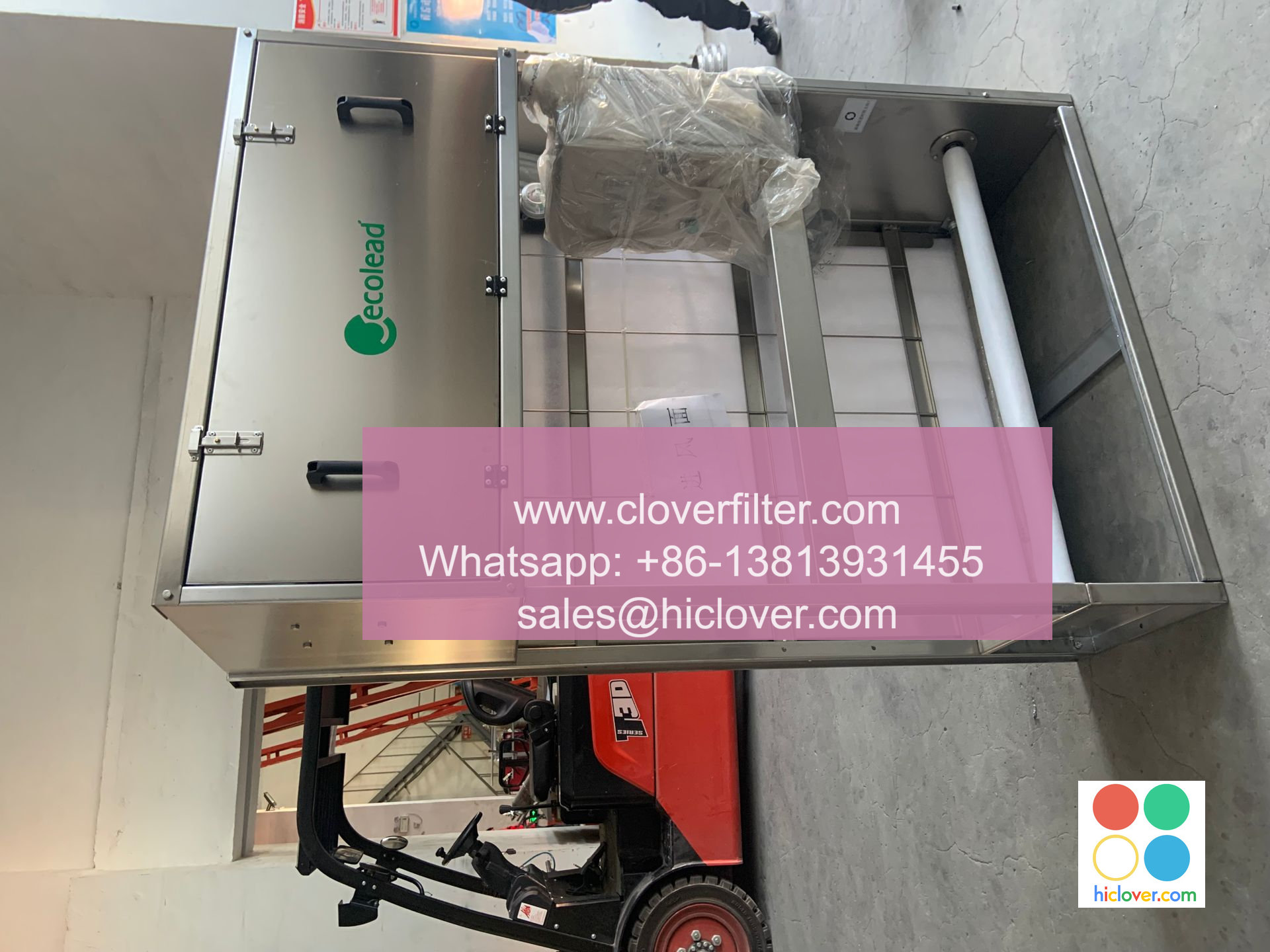
As urbanization rises and environmental concerns escalate, air quality has become a significant focus for governments, businesses, and individuals alike. This has led to the advent of air filter-based air quality monitoring systems, which serve as a vital tool for assessing air quality in real time. These innovative systems are designed to not only monitor but also improve indoor and outdoor air quality, making them indispensable in various application areas.
Understanding Air Filter-Based Monitoring Systems

Air filter-based air quality monitoring systems utilize advanced filtration technology combined with sophisticated sensor arrays to detect and measure pollutants and particulate matter in the air. These systems are capable of capturing harmful particles, ranging from dust and pollen to volatile organic compounds (VOCs) and nitrogen dioxide (NO2). The data collected can provide actionable insights for improving air quality, thus enhancing public health and environmental conditions.
Key Features of Air Quality Monitoring Systems
- Real-Time Monitoring: Continuous tracking of air quality metrics enables immediate detection of pollution spikes.
- Data Analysis: Advanced algorithms analyze collected data, offering predictive insights on pollution patterns.
- User-Friendly Interface: Many systems feature mobile applications that allow users to access air quality information effortlessly.
- Integration with Smart Technologies: Compatibility with IoT devices facilitates a more comprehensive approach to air quality management.
Application Areas of Air Filter-Based Air Quality Monitoring Systems
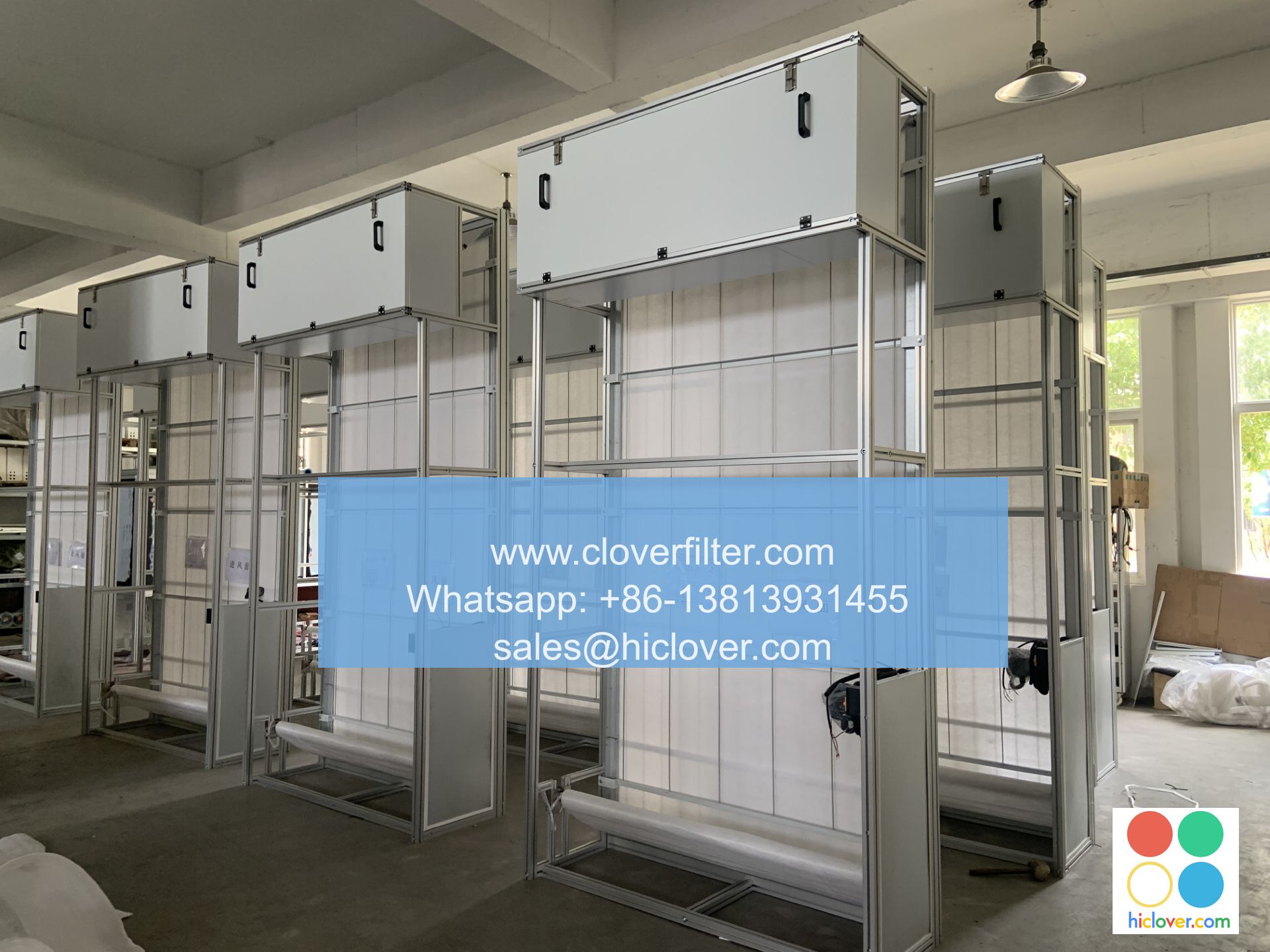
The versatility of air filter-based monitoring systems has opened up numerous application areas:
1. Urban Environments
In cities, where traffic and industrial activities contribute heavily to atmospheric pollution, these systems can be deployed to monitor air quality consistently. Public health authorities use the data to issue alerts and implement mitigation strategies during high pollution days.
2. Residential Spaces
Homeowners are increasingly adopting air quality monitoring systems to ensure a healthy living environment. By filtering pollutants and tracking indoor air quality, families can make informed decisions about ventilation and air purification, ultimately reducing respiratory issues and enhancing well-being.
3. Educational Institutions
Schools and universities are integrating air filter-based monitoring systems to create a conducive learning environment. By maintaining optimal air quality, these institutions can improve student performance and reduce absenteeism related to health issues.
4. Industrial Facilities
Manufacturing plants and warehouses often contend with high levels of pollutants. Implementing air quality monitoring systems not only complies with regulatory standards but also promotes a healthier workforce and minimizes the risk of health-related incidents.
5. Agricultural Applications
In agriculture, air quality impacts crop health and yield. Monitoring systems can assess how air pollutants affect plant growth, allowing farmers to make data-driven choices that enhance productivity.
The Future of Air Quality Monitoring
The future of air filter-based air quality monitoring systems looks promising. As technology advances, we can expect improved accuracy, greater integration with existing infrastructure, and more affordable solutions for consumers. Additionally, increased awareness about the importance of air quality will further drive the demand for these systems.
Conclusion
The rise of air filter-based air quality monitoring systems represents a significant trend in environmental management. With applications spanning urban planning, health care, education, industry, and agriculture, these systems offer valuable insights that can lead to cleaner air and healthier lives. As we continue to prioritize air quality in our communities, the role of these innovative technologies will only grow stronger.
Of course! What specific prompt or topic would you like assistance with? Feel free to provide any details or ideas you have in mind.
