The Environmental Impact of Air Filters: What You Need to Know
Key Takeaways
- Understanding air filters is essential for environmental compliance and operational efficiency.
- Automatic Roll Air Filters improve air quality while minimizing maintenance.
- Proper selection can lead to energy savings and reduced operational costs.
- Knowing your filter specifications can prevent costly errors.
- Compliance with ISO 16890 and MERV standards is crucial for effective particulate control.
- Real-world applications demonstrate the effectiveness of advanced filtration technologies.
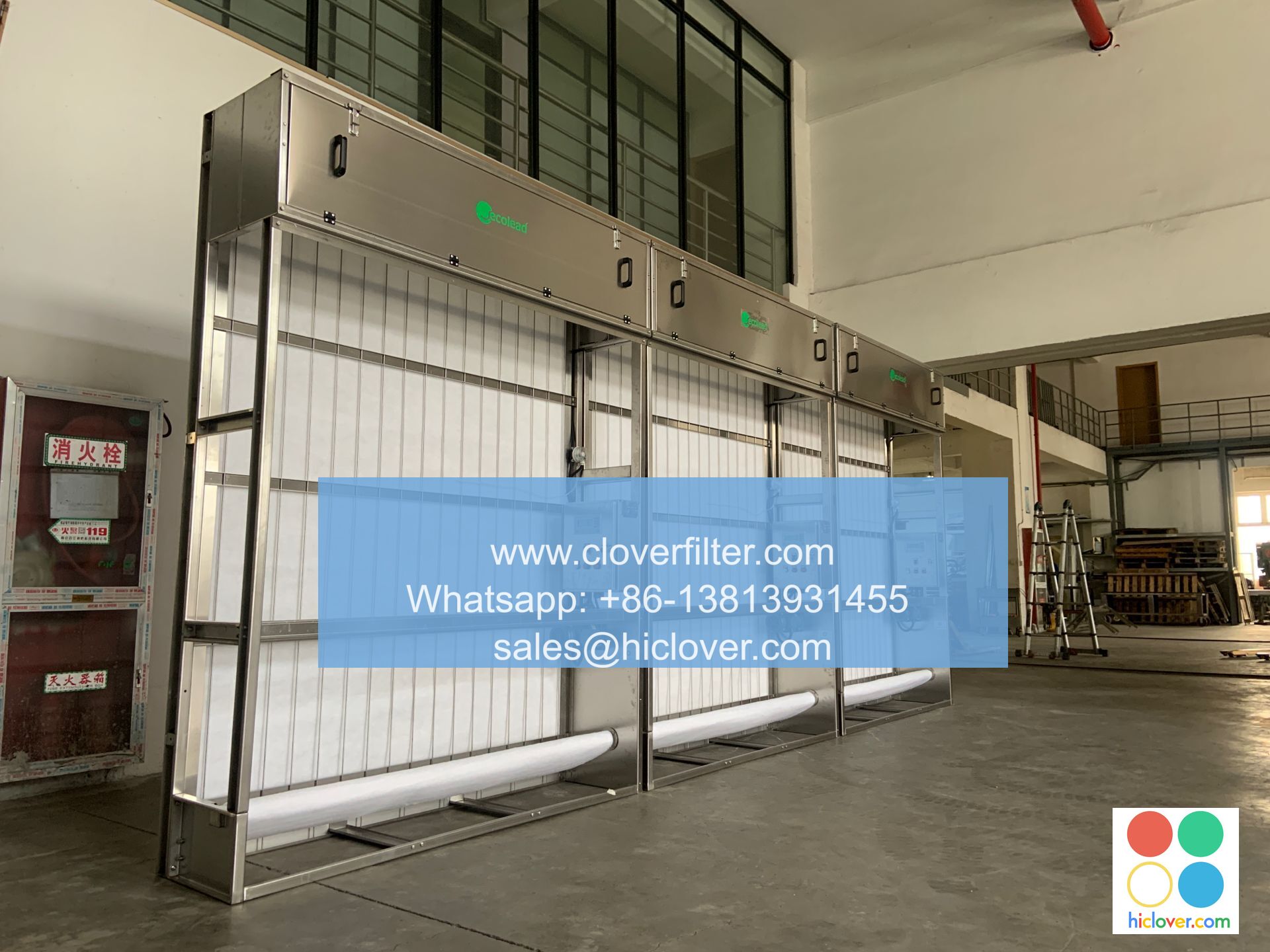
- Roll Media Advance Logic: The filter media rolls forward as it becomes saturated, ensuring that a fresh layer of filtration material is always in use.
- Differential Pressure Trigger: This feature alerts facility managers when the filter requires maintenance, reducing downtime and labor costs.
- Timer Mode: Filters can be programmed to operate at specific intervals, reducing energy consumption during off-peak hours.
- Airflow Range: Match the filter capacity with system requirements to maintain optimal airflow.
- Face Velocity: Determine the ideal speed at which air passes through the filter for effective performance.
- Media Width/Length: Ensure dimensions are appropriate for your installation space.
- Frame Size: Select frames that facilitate easy installation and replacement.
- Control Options: Consider automated management systems for monitoring filter performance.
- Power Supply: Ensure compatibility with available electrical systems.
- Installation Location: Choose the right position (fresh air intake, return, or specific process) based on operational needs.
- Overlooking airflow needs which can lead to inadequate filtration.
- Selecting filters without understanding the required MERV ratings.
- Ignoring maintenance schedules, leading to performance drops.
- Choosing incorrect dimensions, complicating the installation process.
- Failing to consider energy consumption and operating costs.
- Not accounting for the filter’s location within the HVAC system.
- Misjudging the load variations that your system may experience.

The Role of Air Filters in Industrial Environments
Air filtration is a critical component of industrial HVAC systems, significantly impacting indoor air quality (IAQ) and overall environmental conditions. An effective air filter sitemap will guide you through the selection and maintenance processes crucial for your facility’s needs.

Understanding air filters, particularly the Automatic Roll Air Filter, can enhance operational efficiency, reduce energy consumption, and improve compliance with environmental standards. These filters serve as a crucial barrier against airborne pollutants, protecting both equipment and human health.
What is an Automatic Roll Air Filter?
An Automatic Roll Air Filter is an innovative solution designed for continuous filtration, utilizing a roll media to capture particulates effectively. This type of filter operates on a simple yet effective mechanism:
How It Works
Where It Fits in HVAC/AHU Systems
Automatic Roll Air Filters can be integrated seamlessly into various HVAC systems, including fresh air intake areas, return air ducts, and specific process applications. Understanding your system’s configuration is essential for effective integration.
Practical Selection Guide
Choosing the right air filter requires detailed consideration of several factors:
Comparison Table: Air Filter Options
| Filter Type | Best Use Case | Maintenance | Pressure Drop Behavior | Operating Cost | Typical Risk/Downside |
|---|---|---|---|---|---|
| Automatic Roll Air Filter | Industrial facilities | Low | Stable under varying loads | Moderate | Initial installation cost |
| Bag Filter | General filtration | Moderate | May increase over time | Low | Space-consuming |
| Panel Filter | Standard HVAC systems | High | Consistent but limited | Moderate | Frequent replacements |
| V-bank | High-efficiency need | Moderate | Optimal with a larger area | Moderate to high | Complexity in setup |
Common Mistakes & How to Avoid Them
Avoiding common pitfalls in air filter selection and installation is key to maintaining an effective filtration system. Here are some notable errors to steer clear of:
Real-World Scenarios
Data Center
In a high-tech data center, CloverFilter’s Automatic Roll Air Filter was implemented to maintain optimal airflow while protecting sensitive equipment from particulates. The differential pressure feature enabled proactive maintenance, resulting in fewer overheated servers and lower operational costs.
Lithium Battery Factory
With stringent cleanliness requirements, a lithium battery factory utilized CloverFilter to enhance their air filtration strategy. The automatic roll media facilitated ongoing filtration, reducing manual monitoring and ensuring compliance with relevant industry standards.
Paint Shop
In a paint shop, airborne solvents and particulates pose serious health risks. By integrating an Automatic Roll Air Filter, the shop achieved significant particulate removal, leading to a safer environment for workers while reducing paint defects.
Textile/Cement Plant
A textile mill leveraged CloverFilter’s solutions to create a cleaner workspace. The V-bank filter popularity was noted for its high efficiency, but the facility opted for roll filters due to their maintenance-free nature. Consequently, they enjoyed both energy savings and lower maintenance costs.
Compliance and Standards
While discussing air filters, it’s essential to reference relevant compliance as a general framework, including ISO 16890 and MERV standards. It’s important to note that specific certifications are available on request, ensuring your filtration system is effectively designed.
FAQ Section
Q1: What is the lifespan of an Automatic Roll Air Filter?
A1: Lifespan varies by usage and environment but is typically between 6 to 12 months with proper maintenance.
Q2: How do I know when to replace the filter?
A2: The differential pressure trigger indicates the need for replacement, typically monitored through a system alert.
Q3: Can I use an Automatic Roll Air Filter with any HVAC system?
A3: Yes, these filters are versatile and can be adapted to various HVAC configurations.
Q4: How do I maintain an Automatic Roll Air Filter?
A4: Regular checks of the differential pressure and following the timer mode schedules are essential for efficient maintenance.
Q5: Are CloverFilter products environmentally friendly?
A5: Yes, CloverFilter designs their filters to reduce energy consumption and waste through efficient design and operational functionality.
Q6: What industries benefit the most from Automatic Roll Air Filters?
A6: Industries like data centers, cleanrooms, and heavy manufacturing facilities see significant benefits from improved air quality and reduced maintenance.
Meta Description: Discover the environmental impact of air filters, including the benefits of CloverFilter’s Automatic Roll Air Filters for various industries.
For tailored air filtration solutions that enhance your facility’s efficiency, reach out to CloverFilter today at CloverFilter.
It seems like you entered “Prompt” but didn’t provide any specific details or context. Could you please elaborate on what you would like assistance with? Whether it’s a writing prompt, a question, or any other topic, I’d be happy to help!
