The Environmental Impact of Automatic Media Roll Filters on Offshore Drilling
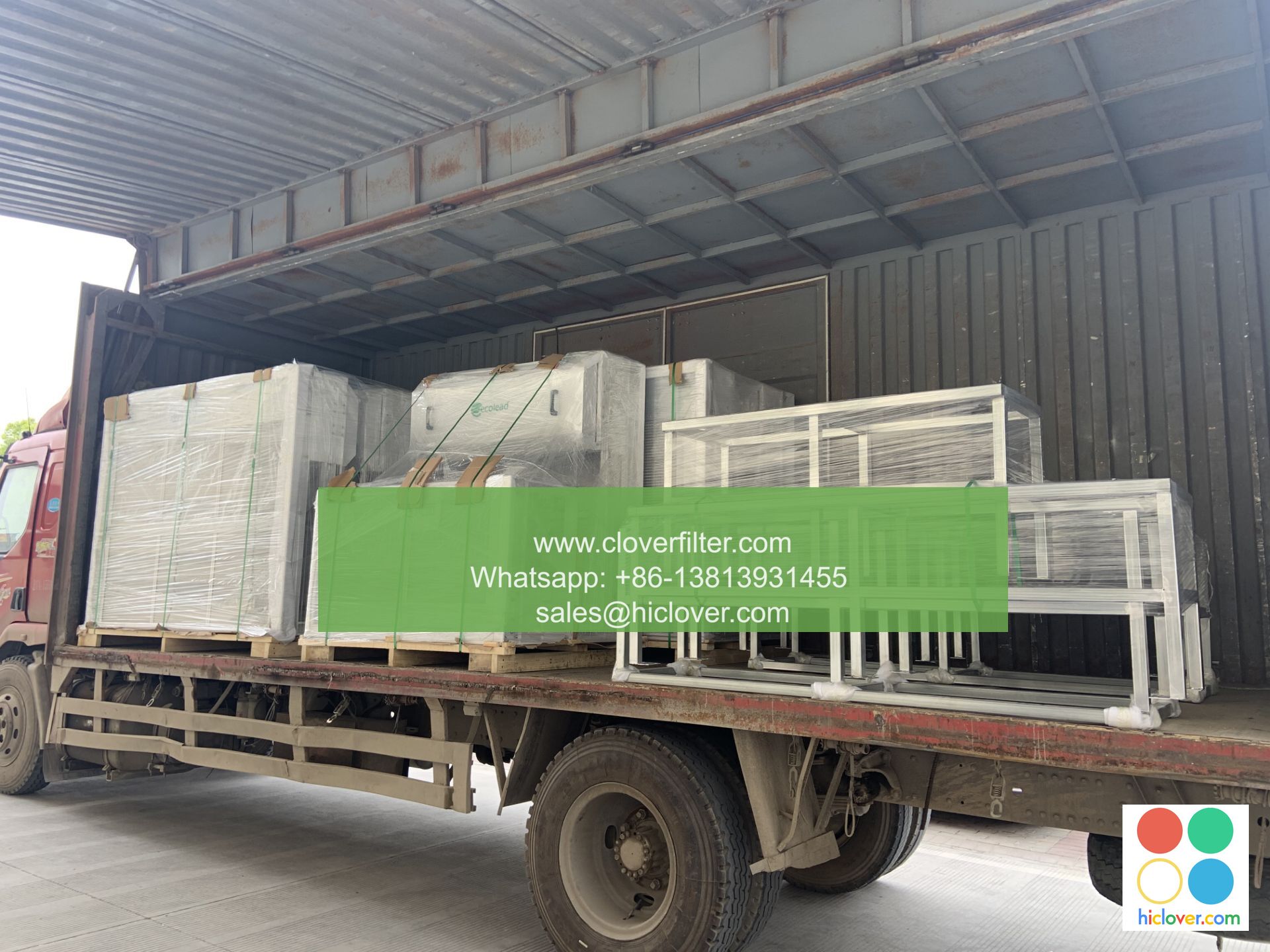
Automatic media roll filters are becoming increasingly vital in the offshore drilling industry, primarily due to their enhanced performance in managing waste and reducing environmental impact. As the demand for oil and gas continues to rise, the need for innovative filtration technology that minimizes ecological disturbances becomes crucial.
Understanding Automatic Media Roll Filters
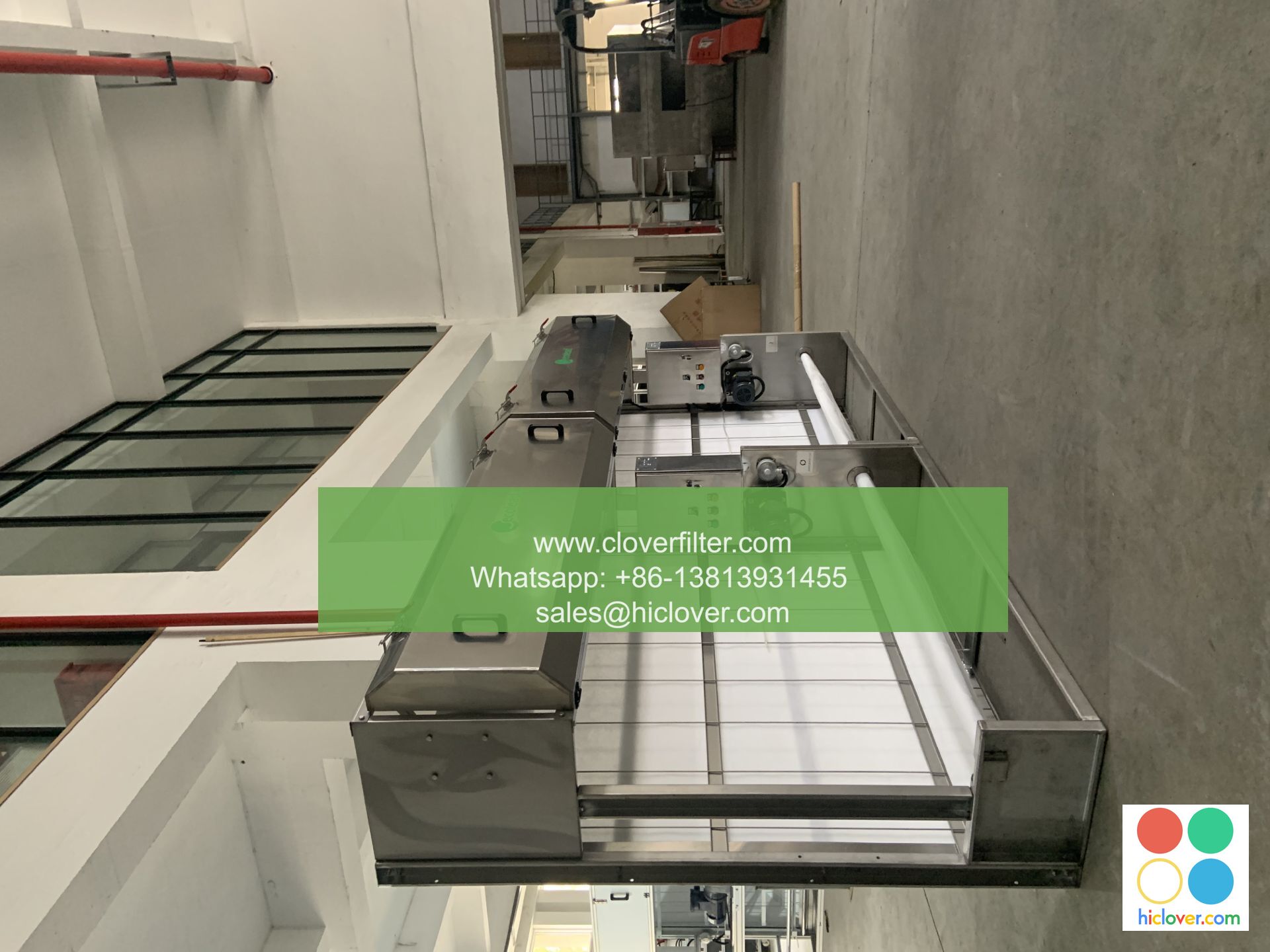
Automatic media roll filters are advanced filtration systems used to separate solid contaminants from liquids. These systems are designed to continuously filter and clean drilling fluids, significantly improving the efficiency of offshore operations. The automatic nature of these filters means they can operate without constant human intervention, which is particularly beneficial in remote offshore drilling locations.
The Role of Filters in Offshore Drilling Operations
In offshore drilling, managing waste efficiently is paramount. Traditional methods often lead to the release of harmful substances into the marine ecosystem. Automatic media roll filters offer a sustainable alternative by:
- Minimizing the discharge of solids into the ocean
- Recycling valuable drilling fluids for reuse
- Reducing the necessity for chemical additives
- Initial setup costs and maintenance expenses
- Technical complexities linked to system integration with existing drilling operations
- The need for continued research on long-term environmental impacts

Environmental Benefits of Implementing Automatic Filters
The implementation of automatic media roll filters has the potential to significantly reduce the environmental footprint of offshore drilling. Here are some benefits highlighted in various application areas:
1. Improved Water Quality
By effectively removing drilling cuttings and other contaminants from the waste stream, these filters contribute to maintaining the quality of surrounding marine environments. This is critical in preserving local biodiversity and protecting aquatic species from hazardous substances.
2. Enhanced Resource Efficiency
Automatic media roll filters allow for the recycling of drilling fluids, leading to improved resource efficiency. This not only reduces the need for new materials but also cuts costs associated with waste disposal and fluid procurement.
3. Compliance with Environmental Regulations
As environmental regulations become more stringent, using advanced filtration systems like automatic media roll filters can help offshore operators comply with local and international laws regarding waste management and pollution control.
Challenges and Considerations
Despite their many advantages, several challenges come with adopting automatic media roll filters in offshore drilling. These include:
Conclusion
The environmental impact of automatic media roll filters on offshore drilling is a compelling topic that highlights the intersection of innovation and ecological responsibility. As the industry progresses, ongoing improvements and adaptations in filtration technology will likely play a crucial role in making offshore drilling safer and more sustainable. Ultimately, the transition to these advanced solutions is a crucial step in preserving our oceans while meeting the global energy demands of the future.
Sure! How can I assist you with your prompt? Are you looking for ideas, a specific type of writing, or something else?
