The Essential Guide to Air Filters: Types, Benefits, and Maintenance
Key Takeaways
- Understanding different air filter types helps ensure optimal air quality.
- Automatic Roll Air Filters efficiently manage particulate control in various environments.
- Regular maintenance can lead to significant energy savings and reduced downtime.
- Compliance with standards like ISO 16890 and MERV should be considered in filter selection.
- Selecting the right filter involves knowing your airflow requirements and installation location.
- Improved Air Quality: Filters capture harmful particulates, ensuring cleaner air.
- Energy Efficiency: High-efficiency filters reduce energy consumption by allowing systems to operate below maximum load.
- Reduced Maintenance Costs: Automatic Roll Air Filters simplify maintenance, leading to longer service intervals.
- Compliance: Use of quality filters assists in meeting industry standards and regulatory requirements.
- Operational Longevity: Protecting HVAC systems from contaminants prolongs life and decreases the potential for costly repairs.
- Airflow Range: Ensure that the filter suits your system’s airflow requirements.
- Face Velocity: The speed at which air enters the filter affects performance; choose accordingly based on facility needs.
- Media Width/Length: Larger media can enhance particle capture; consider space constraints.
- Frame Size: Ensure compatibility with HVAC system designs.
- Control Options: Evaluate manual vs. automated controls based on operational preferences.
- Power Supply: Confirm necessary power specifications for the roll media system.
- Installation Location: Choose between fresh air intake and return, depending on the specific application.
- Choosing the wrong filter type for specific applications.
- Underestimating airflow requirements, leading to inefficiencies.
- Neglecting maintenance schedules, resulting in decreased performance.
- Ignoring pressure drops during selection, which can strain the HVAC system.
- Not understanding the local environment’s pollutant levels, leading to inadequate filtration.
- Failing to check compatibility with existing systems and infrastructure.
- Overlooking energy costs, which can escalate with ineffective filters.
-
Data Center: Utilizing Automatic Roll Air Filters ensures optimal cooling performance and air quality, vital for server reliability. This configuration minimizes downtime by reducing filter maintenance needs.
-
Battery Factory: High efficiency and particulate control are essential in a lithium battery plant. The Automatic Roll filter captures hazardous materials, thus safeguarding both product integrity and worker safety.
-
Paint Shop: Controlling volatile organic compounds (VOCs) and maintaining clear air is critical. An Automatic Roll Air Filter maintains clean air while managing the complexities of particulate control.
-
Textile/Steel/Cement Plant: These facilities require robust filtration solutions to manage heavy dust and particulate matter. The high filtration efficiency of roll filters reduces both damage to equipment and airborne health hazards.

What is an Automatic Roll Air Filter?
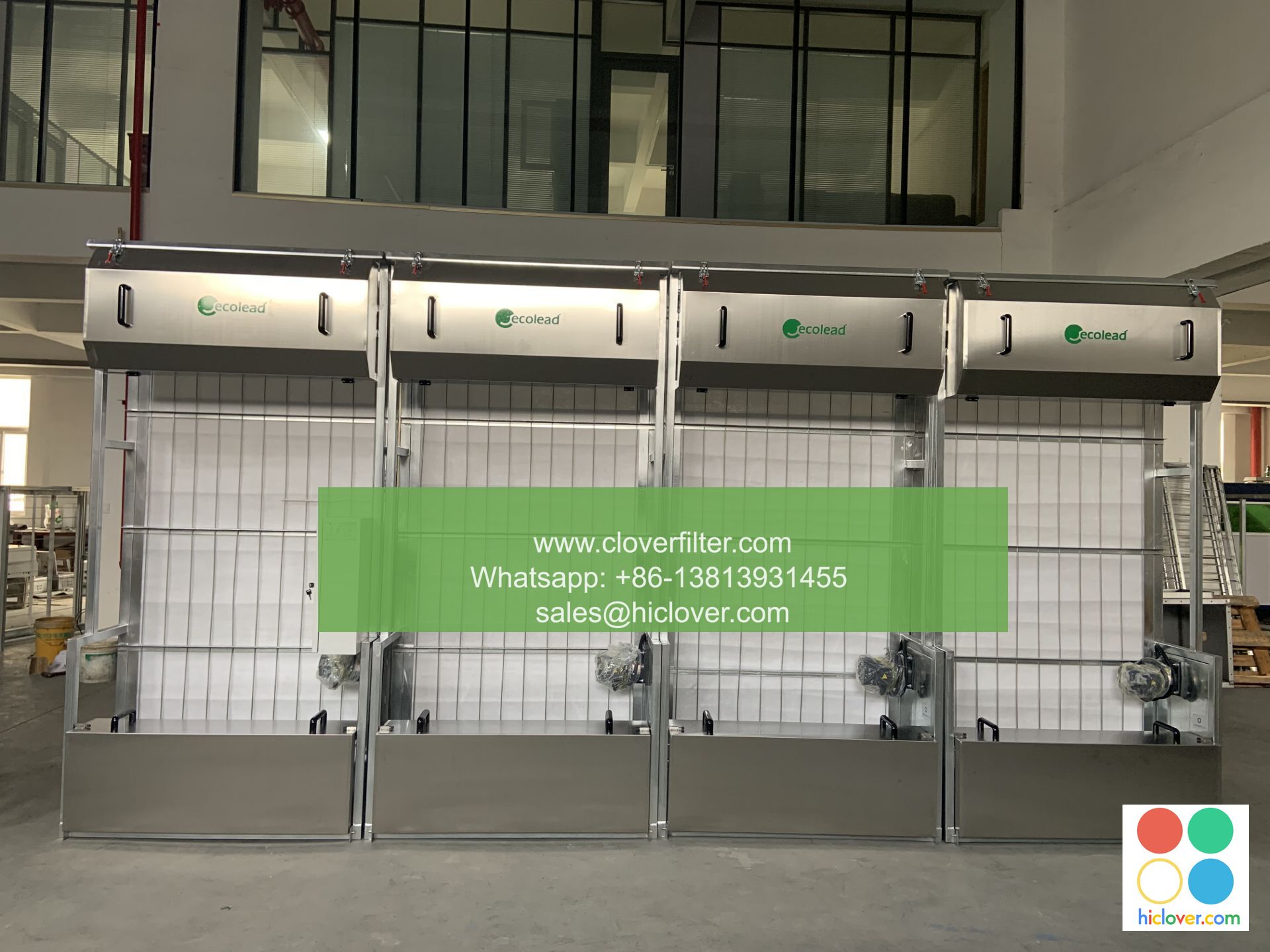
An Automatic Roll Air Filter is a high-efficiency air filtration solution designed to operate within HVAC/AHU systems. Utilizing roll media advance logic, this filter automatically replaces the used filtration media when a differential pressure trigger indicates that the filter has reached its capacity. The timer mode further enhances efficiency by ensuring timely replacement, minimizing maintenance needs, and maintaining optimal operational conditions.
This type of filter excels in environments requiring constant air quality, such as cleanrooms, data centers, and manufacturing facilities. By ensuring that particulate matter is effectively captured, it helps to prolong equipment lifespan, improve indoor air quality, and comply with regulatory standards.

Types of Air Filters
1. Automatic Roll Air Filters
Best For: High-efficiency filtration in various industrial applications, minimizing operational interruptions.
2. Bag Filters
Best For: Larger particles and longer replacement cycles in environments with lower air quality demands.
3. Panel Filters
Best For: Economical and standard filtration in residential and light commercial settings.
4. V-Bank Filters
Best For: Higher airflow rates and low space requirements, offering high MERV ratings in a compact design.
Benefits of Using Air Filters
Practical Selection Guide for Air Filters
When selecting the right air filter, consider the following aspects:
Comparison of Air Filter Types
| Filter Type | Best Use Case | Maintenance | Pressure Drop Behavior | Operating Cost | Typical Risk/Downside |
|---|---|---|---|---|---|
| Automatic Roll Air Filter | High-efficiency industrial applications | Minimal, automated | Low-pressure drop | Moderate | Initial cost investment |
| Bag Filter | General purpose, low-cost applications | Moderate | Moderate to high | Low to moderate | Frequent changing needed |
| Panel Filter | Light commercial/residential needs | High | Low-pressure drop | Low | Limited performance |
| V-Bank Filter | Compact spaces, high air quality needs | Moderate | Low-pressure drop | Moderate | Space constraints |
Common Mistakes & How to Avoid Them
Real-World Scenarios
FAQ
Q1: What is the primary benefit of using an Automatic Roll Air Filter?
A: It offers automated maintenance, efficiently preserving air quality and reducing downtime.
Q2: How do I determine the right filter for my facility?
A: Consider factors like airflow, installation location, and specific industry requirements, and consult product specifications from providers like CloverFilter.
Q3: What is the typical lifespan of an air filter?
A: Depending on usage and environmental conditions, filters can last anywhere from a few weeks to several months.
Q4: Are there any specific compliance standards I should be aware of?
A: Awareness of standards like ISO 16890 and MERV helps in selecting the right filter but check for specific certifications available on request.
Q5: Can using a better filter reduce energy costs?
A: Yes, high-efficiency filters can lower resistance in airflow, leading to significant energy savings over time.
Q6: What maintenance practices are crucial for air filters?
A: Regular inspections and timely replacements based on differential pressure readings are vital to ensure optimal performance.
Maintaining high air quality in industrial environments requires a strategic approach to air filtration. Understanding the benefits of different filter types, especially the innovative Automatic Roll Air Filter from CloverFilter, will help ensure operational efficiency while complying with industry standards.
Meta Description: Explore types, benefits & maintenance of air filters in our air filter blog. Discover Automatic Roll Air Filters for optimal industrial air quality.
CloverFilter offers solutions tailored to your filtration needs. For personalized assistance, contact us at CloverFilter Contact.
It looks like your message got cut off. Could you please provide more details or clarify what prompt you would like me to respond to?
