The Essential Role of Air Filters in Indoor Air Quality

- High-quality air filters enhance indoor air quality across various industrial applications.
- Automatic Roll Air Filters efficiently manage differential pressure to optimize airflow.
- Properly selected filters contribute to energy savings and maintenance reduction.
- Identifying user needs is crucial in selecting the right type of air filter for HVAC/AHU systems.
- Compliance with recognized standards like ISO 16890 can provide assurance of filtration performance.
- Regular maintenance ensures optimal air filter performance and longevity.
- CloverFilter offers innovative solutions for diverse air filter applications in multiple industries.
- Roll Media Advance Logic: The roll media automatically advances as it collects particulates, optimizing the filter life while maintaining effective filtration capabilities.
- Differential Pressure Trigger: A differential pressure sensor monitors the pressure drop across the filter; when it reaches a set point, the roll media is deployed.
- Timer Mode: In addition to responding to pressure changes, a timer mode can be configured to refresh the filter at regular intervals, ensuring consistent performance.
- Airflow Range: Understand the expected airflow to determine the appropriate filter size and configuration.
- Face Velocity: Choose a face velocity that matches the system requirements without causing excessive pressure drop.
- Media Width/Length: Custom media dimensions can be configured for non-standard applications.
- Frame Size: Ensure proper fit within existing air handling systems.
- Control Options: Select control mechanisms compatible with current systems for easy integration.
- Power Supply: Investigate power requirements for automation features if applicable.
- Installation Location: Determine the most effective installation point (e.g., fresh air intake, return, or process filtration).
- Ignoring specific airflow requirements: Always benchmark air filter selection against the actual system needs.
- Underestimating pressure drop: Ensure comprehensive calculations are done to avoid system overload.
- Neglecting maintenance schedules: Plan regular cleaning and replacement to ensure efficiency.
- Overlooking installation positions: Proper fit and strategic locations are crucial for optimal performance.
- Choosing filters without considering MERV ratings: Assess the filtration needs based on industry requirements.
- Assuming all filters are the same: Understand the specific advantages of each filter type.
- Failing to account for humidity or temperature variations: Select filters that can withstand operational conditions.
- Not assessing the dust holding capacity: Choosing low-quality filters can lead to frequent replacements.
- Over-automation: Automated controls should enhance function, not complicate maintenance.
- Disregarding compatibility with existing systems: Ensure seamless integration for reliability.
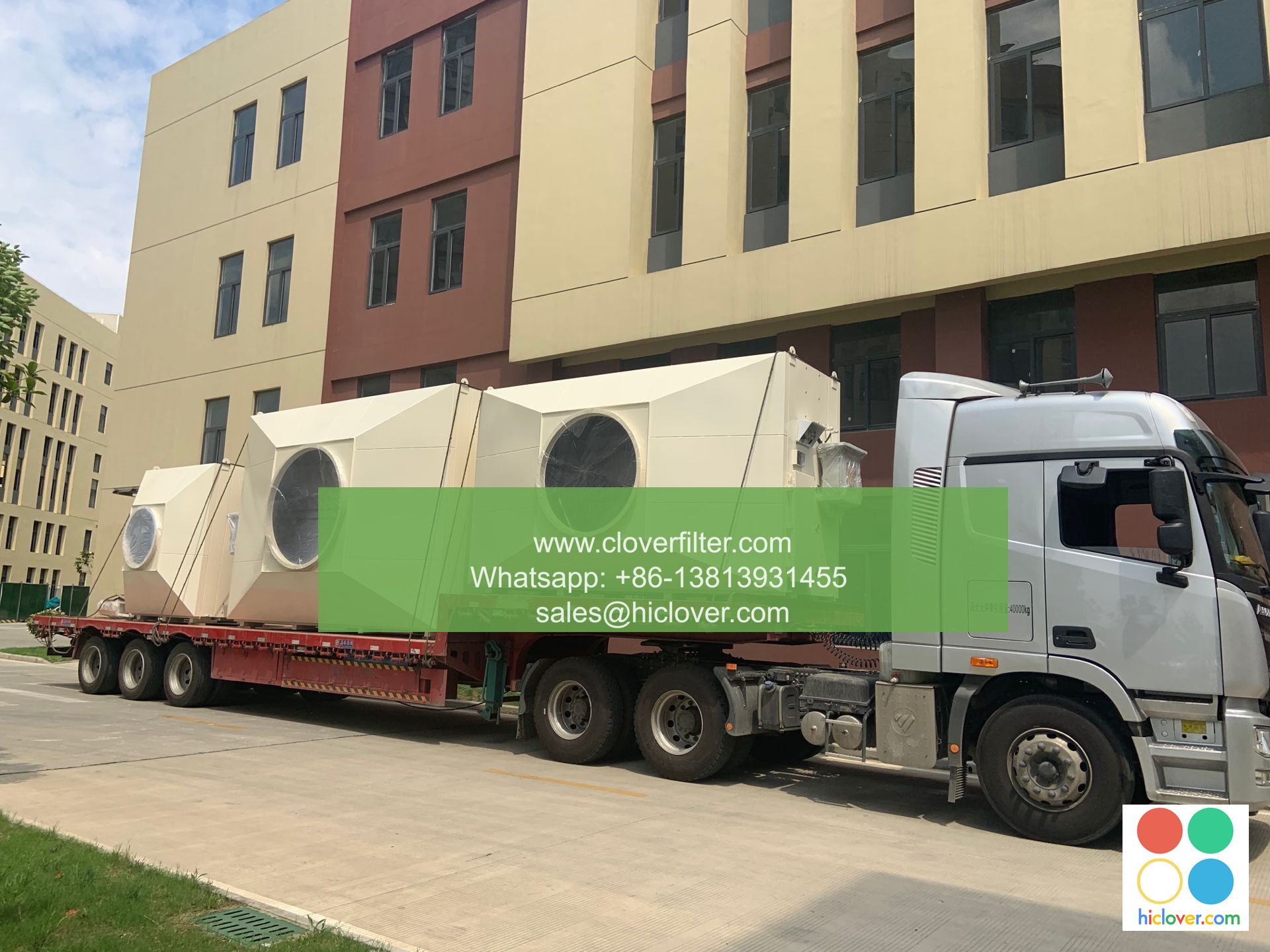
Understanding Automatic Roll Air Filters
Automatic Roll Air Filters are a crucial component in managing indoor air quality. These filters feature a roll media that advances based on differential pressure triggers and timer protocols. As air passes through the filter, particulate matter is trapped on the surface, protecting downstream equipment and improving overall air quality. These filters are typically implemented in HVAC systems and AHUs (Air Handling Units) where they ensure efficient air cleaning, especially in environments requiring stringent air quality control such as cleanrooms and hospitals.
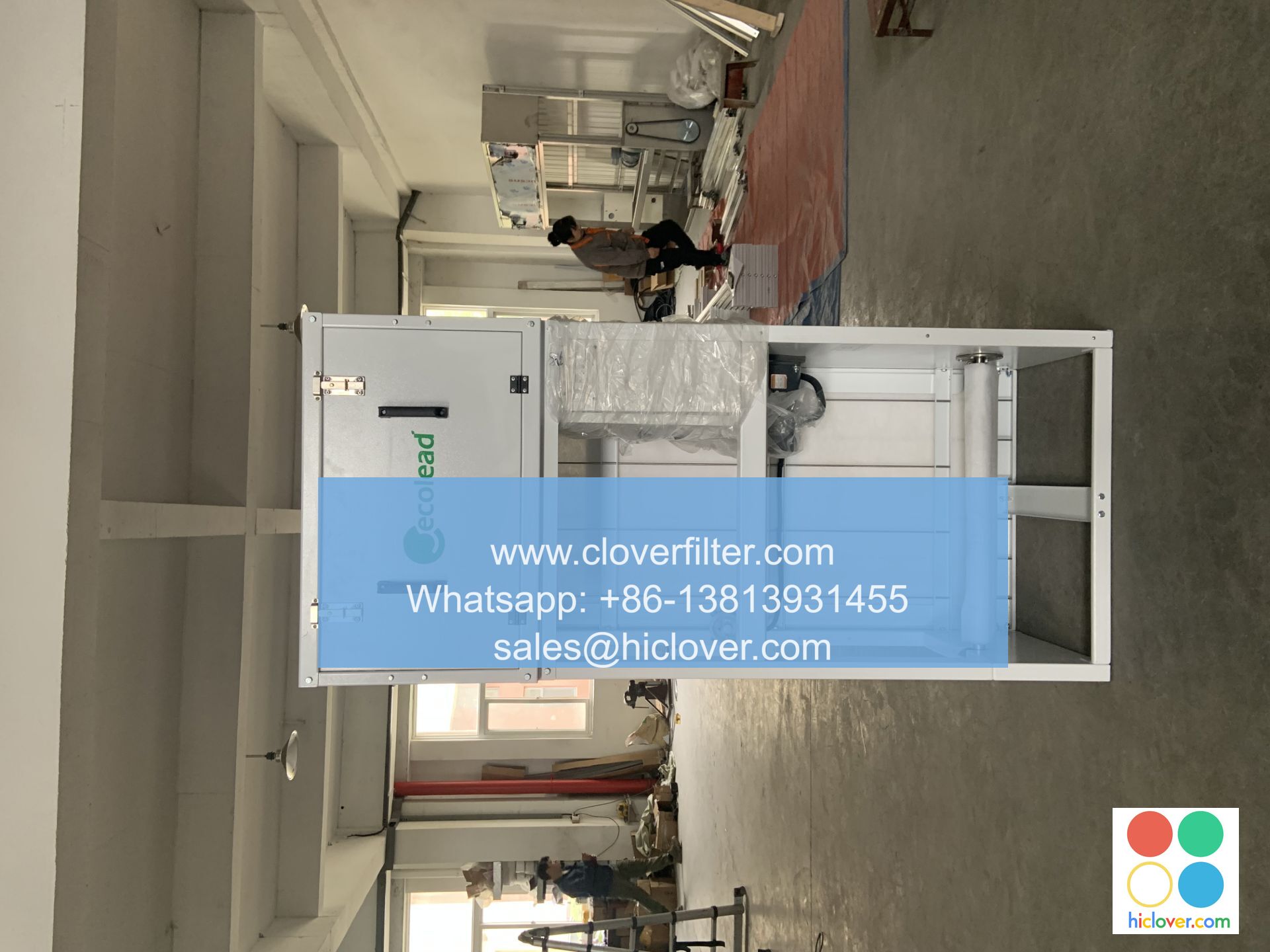
How Automatic Roll Air Filters Work
These features make the Automatic Roll Air Filter a reliable choice in various air filter applications, where it can effectively manage air quality in environments ranging from manufacturing plants to healthcare facilities.
Practical Selection Guide for Air Filter Applications
When selecting the right air filter, various parameters must be considered to ensure optimal operation:
Comparison of Air Filter Types
| Filter Type | Best Use Case | Maintenance | Pressure Drop Behavior | Operating Cost | Typical Risk/Downside |
|---|---|---|---|---|---|
| Automatic Roll Air Filter | Variable airflow | Low | Low | Medium | Media waste if improperly selected |
| Bag Filter | General use | Medium | Moderate | Medium | Higher pressure drop over time |
| Panel Filter | Light-duty | Low | Low | Low | Limited life in high dust areas |
| V-Bank Filter | High dust load | High | High | High | Frequent replacements required |
Common Mistakes & How to Avoid Them
Real-World Scenarios
Data Center
In a data center, maintaining optimal air quality is critical. An Automatic Roll Air Filter from CloverFilter efficiently removes dust and contaminants, ensuring reliable performance of sensitive IT equipment while minimizing energy costs.
Lithium Battery Factory
A lithium battery production facility uses Automatic Roll Air Filters to provide clean airflow during manufacturing and packaging processes. This minimizes contamination, improving product yield and safety compliance.
Paint Shop
A paint shop benefits from robust air filtration with Automatic Roll Air Filters to capture overspray and airborne particulates, ensuring a clean working environment and compliance with safety regulations.
Textile/Cement Plant
In textile and cement plants, Automatic Roll Air Filters help maintain air quality by controlling particulate matter emissions, thus protecting worker health and enhancing overall operational efficiency.
FAQ Section
Q1: What are the primary applications of Automatic Roll Air Filters?
A1: They are used in cleanrooms, data centers, manufacturing facilities, hospitals, and more, to enhance air quality and compliance.
Q2: How often should air filters be replaced?
A2: This depends on usage and environmental conditions; monitoring differential pressure can help determine optimal replacement timing.
Q3: Are CloverFilter products compliant with industry standards?
A3: Yes, CloverFilter options are designed to meet various industry frameworks, with specific certifications available upon request.
Q4: Can I customize the filters for specific installations?
A4: Absolutely! CloverFilter provides custom sizes and configurations to meet your specific setup needs.
Q5: What is the energy efficiency of Automatic Roll Air Filters?
A5: These filters can significantly reduce energy costs through optimized airflow and reduced pressure drops.
Q6: Is maintenance complicated with Automatic Roll Air Filters?
A6: No, they are designed for low maintenance, helping organizations focus on operational efficiency rather than filter upkeep.
Key Takeaways
Investing in the right air filters is essential for maintaining air quality in industrial environments. Automatic Roll Air Filters from CloverFilter provide efficient and versatile solutions across various air filter applications. Their advanced features, ease of installation, and low maintenance requirements make them a practical choice for HVAC enthusiasts. For more information, visit CloverFilter’s website or contact us directly for tailored solutions.
Meta Description: Discover the essential role of air filters in indoor air quality and how CloverFilter’s Automatic Roll Air Filters optimize industrial air filter applications.
It seems like your message got cut off! Could you please provide more context or details about what you’re looking for? Whether it’s a prompt for writing, a question, or something else, I’m here to help!
