The Future of Aerospace Cleanroom Air Filtration: Advances in Automatic Roll Filter Technology
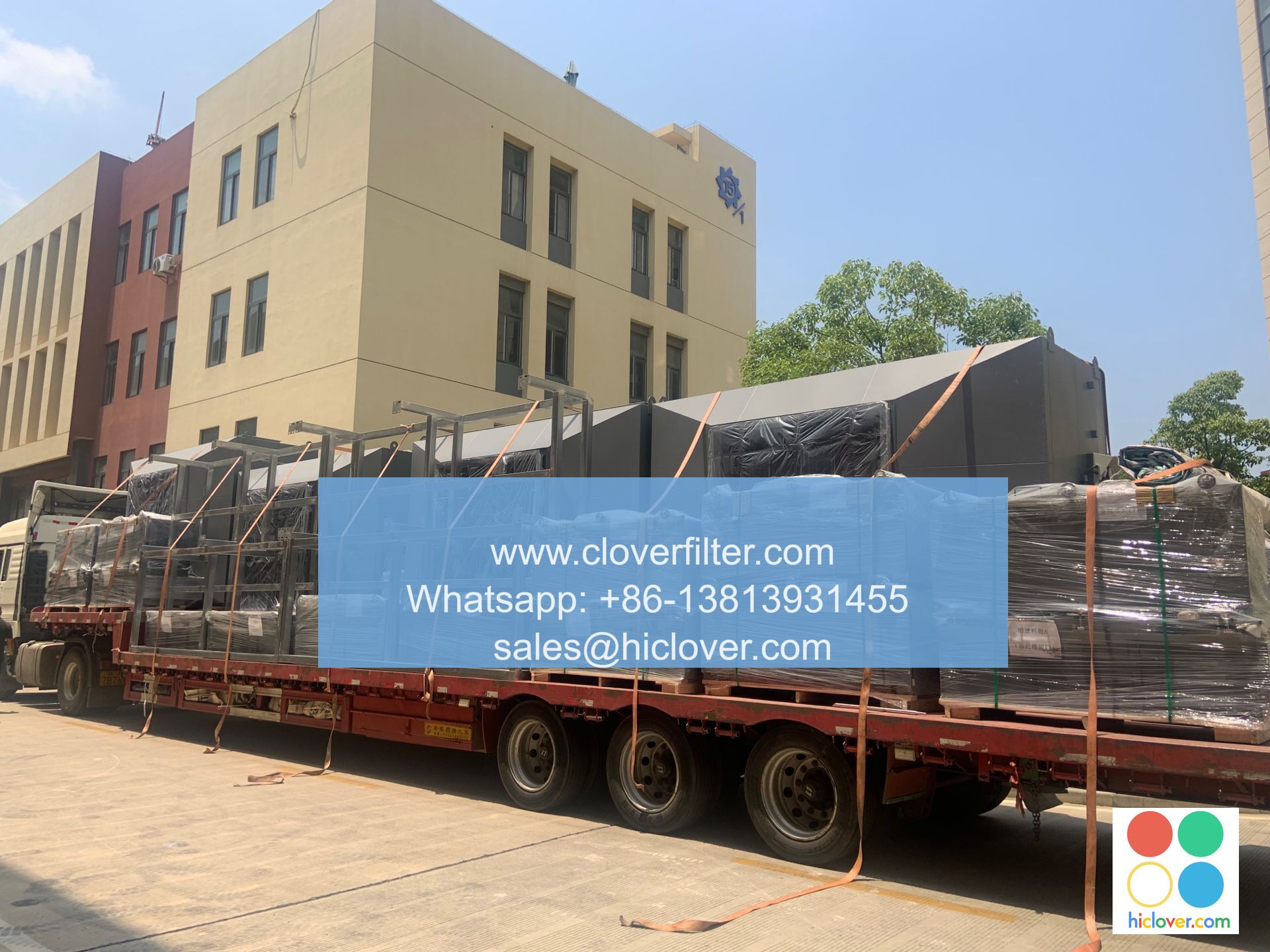
The aerospace industry continues to push the boundaries of technology, and one of the critical areas of focus is maintaining clean environments essential for manufacturing and assembly. Central to this cleanliness are advanced air filtration systems, particularly in cleanrooms, where even the slightest contamination can lead to significant problems. With the advent of automatic roll filter technology, the future of aerospace cleanroom air filtration is poised for significant advancements. This article explores these developments and their implications for the industry.
What Are Automatic Roll Filters?

Automatic roll filters represent a significant leap in cleanroom air filtration technology. Unlike traditional filter systems that are often cumbersome to maintain and replace, automatic roll filters utilize continuous rolling mechanisms to provide a constant supply of clean air. This innovative design allows for seamless replacement of filtration media, ensuring that cleanroom environments remain uncontaminated.
Key Features of Automatic Roll Filters
- Continuous Operation: Automatic roll filters enable uninterrupted air flow, which is crucial in aerospace cleanrooms where processing must occur without interruption.
- Cost-Effective Maintenance: The use of a roll system reduces labor costs associated with routine maintenance and replacement, making it more economically viable for long-term use.
- Enhanced Efficiency: These filters can handle various particle sizes effectively, ensuring higher-quality air filtration and reducing the risk of contamination.
Applications in the Aerospace Industry
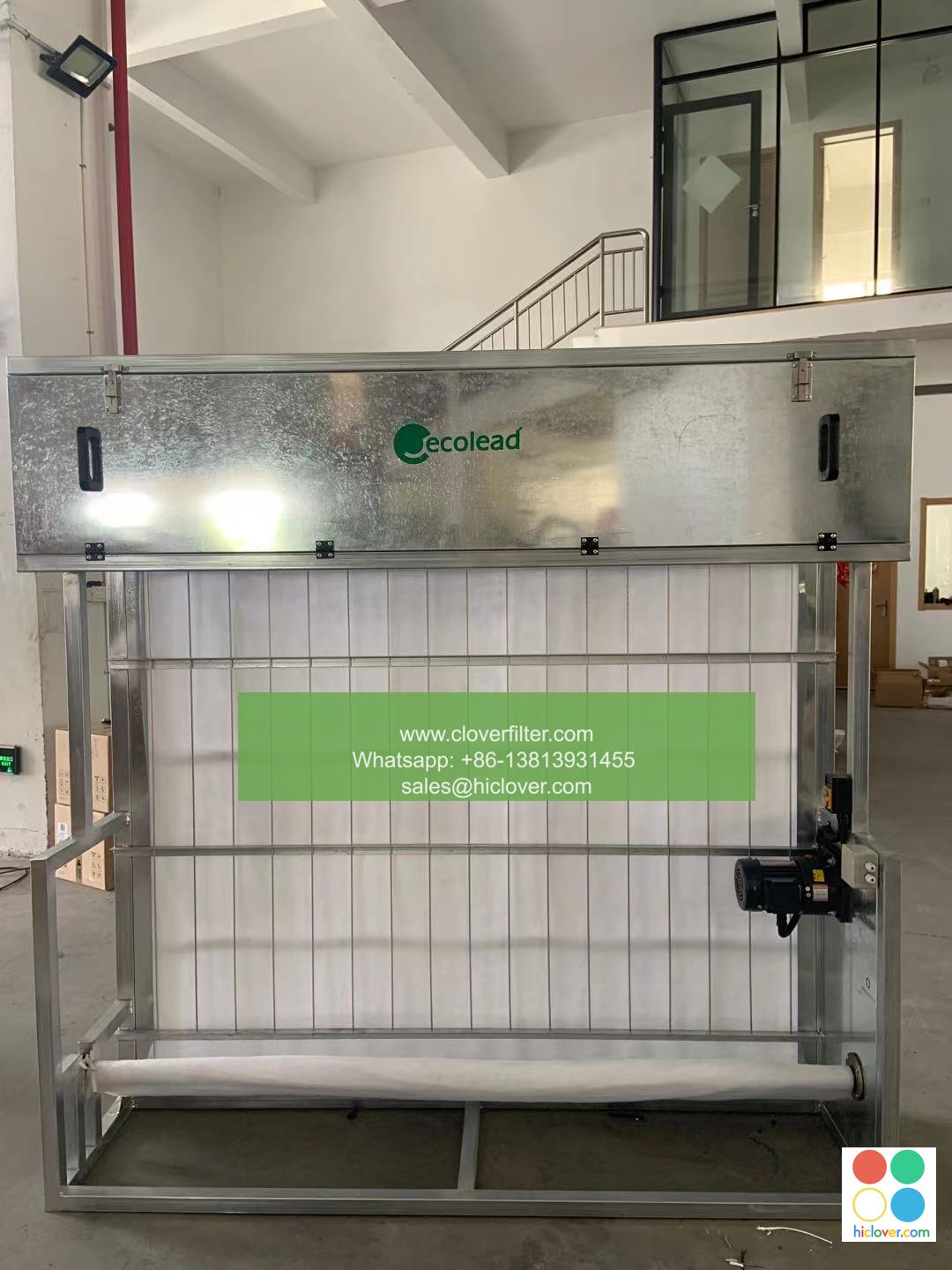
Automatic roll filter technology is applicable in multiple areas within the aerospace sector, ensuring that cleanroom air quality meets stringent standards. Some notable applications include:
1. Manufacturing of Aircraft Components
The fabrication of aircraft components, such as wings, fuselage, and engines, heavily relies on cleanroom environments. Automatic roll filters are capable of maintaining low levels of particulate contamination, which is essential for processes like precision machining and assembly.
2. Aerospace Electronics Production
The production of sensitive electronic components, such as avionics systems, demands impeccable air quality. Automatic roll filters can keep these environments free from contaminants that could impair product performance and reliability.
3. Research and Development Laboratories
R&D labs working on cutting-edge aerospace technologies benefit from the consistency offered by automatic roll filters. These systems provide a stable environment for testing and experimentation, helping to advance innovations in the field.
Environmental Impact and Energy Efficiency
One of the significant advantages of modern air filtration systems, particularly in aerospace cleanrooms, is their energy efficiency. Automatic roll filters can consume less energy compared to traditional fixed filters. As more aerospace organizations prioritize sustainability, these filters help reduce the overall environmental footprint of manufacturing operations.
Future Trends and Innovations
Looking ahead, the future of aerospace cleanroom air filtration with automatic roll filter technology appears promising. Here are some expected trends:
Increased Automation and Smart Technology
Integrating smart technology into air filtration systems will likely become common. Sensors capable of monitoring air quality in real-time can automatically adjust filter settings to optimize performance, ensuring that cleanroom standards are consistently met.
Advances in Filter Materials
Innovations in filter materials will enhance the performance of automatic roll filters. Development of advanced composites and nanotechnology could lead to filters that are not only more efficient but also capable of capturing a broader range of contaminants.
Regulatory Compliance
As aerospace manufacturing is subject to strict regulatory requirements, the role of automatic roll filters in ensuring compliance will be critical. Automatic monitoring systems may be developed to generate compliance reports, easing the regulatory burden on manufacturers.
Conclusion
The future of aerospace cleanroom air filtration is being revolutionized by advances in automatic roll filter technology. With their ability to maintain uninterrupted operations, cost-effective maintenance, and enhanced efficiency, these systems are becoming indispensable in various aerospace applications. As the industry continues to embrace innovative solutions, cleanroom environments will only become more refined, ultimately supporting the creation of safer and more advanced aerospace technologies. The continued evolution in air filtration stands to redefine standards and practices, paving the way for a cleaner, safer future in aerospace manufacturing.
