The Future of Air Filter Innovation: Trends and Predictions for the Next Decade

As the world grapples with the challenges of air pollution, climate change, and respiratory health, the demand for innovative air filtration systems is on the rise. The next decade is expected to witness significant advancements in air filter technology, driven by emerging trends and predictions in the industry. In this article, we will explore the future of air filter innovation, highlighting various application areas and key trends that will shape the market.
Advancements in Filtration Technology
The development of nanofiber-based air filters is expected to revolutionize the industry, offering enhanced filtration efficiency and reduced pressure drop. These filters will be capable of capturing ultrafine particles and volatile organic compounds (VOCs), improving indoor air quality (IAQ) and mitigating the risks associated with air pollution. Furthermore, the integration of artificial intelligence (AI) and Internet of Things (IoT) technologies will enable real-time monitoring and optimization of air filtration systems, ensuring optimal performance and energy efficiency.
Sustainable and Eco-Friendly Solutions
The growing concern for environmental sustainability will drive the development of eco-friendly air filters made from biodegradable materials and recyclable components. These filters will not only reduce waste but also minimize the carbon footprint of air filtration systems. Additionally, the use of renewable energy sources and energy-efficient designs will become more prevalent, reducing the overall energy consumption of air filtration systems and promoting a more sustainable future.
Application Areas: Residential, Commercial, and Industrial
Air filter innovation will have a significant impact on various application areas, including:
* Residential air filtration: Advanced air filters will be designed to improve IAQ in homes, reducing the risks associated with respiratory diseases and allergies.
* Commercial air filtration: High-performance air filters will be developed for offices, hospitals, and schools, ensuring a healthy and productive environment for occupants.
* Industrial air filtration: Innovative air filters will be designed to meet the specific needs of manufacturing facilities, pharmaceutical plants, and food processing industries, ensuring compliance with regulatory standards and improving process efficiency.
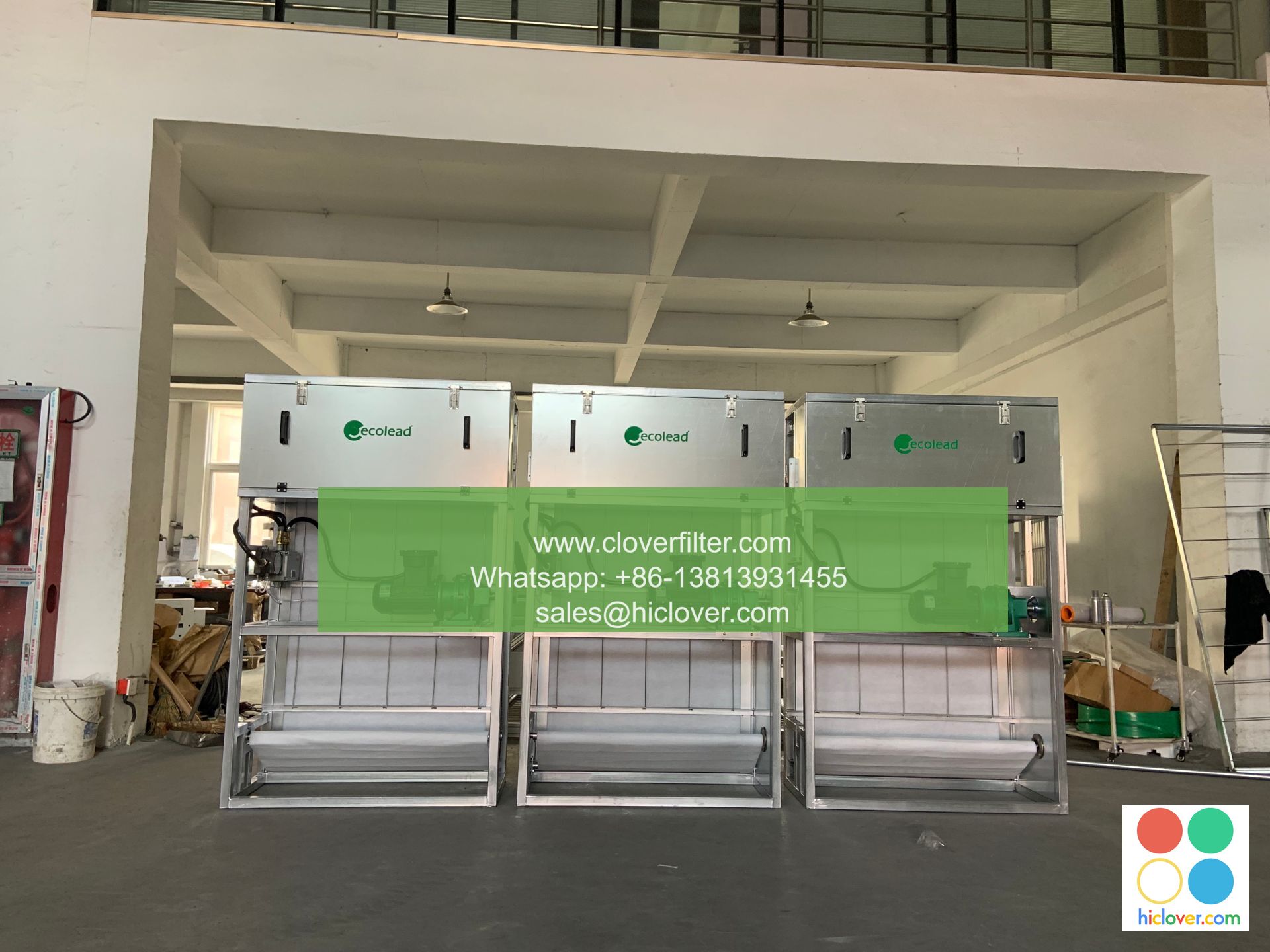
Predictions for the Next Decade
Based on current trends and industry developments, here are some predictions for the future of air filter innovation:
* Increased adoption of HEPA filters and ultrafine particle capture technology in residential and commercial applications.
* Growing demand for smart air filtration systems that integrate AI, IoT, and data analytics to optimize performance and energy efficiency.
* Emergence of new materials and technologies, such as graphene-based air filters and bio-inspired filtration systems, that offer improved performance and sustainability.
* Stricter regulations and standards for air filtration systems, driving the development of more effective and efficient technologies.
In conclusion, the future of air filter innovation holds much promise, with emerging trends and predictions expected to transform the industry over the next decade. As the demand for clean air and sustainable solutions continues to grow, manufacturers and researchers must work together to develop innovative air filtration systems that meet the needs of various application areas and promote a healthier, more sustainable future. By highlighting various key trends and application areas, we can better understand the complexities of air filter innovation and work towards creating a better tomorrow. Prompt
