The Future of Air Filter Materials: Trends to Watch
Key Takeaways:
- Innovative air filter materials are evolving to enhance efficiency.
- Automatic Roll Air Filters can significantly reduce maintenance efforts.
- Understanding airflow ranges and control options is crucial for system performance.
- Compliance with industry standards like ISO 16890 and MERV is essential for quality assurance.
- Real-world applications demonstrate the versatility of air filter materials across various industries.
- Common installation mistakes can lead to system inefficiencies; knowledge is key.
- CloverFilter provides advanced solutions tailored for specific industrial needs.
- Airflow Range: Assess the required airflow for the facility to ensure adequate filtration.
- Face Velocity: Determine the acceptable speed of air passing through the filter to optimize efficiency without creating excessive pressure drops.
- Media Width/Length: Choose dimensions that accommodate your specific installation requirements.
- Frame Size: Ensure the frame fits standard AHU dimensions for easy replacement.
- Control Options: Select filters with adjustable settings for pressure monitoring and maintenance alerts.
- Power Supply: Verify compatibility with existing systems, especially in automated setups.
- Installation Location: Decide whether the filter will be placed at the fresh air intake, return, or processing end to ensure effective operation.
- Neglecting Specifications: Always verify compatibility with manufacturer specifications.
- Improper Installation: Ensure correct fitting to avoid bypass leaks.
- Ignoring Maintenance Alerts: Follow maintenance schedules to maintain efficiency.
- Overlooking Airflow Needs: Match filter capacity to expected airflow for optimal performance.
- Choosing the Wrong Filter Type: Assess the specific application requirements before selecting.
- Failing to Clean AHU Components: Regularly inspect and clean connected components for improved performance.
- Not Evaluating Differential Pressure: Monitor pressure differences to avoid inefficient operation.
- Skimping on Quality: Prioritize high-quality materials over low-cost alternatives.
- Overloading Filters: Replace filters as required to prevent overburdening.
- Inadequate Training for Staff: Ensure personnel understand the filtration system thoroughly.

The Evolution of Air Filter Materials
In recent years, the industrial landscape has seen remarkable advancements in air filter materials. As industries seek to improve air quality while optimizing energy efficiency, new materials and designs emerge. Notably, Automatic Roll Air Filters are leading the charge in this evolution, offering unique features that streamline operations.
Air filter materials play a vital role in mitigating particulate matter and ensuring compliance with stringent air quality standards. Innovations in these materials aim to enhance filtration capabilities and reduce operational costs across various sectors like data centers, cleanrooms, and manufacturing facilities.
Understanding Automatic Roll Air Filters
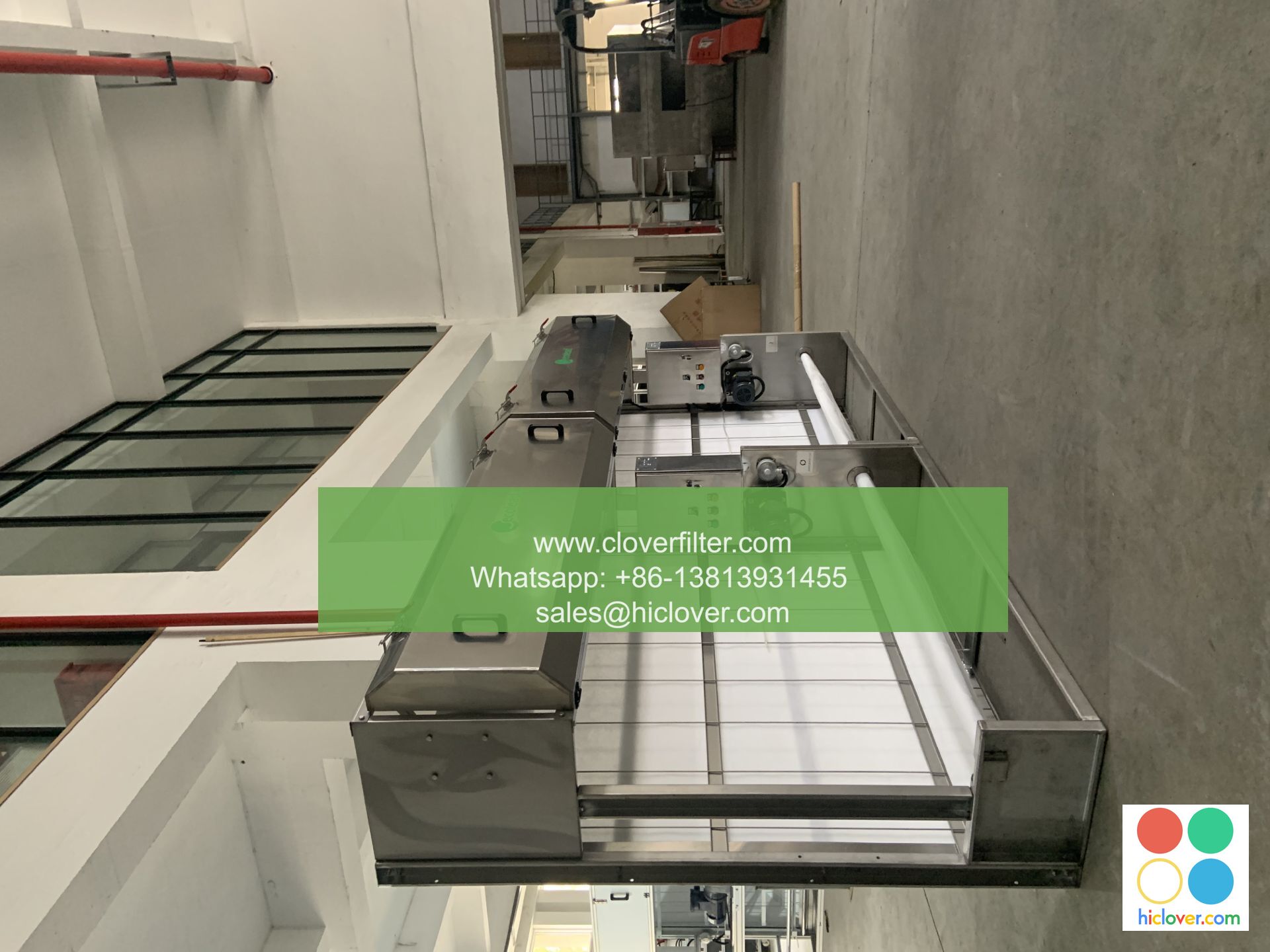
An Automatic Roll Air Filter is a sophisticated solution designed for efficient filtration and ease of maintenance. These filters feature roll media that advances automatically based on a differential pressure trigger, ensuring that the air quality remains consistent without constant manual intervention. The filter operates in timer mode, automatically advancing the media to replace the used portion with fresh material, optimizing performance during peak operational hours.
Where do these filters fit into HVAC or Air Handling Unit (AHU) systems? Automatic Roll Air Filters are ideally suited for locations like fresh air intakes, where maintaining low differential pressure is critical to efficient HVAC operation. By automatically managing the air passage through precisely engineered materials, they offer substantial advantages over traditional filters.
Selection Guide for Air Filter Materials
When choosing air filter materials like Automatic Roll Filters, consider the following factors for optimal performance:
Comparison of Air Filter Types
| Filter Type | Best Use Case | Maintenance | Pressure Drop Behavior | Operating Cost | Typical Risk/Downside |
|---|---|---|---|---|---|
| Automatic Roll Air Filter | High-efficiency environments | Low | Stable | Moderate to Low | Complexity in initial setup |
| Bag Filter | General industrial use | Moderate | Moderate | Moderate | Replacement frequency |
| Panel Filter | Residential or low dust | High | Variable | Low | Limited lifespan |
| V-bank | Space-constrained areas | Low | Variable | Moderate | Performance degradation over time |
The Automatic Roll Air Filter stands out due to its low maintenance and stable pressure drop behavior, minimizing operational costs while ensuring air quality.
Common Mistakes & How to Avoid Them
Real-World Scenarios
1. Data Center
In a large data center, maintaining optimal air quality is crucial for equipment longevity. Implementing Automatic Roll Air Filters ensured consistent airflow, significantly reducing the need for manual filter changes and enhancing energy efficiency.
2. Battery Factory
A lithium battery manufacturing facility faced stringent particulate control challenges. By utilizing CloverFilter’s Automatic Roll Air Filters, they achieved superior filtration performance while reducing maintenance frequency and operational costs.
3. Paint Shop
In a paint booth environment, the need for clean air is paramount to avoid contamination. The integration of these advanced filters not only improved air quality but also contributed to energy savings through efficient airflow management.
4. Textile/Steel/Cement Plant
In a steel and cement facility, the harsh environment demanded robust filtration systems. The Automatic Roll Filter reduced dust exposure significantly, resulting in lower maintenance needs and improved equipment efficiency.
Frequently Asked Questions
Q1: What is the lifespan of an Automatic Roll Air Filter?
A1: Lifespan varies based on usage and environment but generally offers significant durability and performance longevity compared to traditional filters.
Q2: Can I use these filters for all HVAC systems?
A2: While they are versatile, always check compatibility with existing HVAC structures to optimize function.
Q3: How often should I change the filter media?
A3: Frequency depends on usage and air quality; however, the Automatic Roll Air Filter typically extends intervals due to its advanced design.
Q4: Are Automatic Roll Filters energy efficient?
A4: Yes, they are designed to maintain lower pressure drops, leading to overall energy savings in HVAC systems.
Q5: Do these filters comply with industry standards?
A5: While many comply with general frameworks like ISO 16890 and MERV, specific certifications are available upon request.
Q6: How can I monitor filter health?
A6: Most Automatic Roll Filters come with built-in differential pressure monitors that alert users when maintenance is due.
In summary, the future of air filter materials is paving the way for enhanced efficiency and reduced operational costs. CloverFilter remains at the forefront of this innovation, providing solutions that cater to diverse industrial needs. For more information or to discuss specific requirements, visit us at CloverFilter.
Meta Description: Discover the trends shaping the future of air filter materials, focusing on Automatic Roll Air Filters and their industry advantages. Explore now!
It looks like you entered just “Prompt.” Could you please provide more context or elaborate on what you’re looking for? Whether it’s a creative writing prompt, a question, or something else, I’d be happy to help!
