The Future of Air Filters: Emerging Technologies
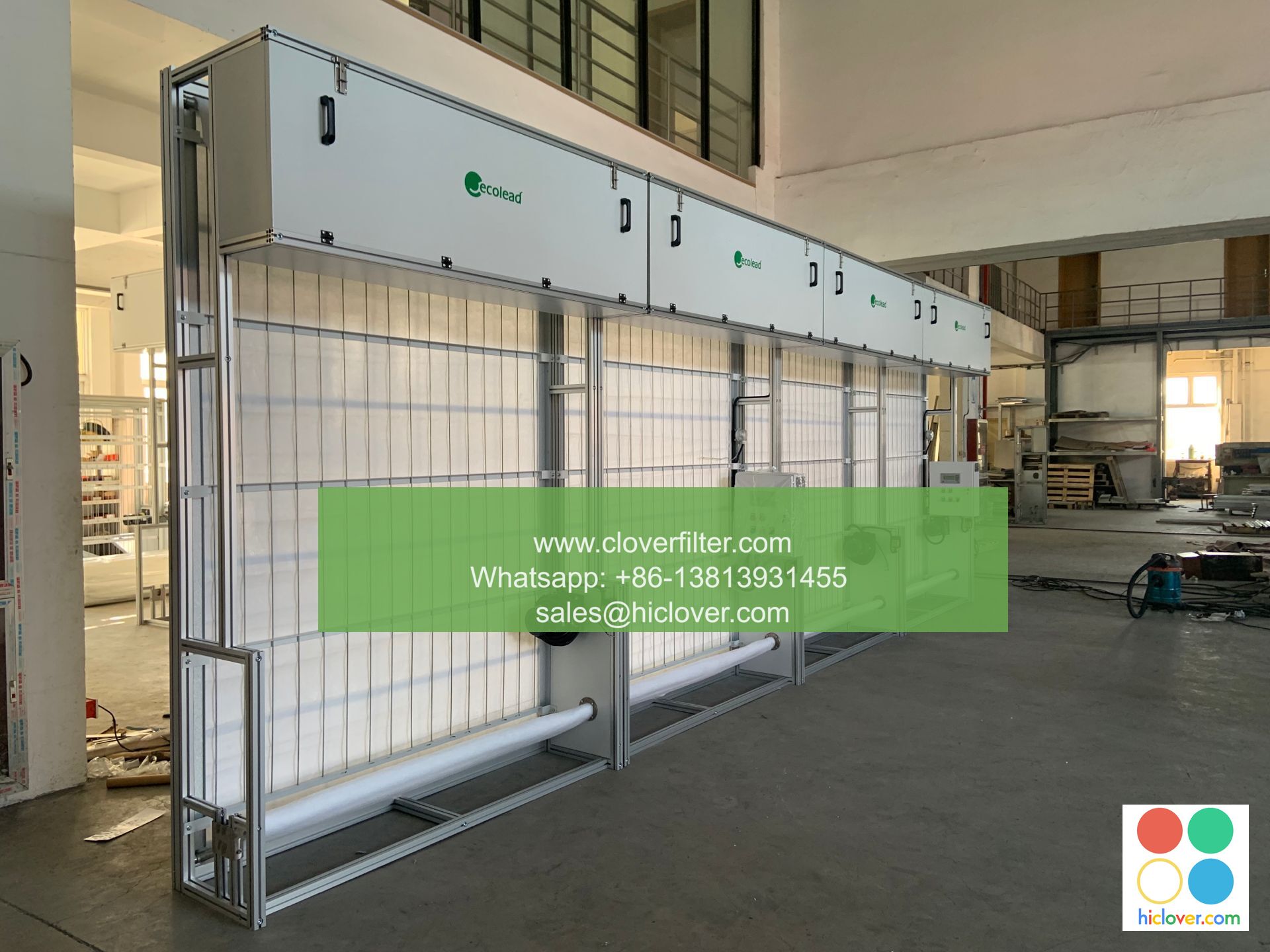
The air we breathe has a significant impact on our health and wellbeing. As concerns about indoor air quality and air pollution continue to grow, the demand for effective air filtration systems is on the rise. In this article, we will explore the emerging technologies that are shaping the future of air filters, and highlight various application areas where these technologies are being used.
Advancements in Filtration Materials
Researchers are developing new filtration materials that are more efficient, durable, and sustainable. Some of the emerging materials include nanofibers, graphene, and biomimetic membranes. These materials have the potential to capture ultrafine particles, volatile organic compounds (VOCs), and other harmful pollutants with greater precision and accuracy.
Applications in HVAC Systems
The heating, ventilation, and air conditioning (HVAC) industry is one of the largest consumers of air filters. Emerging technologies such as smart air filters and self-cleaning filters are being integrated into HVAC systems to improve indoor air quality and reduce energy consumption. These filters can detect and respond to changes in air quality in real-time, making them more efficient and effective.
Electrostatic Precipitation and Ionization
Electrostatic precipitation and ionization are two emerging technologies that are being used to improve air filtration. These technologies use electrostatic charges to attract and capture particles and pollutants, making them more efficient and effective than traditional air filters. Electrostatic air purifiers are being used in a variety of application areas, including residential, commercial, and industrial settings.

Applications in Transportation
The transportation industry is another area where air filters are being used to improve air quality. Cabin air filters are being used in vehicles to remove pollutants and odors from the air, improving driver comfort and passenger health. Emerging technologies such as nanofiber filters and ionization systems are being integrated into vehicle air filtration systems to improve their effectiveness.
Biotechnology and Microbial Air Quality
Biotechnology is being used to develop new air filtration systems that can capture and eliminate microbial pollutants. Microbial air quality is a growing concern, particularly in healthcare settings where hospital-acquired infections are a major issue. Emerging technologies such as bioreactors and microbial filters are being used to improve air quality and reduce the risk of infections.
Applications in Healthcare
The healthcare industry is one of the most critical application areas for air filters. Hospital air filtration systems are being designed to capture and eliminate microbial pollutants, viruses, and other harmful pathogens. Emerging technologies such as UV light disinfection and nanofiber filters are being used to improve air quality and reduce the risk of infections in healthcare settings.
In conclusion, the future of air filters is exciting and rapidly evolving. Emerging technologies such as nanofibers, graphene, and biomimetic membranes are being used to develop more efficient, durable, and sustainable air filtration systems. These technologies have a wide range of application areas, including HVAC systems, transportation, healthcare, and industrial settings. As concerns about indoor air quality and air pollution continue to grow, the demand for effective air filtration systems will only continue to increase. I’m ready when you are. What would you like to talk about or ask?
