The Future of Air Filtration: Air Filter Organizations’ Research and Development Initiatives for Emerging Technologies
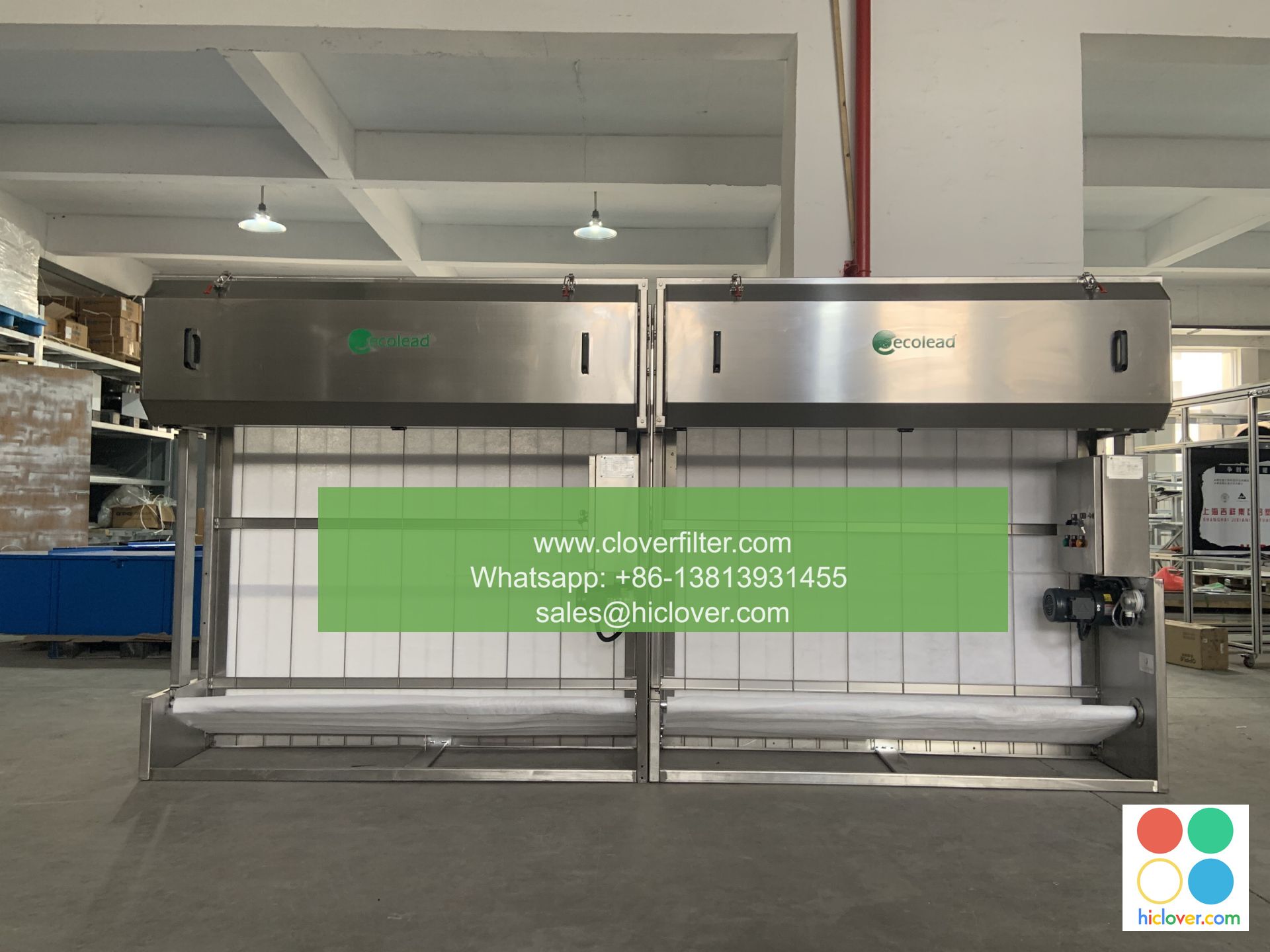
As global air quality concerns continue to rise, air filtration technologies have become paramount in protecting public health and enhancing indoor environments. Air filter organizations are at the forefront of research and development (R&D) initiatives aimed at emerging technologies that promise to revolutionize the effectiveness and efficiency of air filtration systems. This article explores the future of air filtration, highlighting various application areas and the cutting-edge innovations currently in development.
The Importance of Air Filtration in Today’s World

Air pollution is a growing concern, linked to several health issues such as respiratory diseases, cardiovascular problems, and even cognitive decline. Consequently, effective air filtration solutions are essential in numerous settings, including homes, offices, hospitals, and industrial environments. As the awareness of air quality increases, so does the demand for advanced air purification technologies.
Key Trends in Air Filtration Technology
1. Nanotechnology in Air Filters
One of the most promising avenues in air filter R&D is the use of nanotechnology. Air filter organizations are investing in materials engineered at the nanoscale to enhance filtration performance. These filters can trap smaller particles, including viruses and bacteria, providing cleaner air with higher efficiency.
2. Biodegradable and Eco-Friendly Filters
Sustainability is a critical concern in today’s technological landscape. Air filter organizations are developing biodegradable filters that can significantly reduce waste. These innovative materials not only provide excellent filtration but also align with global sustainability goals, ensuring that air quality solutions do not contribute to environmental degradation.
3. Smart Air Filtration Systems
With the rise of the Internet of Things (IoT), smart air filtration systems are becoming increasingly popular. These systems leverage real-time data to monitor air quality and adjust filtration levels accordingly. Air filter organizations are developing filters equipped with sensors that communicate with home automation systems, ensuring optimal performance and energy efficiency.
Application Areas for Future Air Filtration Technologies
1. Residential Air Purification
In homes, the demand for efficient air purification technologies is growing, especially in urban areas with high pollution levels. Innovations in air filters, such as HEPA (High-Efficiency Particulate Air) and activated carbon filters, are being integrated with smart home systems to provide families with clean and safe indoor air.
2. Healthcare Facilities
Hospitals and clinics require air filtration solutions that can mitigate the risk of airborne infections. Advanced filtration technologies, such as UV-C light combined with HEPA filters, are being developed to enhance the safety of healthcare environments.
3. Commercial Spaces
Office buildings and commercial spaces are increasingly investing in better air quality solutions. The focus on employee health has led to the adoption of air filters that not only capture pollutants but also improve overall employee well-being and productivity.
4. Industrial Applications
Manufacturing facilities often face challenges related to airborne contaminants and particulate matter. Customized industrial air filtration systems are being designed to cope with specific production environments, ensuring compliance with strict air quality regulations while protecting workers.
Research and Development Initiatives
Collaboration with Tech Companies
Air filter organizations are also collaborating with tech companies to leverage advancements in data analytics and machine learning. These partnerships aim to develop predictive filters that can anticipate air quality changes and optimize filter performance accordingly.
Government and Environmental Agency Support
Support from government organizations and environmental agencies has spurred innovation in the air filtration sector. Grants and incentives are now available for research initiatives focused on developing sustainable and efficient filtration technologies.
Conclusion
The future of air filtration is bright, driven by innovative research and development initiatives. As air filter organizations strive towards enhanced efficiency, sustainability, and integration of smart technologies, we can expect significant advancements that will transform how we approach air quality. In an era where clean air is increasingly critical to health and well-being, these emerging technologies present promising solutions for various application areas, ensuring that air filtration systems can meet the needs of tomorrow.
By prioritizing research and development, the air filtration industry contributes not only to the preservation of public health but also to a sustainable future for our planet.
It looks like you might want a writing prompt or perhaps something specific related to a prompt. Could you please clarify or provide more details about what you’re looking for?
