The Future of Air Filtration Technology: St. John’s Hospital’s Automatic Roll Air Filter System
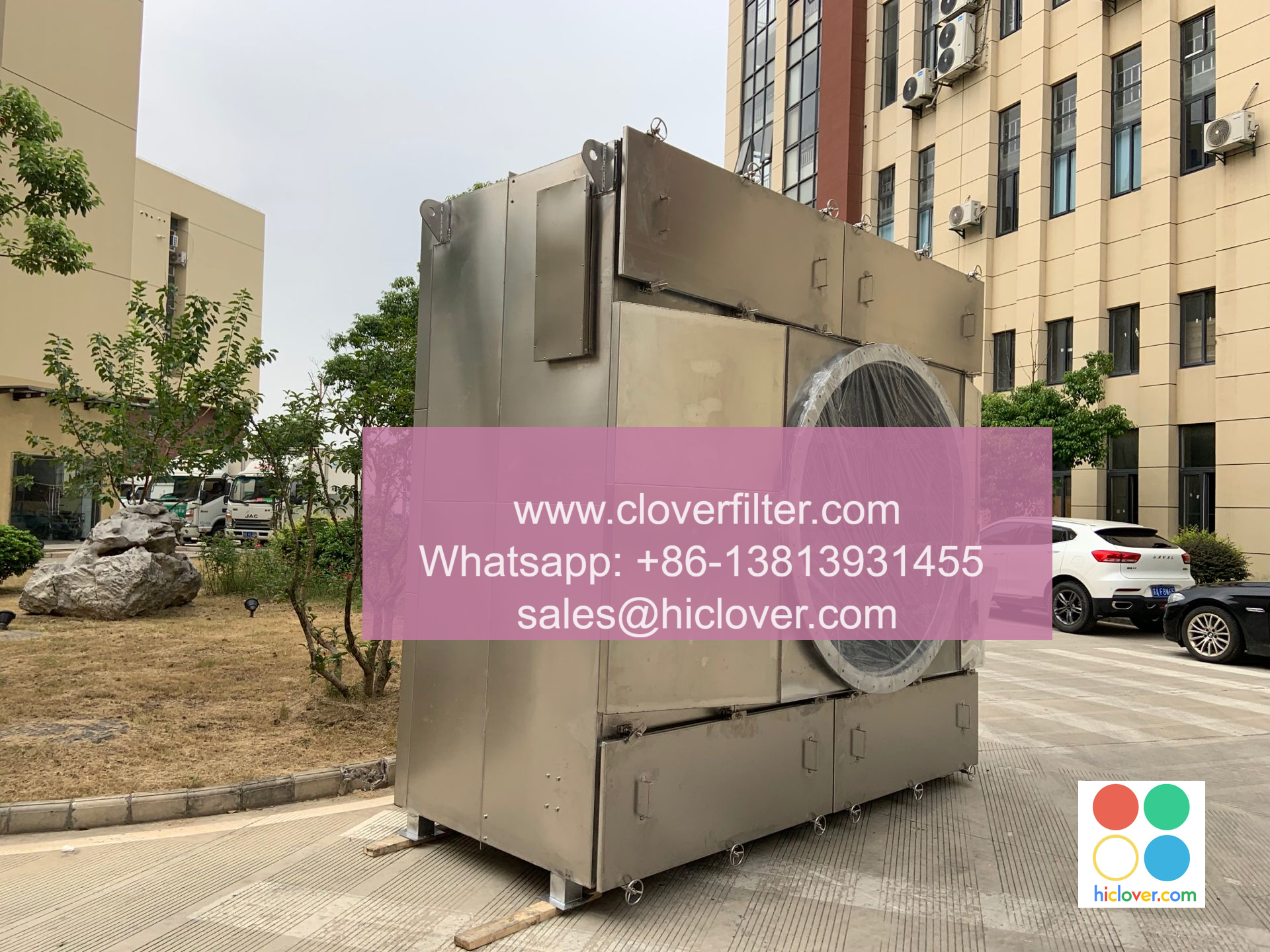
In the wake of global health concerns and increased awareness of indoor air quality, the future of air filtration technology has never looked brighter. St. John’s Hospital has emerged as a pioneer in this field with its innovative Automatic Roll Air Filter System. This state-of-the-art system is designed to provide optimal air quality while simultaneously ensuring energy efficiency and sustainability. In this article, we delve into the technology behind this remarkable innovation, its benefits, and its potential implications for the future of healthcare environments.
Understanding Air Filtration Technology
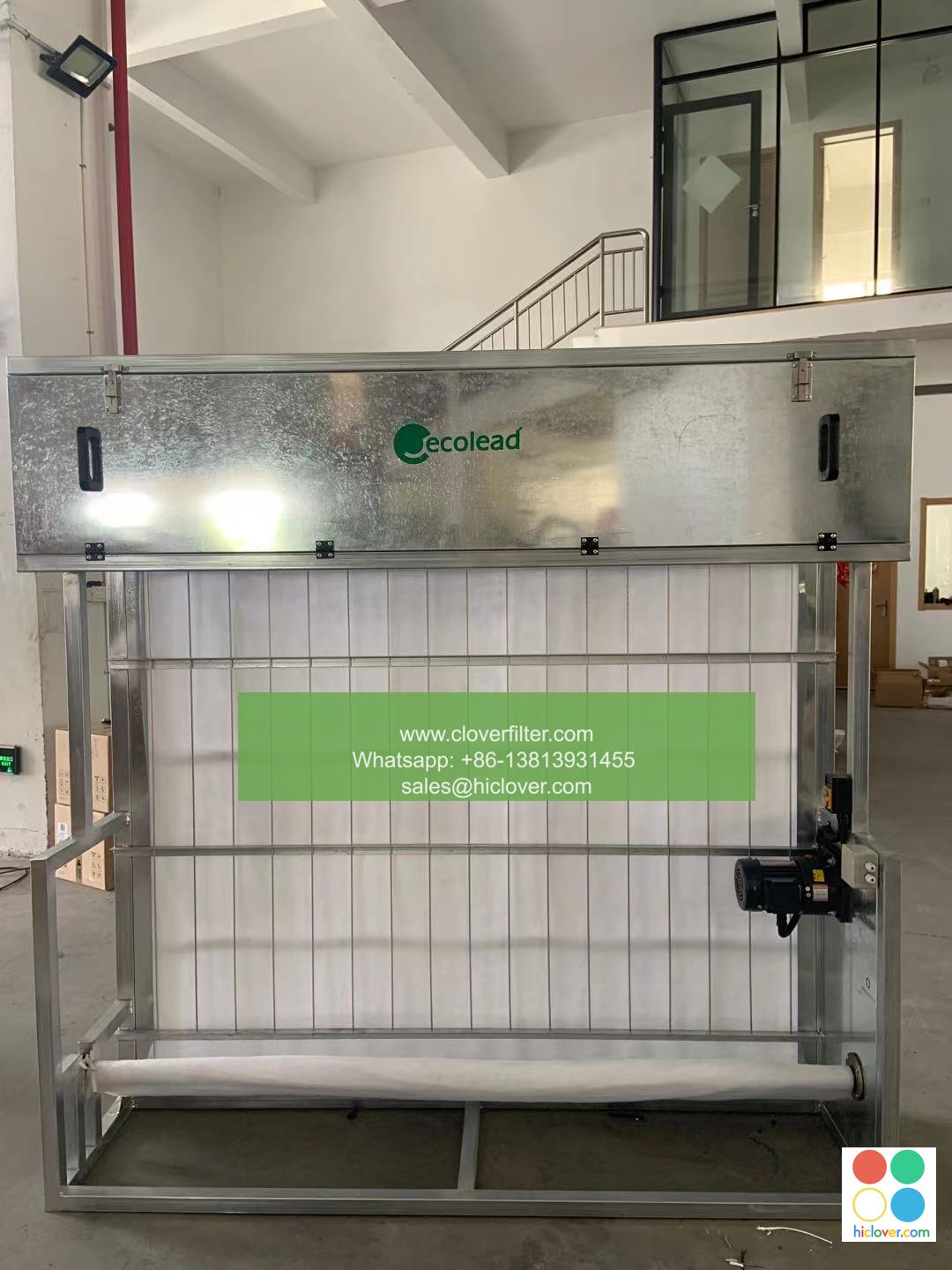
Air filtration technology has evolved significantly over the past few decades. Traditional air filters, while effective in removing particulates, often struggle with efficiency and maintenance. As demands on healthcare facilities rise, so does the need for advanced solutions that can cope with ever-changing air quality standards. St. John’s Hospital’s Automatic Roll Air Filter System represents a critical advancement in meeting these challenges.
Features of the Automatic Roll Air Filter System
The Automatic Roll Air Filter System at St. John’s Hospital is characterized by its design and functionality:
- Self-Replacement Mechanism: The system utilizes a roll of filter material that automatically feeds into the filtration unit, eliminating the need for manual filter changes.
- Advanced Filtration: Made from high-efficiency particulate air (HEPA) material, this filter system captures 99.97% of particles as small as 0.3 microns, including dust, allergens, and viral pathogens.
- Smart Sensors: Integrated sensors monitor air quality in real-time, adjusting filtration levels based on the current environmental conditions.
- Energy Efficiency: The system is designed to minimize energy consumption, optimizing airflow and reducing strain on HVAC systems.
- Enhanced Patient Safety: With improved air quality, the risk of hospital-acquired infections (HAIs) decreases, making it a safer environment for patients.
- Cost-Effectiveness: By reducing manual labor for filter replacements and enhancing energy efficiency, the hospital can lower operational costs over time.
- Improved Staff Well-being: Clean air contributes to a healthier workplace, benefiting healthcare workers who are exposed to various airborne contaminants daily.
Benefits for Healthcare Facilities
The implementation of the Automatic Roll Air Filter System at St. John’s Hospital offers numerous advantages:
Looking Ahead: The Future of Air Filtration Technology
The advancements at St. John’s Hospital reflect a broader trend in the healthcare sector towards more intelligent and adaptive technology. As air quality becomes increasingly essential for health and well-being, the demand for sophisticated filtration systems will continue to grow. This development is likely to pave the way for further innovations, including the integration of AI and machine learning to predict and respond to air quality changes instantaneously.
Conclusion
The Automatic Roll Air Filter System at St. John’s Hospital is more than just a technological marvel—it represents a significant shift in how we approach air quality in healthcare environments. As hospitals and healthcare providers worldwide look to improve their air filtration systems, the innovations adopted by St. John’s may serve as a blueprint for future implementations. The importance of clean, safe air cannot be overstated, especially in settings where vulnerable populations are treated. Embracing advanced air filtration technology will not only enhance public health outcomes but also foster a culture of sustainability and innovation within the healthcare sector.
FAQs
1. How often do the filters need to be replaced in the Automatic Roll Air Filter System?
The system is designed to operate continuously with its automatic roll, which feeds fresh filter material as it is needed, significantly reducing the frequency and complexity of manual changes.
2. Is the Automatic Roll Air Filter System compatible with existing HVAC systems?
Yes, the system is engineered to be compatible with most existing HVAC systems, allowing for straightforward implementation without requiring complete overhauls of existing infrastructure.
3. Can the air quality sensors detect a range of airborne pollutants?
Yes, the sensors are equipped to monitor various airborne contaminants, adjusting filtration in real-time to ensure optimal air quality.
4. What are the long-term cost benefits of installing this air filter system?
By reducing energy consumption and minimizing manual labor costs associated with filter changes, hospitals can expect significant savings over time, making the initial investment worthwhile.
