The Future of Air Purification: Emerging Trends in Air Filter Technology
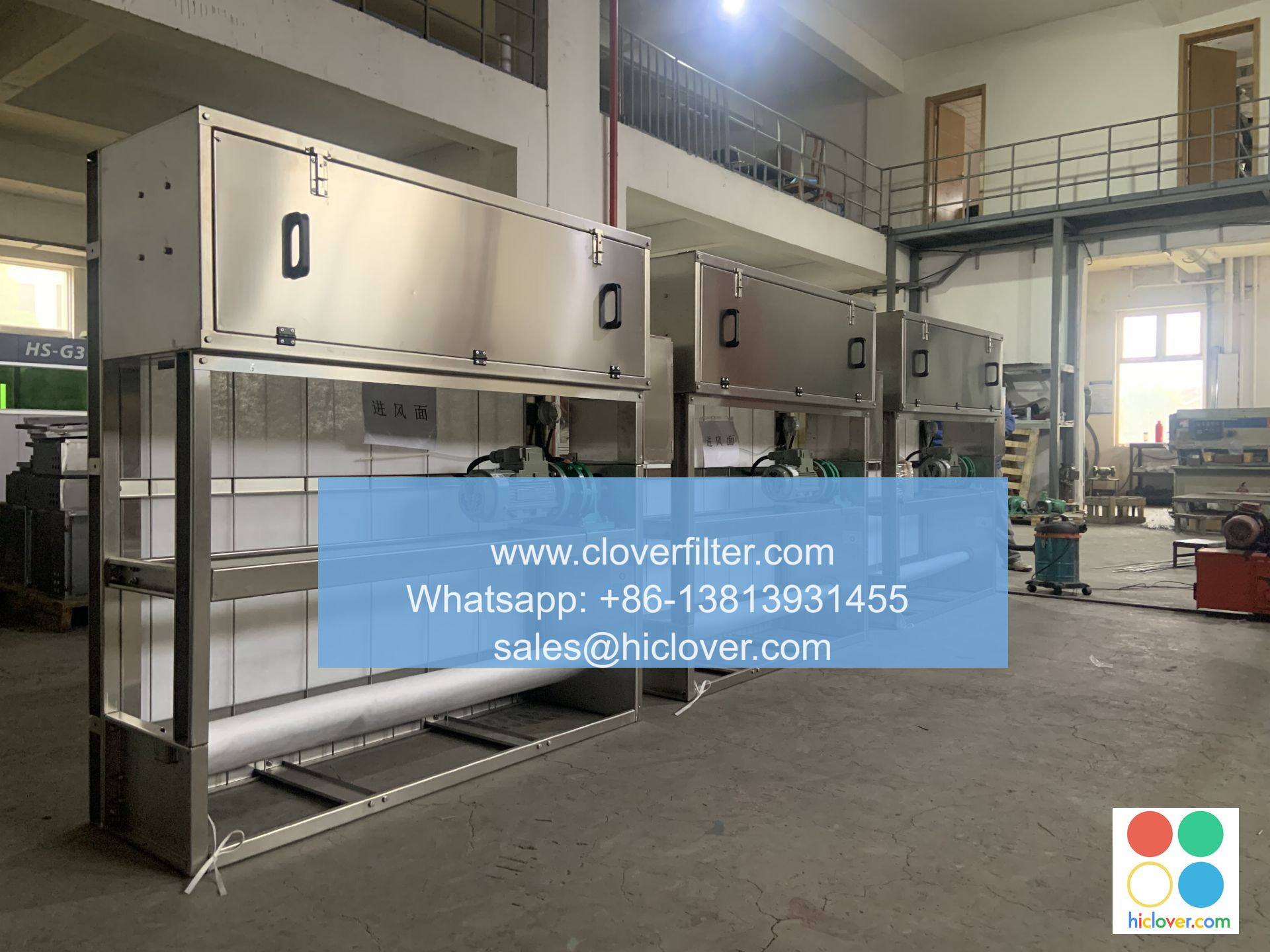
As the world grapples with the challenges of indoor air pollution and airborne diseases, the importance of air purification systems has become more evident than ever. The air filter technology industry is witnessing a significant transformation, driven by advancements in nanotechnology, artificial intelligence, and Internet of Things (IoT). In this article, we will explore the emerging trends in air filter technology and their applications in various fields.
Advancements in Filter Media
The traditional HEPA filters have been the gold standard for air purification, but new filter media are being developed to improve efficiency and effectiveness. Nanofiber filters and graphene-based filters are showing great promise in capturing ultrafine particles and volatile organic compounds (VOCs). These advancements are crucial for applications in hospitals, industrial facilities, and residential areas where indoor air quality is a major concern.
Integration of Artificial Intelligence and IoT
The integration of artificial intelligence (AI) and Internet of Things (IoT) is revolutionizing the air purification industry. Smart air purifiers can now detect and adapt to changing indoor air quality conditions, optimizing their performance and energy consumption. This technology is also enabling remote monitoring and real-time feedback, making it easier to maintain and improve air purification systems. The applications of AI-powered air purifiers are vast, ranging from commercial offices to domestic environments.
Applications in Various Industries
The emerging trends in air filter technology have far-reaching implications for various industries, including:
* Healthcare: Advanced air purification systems are being used to prevent the spread of airborne diseases in hospitals and healthcare facilities.
* Manufacturing: Industrial air purifiers are being used to improve indoor air quality and reduce the risks associated with occupational exposure to hazardous airborne pollutants.
* Aerospace: Air purification systems are being developed for use in aircraft cabins and spacecraft to maintain a healthy and safe environment for passengers and crew.
* Residential: Home air purifiers are becoming increasingly popular as people become more aware of the importance of indoor air quality and its impact on health and wellbeing.

Sustainability and Energy Efficiency
As the world shifts towards a more sustainable and energy-efficient future, the air purification industry is also adapting to these trends. Energy-efficient air purifiers are being developed, using advanced technologies such as nanotechnology and membrane technology to reduce energy consumption while maintaining or improving performance.
Conclusion
The future of air purification is exciting and rapidly evolving, driven by advancements in filter media, artificial intelligence, and Internet of Things (IoT). As the industry continues to innovate and improve, we can expect to see more effective and efficient air purification systems that can be applied in various fields, from healthcare to residential environments. With the increasing awareness of the importance of indoor air quality and its impact on health and wellbeing, the demand for advanced air purification systems is likely to grow, driving further innovation and development in this critical field. It looks like you’re ready to start, but I don’t see a specific prompt. Please go ahead and provide the prompt, question, or topic you’d like to discuss, and I’ll do my best to help!
